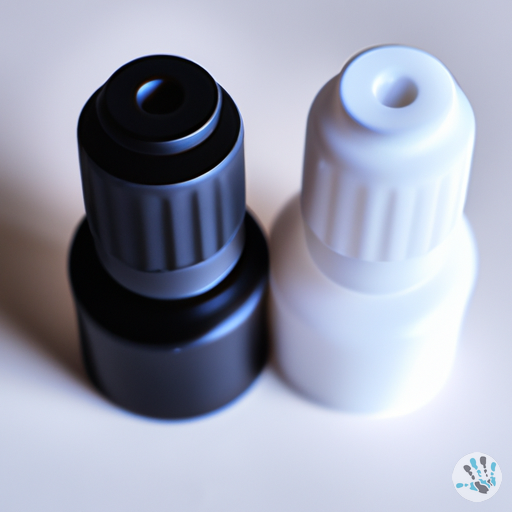
How do I prevent rubber teats for droppers from reacting with liquid pesticides?
Introduction
Rubber teats for droppers are a common tool used in the application of liquid pesticides. However, it is important to take precautions to prevent the rubber teats from reacting with the liquid pesticides, as this can cause damage to the rubber teats and potentially lead to contamination of the pesticide. In this article, we will discuss the steps that can be taken to prevent rubber teats from reacting with liquid pesticides. We will discuss the importance of using the correct type of rubber teats, proper storage and handling of the rubber teats, and the use of protective coatings. We will also discuss the potential risks associated with using rubber teats for droppers and how to minimize these risks.
How to Choose the Right Rubber Teat for Your Dropper to Avoid Reactions with Liquid Pesticides
When it comes to using liquid pesticides, it’s important to make sure you’re using the right rubber teat for your dropper. The wrong teat can cause a reaction with the liquid pesticide, which can be dangerous and damaging. Here’s how to choose the right rubber teat for your dropper.
First, make sure you’re using a rubber teat that’s specifically designed for use with liquid pesticides. This will ensure that the teat is made of a material that won’t react with the pesticide.
Next, check the size of the teat. It should fit snugly in the dropper, but not too tightly. If it’s too tight, it can cause a reaction with the liquid pesticide.
Finally, make sure the teat is made of a material that won’t degrade over time. Some materials, such as latex, can break down when exposed to certain chemicals. This can cause a reaction with the liquid pesticide.
By following these tips, you can make sure you’re using the right rubber teat for your dropper and avoid any reactions with liquid pesticides.
The Benefits of Using Non-Reactive Rubber Teats for Droppers When Handling Liquid Pesticides
If you’re a farmer or gardener, you know that liquid pesticides are an important part of keeping your crops healthy and free from pests. But when it comes to handling these liquids, it’s important to use the right tools to ensure safety and accuracy. That’s why many farmers and gardeners are turning to non-reactive rubber teats for droppers when handling liquid pesticides.
Non-reactive rubber teats are made from a special type of rubber that won’t react with the chemicals in the liquid pesticides. This means that the rubber won’t break down or become brittle over time, which can be a problem with other materials. The rubber also won’t absorb any of the liquid, so you don’t have to worry about contamination.
Using non-reactive rubber teats for droppers also helps to ensure accuracy when measuring out the liquid pesticides. The rubber teats are designed to be easy to grip and control, so you can be sure that you’re getting the right amount of pesticide every time. This helps to reduce waste and ensure that your crops are getting the right amount of protection.
Finally, non-reactive rubber teats for droppers are also much safer to use than other materials. The rubber is non-toxic and won’t cause any skin irritation, so you don’t have to worry about coming into contact with the liquid pesticides. This makes them a great choice for anyone who needs to handle liquid pesticides on a regular basis.
Overall, non-reactive rubber teats for droppers are a great choice for anyone who needs to handle liquid pesticides. They’re safe, accurate, and won’t break down over time. So if you’re looking for a reliable way to measure out liquid pesticides, non-reactive rubber teats are the way to go.
Tips for Ensuring Your Rubber Teats for Droppers Don’t React with Liquid Pesticides
If you’re using rubber teats for droppers to apply liquid pesticides, it’s important to make sure that the rubber teats don’t react with the liquid pesticides. Here are some tips to help you ensure that your rubber teats don’t react with the liquid pesticides:
1. Choose the right rubber teats. Make sure that the rubber teats you’re using are specifically designed for use with liquid pesticides. This will help to ensure that the rubber teats won’t react with the liquid pesticides.
2. Clean the rubber teats regularly. Make sure to clean the rubber teats after each use to remove any residue that may have been left behind. This will help to prevent any reactions between the rubber teats and the liquid pesticides.
3. Store the rubber teats properly. Make sure to store the rubber teats in a cool, dry place away from direct sunlight. This will help to prevent any reactions between the rubber teats and the liquid pesticides.
4. Inspect the rubber teats regularly. Make sure to inspect the rubber teats regularly for any signs of wear or damage. If you notice any signs of wear or damage, replace the rubber teats immediately.
Following these tips will help to ensure that your rubber teats don’t react with the liquid pesticides. This will help to ensure that your application of liquid pesticides is safe and effective.
Conclusion
To prevent rubber teats for droppers from reacting with liquid pesticides, it is important to use teats made from materials that are resistant to the chemicals in the pesticide. Additionally, it is important to regularly inspect the teats for signs of wear and tear and replace them as needed. Finally, it is important to store the teats in a cool, dry place away from direct sunlight and other sources of heat. By following these steps, you can ensure that your rubber teats for droppers remain safe and effective for use with liquid pesticides.