Droppers: A Comprehensive Guide to Choosing the Right One for Your Needs
In the world of liquid dispensing, kapaljke have become an essential tool across various industries. Whether you’re dealing with essential oils, pharmaceuticals, laboratory solutions, or cosmetic products, selecting the right dropper can make a significant difference in precision, quality, and ease of use. This article will dive into everything you need to know about droppers, focusing on their types, uses, materials, and how to choose the best one for your specific needs.
What Are Droppers?
Droppers are small devices designed to measure and dispense liquids in controlled, small amounts. These devices typically consist of a narrow tube with a squeezable bulb at the top, allowing the user to easily draw liquid into the tube and dispense it in precise quantities.
Droppers are most commonly used in pharmaceuticals, laboratories, cosmetics, and essential oils. They provide a reliable and consistent method for liquid transfer, making them indispensable in scenarios where precision is critical.
Types of Droppers
There are various types of droppers available, each designed for specific uses. Understanding the different types can help you choose the one that’s right for your needs.
1. Standard Glass Droppers
Glass droppers are a popular choice for dispensing liquids like essential oils, chemicals, or tinctures. Glass is non-reactive, meaning it won’t interfere with the liquid’s chemical composition. These droppers are easy to clean, reusable, and ideal for applications where sterility is important.
2. Plastic Droppers
Plastic droppers are disposable, making them ideal for single-use applications like medical treatments or laboratory experiments. They are lightweight and less likely to break compared to glass droppers, which makes them suitable for travel or situations where glass could be a hazard.
3. Graduated Droppers
These droppers feature measurement markings along the tube, allowing for more precise liquid dispensing. Graduated droppers are perfect for applications requiring exact dosages, such as in pharmaceuticals or laboratory settings.
4. Dropper Bottles
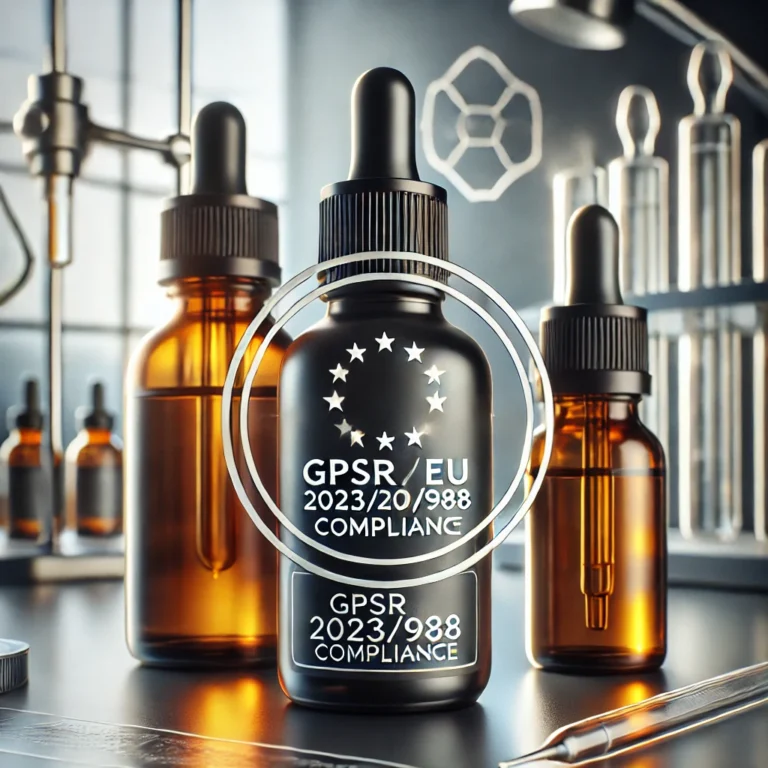
Often used in the cosmetics and skincare industry, dropper bottles feature a built-in dropper attached to the lid. This combination ensures ease of use, as the dropper is always ready for action. Commonly found in essential oil packaging, serums, and herbal tinctures, these droppers allow for easy, mess-free dispensing.
Materials of Droppers
The material of a dropper significantly impacts its durability, usability, and chemical compatibility. The three most common materials used in droppers are glass, plastic, and rubber.
- Glass Droppers: Glass droppers are chemically inert, meaning they won’t react with the liquid they hold. This makes them perfect for essential oils, chemicals, and pharmaceuticals. However, they can be fragile and prone to breakage.
- Plastic Droppers: These droppers are made from polypropylene or polyethylene, which are resistant to most chemicals. While they are cheaper and less likely to break, some chemicals may degrade plastic over time.
- Rubber Bulbs: Most droppers have rubber bulbs for squeezing the liquid in and out. Natural rubber is flexible and durable, but synthetic rubber, like silicone, can offer greater longevity and resistance to chemicals.
How to Choose the Right Dropper
Choosing the right dropper depends on the application, the type of liquid, and the level of precision required. Here are key factors to consider:
- Purpose: Consider the intended use of the dropper. For example, if you’re working with essential oils, glass droppers are best because of their chemical resistance. For one-time medical or laboratory use, disposable plastic droppers are more convenient.
- Volume: If you need to measure specific volumes of liquid, opt for a graduated dropper with measurement markings.
- Material Compatibility: Ensure the material of the dropper is compatible with the liquid you’re handling. Glass works well with most liquids, while certain chemicals may cause plastic to degrade.
- Dropper Bottle Design: For convenience, consider a dropper bottle where the dropper is built into the cap. This is ideal for frequent use with products like essential oils or tinctures.
Popular Uses for Droppers
- Essential Oils: Droppers are a must-have tool for essential oil users. They allow for precise control of how much oil is dispensed, especially when blending oils or creating DIY products.
- Pharmaceuticals: In medicine, droppers are used to deliver precise doses of liquid medications, especially for pediatric and geriatric patients.
- Laboratory Settings: In laboratories, droppers are used for dispensing reagents, solutions, and chemicals where precision is crucial.
- Cosmetics: From serums to facial oils, droppers help in applying the right amount of product to the skin without any wastage.
Conclusion
Choosing the right kapaljka is essential for ensuring accurate liquid dispensing in various applications. Whether you’re using it for essential oils, pharmaceuticals, or laboratory solutions, understanding the different types and materials will help you make the best choice. Remember to consider the liquid’s properties, the level of precision you need, and how often you plan to use the dropper.
By keeping these factors in mind, you can select a dropper that meets your needs and ensures a smooth, accurate dispensing experience.