Doseersluitingen voor DIN18-flessen: kies het formaat dat past bij het product
Een doseersluiting doet meer dan een fles afsluiten. Ze bepaalt hoeveel product eruit komt, waar het terechtkomt en hoe schoon de fles blijft tussen het eerste en het laatste gebruik. Voor een merk dat DIN18-glasflessen gebruikt, is het sluitingsformaat na de fles zelf vaak de belangrijkste verpakkingsbeslissing.
Deze gids vergelijkt de belangrijkste doseerformaten voor DIN18-halzen: druppelaars, roll-on-plugs, sprayers en eenvoudige plugs met een dop. Ook wordt besproken hoe u elk formaat afstemt op uw formule en uw vullijn.
Wat “doseersluiting” in de praktijk betekent
In B2B-verpakkingen omvat de term elke sluiting die het product op een gecontroleerde manier afgeeft in plaats van de fles simpelweg te openen. Bij een DIN18-glasfles betekent dat meestal een van de volgende vier:
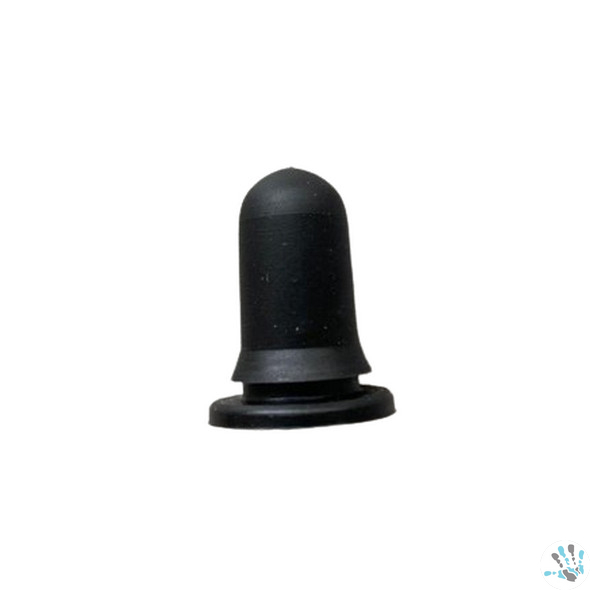
- Druppelmechanisme: een kraagje, een rubber of elastomeer pipetteerbolletje en een glazen pipet.
- Roll-on-set: een plug met een bolletje, plus een schroefdop.
- Sprayer: een pomp die op de DIN18-hals past en een nevel produceert.
- Orifice-plug met dop: een inzetstuk dat de opening beperkt en wordt afgesloten met een schroefdop.
Elk formaat bestaat uit meerdere onderdelen, dus de beslissing draait ook om de compatibiliteit tussen die onderdelen en de flessenhals. Als u hier nieuw in bent, toont onze bestaande gids over de DIN18 roll-on plug met transparante plug en witte PP-dop hoe een set als deze is opgebouwd.
De vier formaten vergeleken
| Formaat | Het meest geschikt voor | Doseercontrole | Belangrijkste aandachtspunt |
|---|---|---|---|
| Druppelaar | Oliën, tincturen, serums, vloeibare supplementen | Druppel voor druppel of vullen via pipet | Lengte van de pipet, materiaal van het pipetteerbolletje, viscositeit |
| Roll-on | Parfumoliën, aromamengsels, gerichte topische producten | Aanbrengen op het oppervlak, geen doseren | Pasvorm van bolletje en plug, vloeibaarheid van de formule |
| Sprayer | Dunne vloeistoffen, nevels, geuren | Per druk | Compatibiliteit met de vloeistof, lengte van het zuigbuisje |
| Plug met dop | Producten die in kleine hoeveelheden worden uitgegoten | Beperkt | Afmeting van de orifice, afdichting van de dop |
Druppelaars: de standaard voor oliën en serums
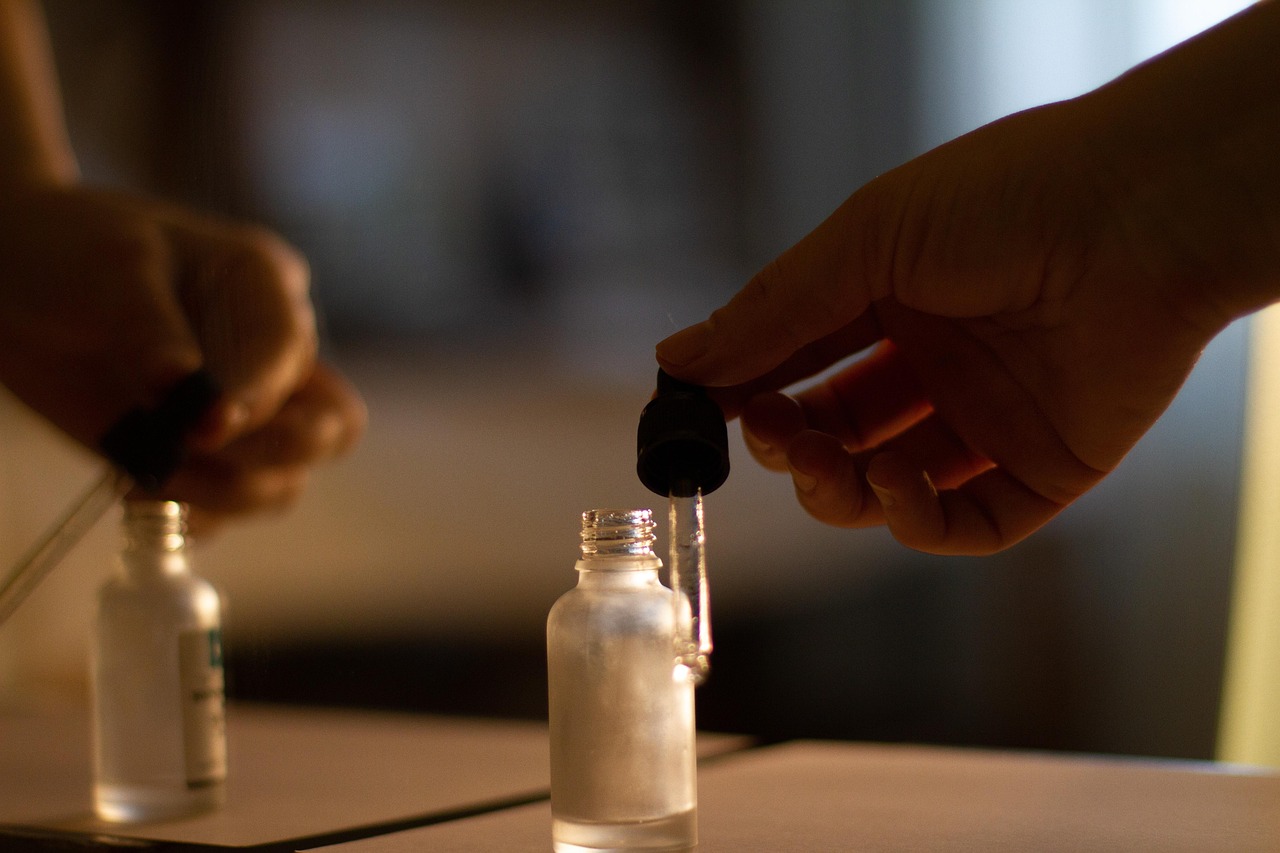
Druppelaars blijven de meest gekozen optie voor CBD-oliën, essentiële oliën, serums en vloeibare supplementen. De klant knijpt in het pipetteerbolletje, zuigt vloeistof op in de pipet en geeft die af waar nodig. Met een gegradueerde pipet kan hetzelfde onderdeel ook dienen als maathulpmiddel.
Drie keuzes bepalen het resultaat:
- Materiaal van de pipetrubber. Sommige formules, vooral die met essentiële oliën of sterke oplosmiddelen, werken anders op rubber. Test uw werkelijke vloeistof op het materiaal van het pipetteerbolletje voordat u een beslissing neemt.
- Lengte van de pipet. Die moet tot op de bodem van de fles reiken zonder er hard tegenaan te komen. Flesh hoogte en pipetlengte moeten op elkaar worden afgestemd, niet worden geschat.
- Kraagje en breukbeveiliging. Aluminium, kunststof en houten kraagjes veranderen allemaal het uiterlijk. Breukbeveiligde ringen zijn gebruikelijk voor producten die aan consumenten worden verkocht. Zie onze druppelaars met garantiesluiting voor gemonteerde opties.

Roll-ons: product aanbrengen zonder te doseren
Een roll-on-set vervangt de druppelaar door een bolletje dat in een plug zit. De gebruiker rolt het product direct op de huid, dus er is geen pipet om te vullen en geen restant op een pipetteerbolletje. Het is geschikt voor dunne tot middelzware vloeistoffen, zoals parfumoliën en aromamengsels.
Voor DIN18-flessen gebruikt de set uit ons assortiment een roestvrijstalen bolletje in een transparante plug, met een PP-schroefdop. De dop is verkrijgbaar in zwart of wit, wat het makkelijk maakt om af te stemmen op de rest van uw lijn. De dop is niet breukbeveiligd; als u die eigenschap nodig heeft, overweeg dan een overwrap, een zegel of een andere sluiting.
Roll-ons doseren niets. Als de klant een precieze hoeveelheid nodig heeft, is een druppelaar de betere keuze.
Sprayers: voor dunne vloeistoffen en gelijkmatige bedekking
Een sprayer is het juiste hulpmiddel wanneer u een oppervlak wilt bedekken of een nevel wilt creëren. Het werkt het best met vloeistoffen met lage viscositeit. Dikke oliën hebben de neiging te verstoppen of ongelijkmatig te spuiten, en sommige formules kunnen bepaalde pompmaterialen aantasten.
Controleer voor het bestellen of de pomp op de DIN18-hals past, of het zuigbuisje tot op de bodem van uw fles reikt en of uw formule compatibel is met de onderdelen van de pomp. U kunt het FineMist-sprayers to see the fit options.
Plugs with caps: simple and flexible
An orifice plug with a screw cap is the most basic dispensing closure. It limits the opening so the liquid pours in small amounts and the cap does the sealing. It works for products that do not need a pipette or a ball, and it keeps the part count low.
The limitation is dose accuracy. You get less control than with a graduated pipette, and the pour depends on how the user tips the bottle. It is a practical choice for products where precision is not the point.
How to choose: five questions
- How thick is the liquid? Viscosity decides whether a dropper, sprayer or roll-on will work at all. Run a flow test with your real formula.
- Does the customer need a measured amount? If yes, choose a dropper with a graduated pipette. Check that the scale matches your labeled dosing.
- Is it applied to skin, hair or a surface? Roll-on and spray formats suit direct application. Droppers suit placing drops.
- What contact materials are acceptable for your product? Request the technical documents for each component and check them against your own requirements and market rules.
- Do you need tamper evidence or child resistance? This narrows the options early. Closures that offer these features are separate product lines, so decide before you design the label.
Line and handling considerations
A closure that works on the bench can still cause trouble on a filling line. Keep these points in mind:
- Fill first, then insert. Plugs and pumps go in after filling, followed by the cap or collar. Changing the order can trap air or cause overflow.
- Seat consistently. A plug that is pushed in unevenly will leak or loosen. Check seating on a sample from every batch.
- Control the torque. Overtightening can crack a cap or deform a plug, and undertightening leaves a gap. Define a torque range during your trial runs.
- Inspect on arrival. Look for flash, deformed necks, scratched balls and loose parts before they reach the line.
Veelgemaakte fouten
- Choosing the closure from a picture without testing it with the real formula.
- Assuming that every DIN18 part fits every DIN18 bottle without a sample check. Tolerances differ between parts.
- Ignoring pipette length when switching to a different bottle height.
- Selecting a roll-on for a formula that is too thick to pass the ball.
- Leaving tamper evidence until the end of the design process.
Order samples before committing
The fastest way to avoid a bad purchase is to test a few complete combinations: your bottle, your liquid, the closure and the cap. Run them through a short fill, leave them for a period that matches your needs and check for leaks, residue and appearance. Then compare handling on your line. Adjust the format or the parts before you place a carton order.
Veelgestelde vragen
Which dispensing closure fits a DIN18 bottle?
Droppers, roll-on plugs, sprayers and plugs with screw caps are all made for the DIN18 neck. Check the specific part in the product data and test it on your bottle before ordering in volume.
Is a roll-on cap tamper-evident?
That depends on the product. The roll-on sets described here use a non-tamper-evident PP screw cap, so add a seal or choose another closure if you need tamper evidence.
Can I use a dropper for thick liquids?
Thicker liquids draw slowly and may not flow well. Test your formula with the pipette and teat you plan to use, and consider whether another format suits it better.
Can I mix parts from different closure types?
You can often combine collars, teats and pipettes for custom droppers, but always confirm fit and function with samples first.
Ready to compare formats? Bekijk de winkel or contact us to request samples and advice on the right closure for your product.