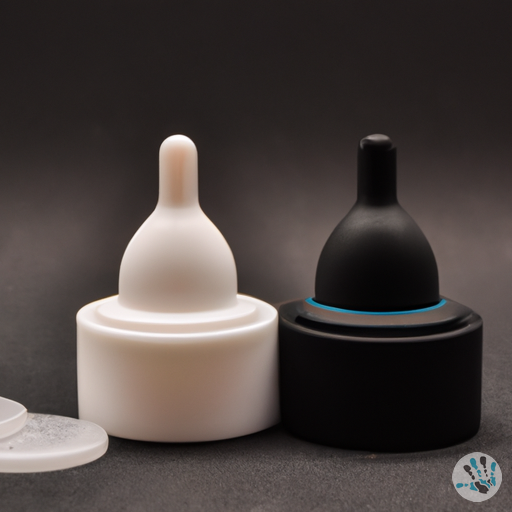
How do I prevent rubber teats for droppers from reacting with liquid weed killers?
Introduction
Rubber teats for droppers are a common tool used in gardening and landscaping. However, when using liquid weed killers, it is important to take precautions to prevent the rubber teats from reacting with the chemicals. This article will provide information on how to prevent rubber teats from reacting with liquid weed killers, including the use of protective gloves and other safety measures.
How to Protect Rubber Teats from Reacting with Liquid Weed Killers
If you’re using liquid weed killers in your garden, you may be wondering how to protect your rubber teats from reacting with the chemicals. After all, you don’t want to damage your garden tools! Fortunately, there are a few simple steps you can take to protect your rubber teats from reacting with liquid weed killers.
First, make sure you’re wearing protective gloves when you’re handling the weed killer. This will help to protect your hands from any potential reactions.
Second, rinse off any rubber teats that come into contact with the weed killer. This will help to remove any residue that may have been left behind.
Third, store your rubber teats in a sealed container when not in use. This will help to keep the weed killer away from the rubber teats and prevent any potential reactions.
Finally, if you’re using a spray bottle to apply the weed killer, make sure you’re using a separate spray bottle for the weed killer and one for water. This will help to prevent any cross-contamination between the two liquids.
By following these simple steps, you can help to protect your rubber teats from reacting with liquid weed killers. So, the next time you’re using weed killers in your garden, make sure you’re taking the necessary precautions to keep your rubber teats safe!
The Benefits of Using Protective Covers for Rubber Teats When Applying Liquid Weed Killers
If you’re looking for an effective way to apply liquid weed killers to your garden, then you should consider using protective covers for rubber teats. These covers are designed to protect the rubber teats from the harsh chemicals in the weed killer, while also providing a more even application of the product. Here are some of the benefits of using protective covers for rubber teats when applying liquid weed killers:
1. Protection from Chemicals: The protective covers for rubber teats provide a barrier between the rubber teats and the harsh chemicals in the weed killer. This helps to ensure that the rubber teats don’t become damaged or degraded by the chemicals.
2. Even Application: The protective covers for rubber teats help to ensure that the weed killer is applied evenly across the entire area. This helps to ensure that the weed killer is effective and that it doesn’t miss any spots.
3. Easy to Use: The protective covers for rubber teats are easy to use and don’t require any special tools or equipment. All you need to do is slip the cover over the rubber teat and then apply the weed killer.
4. Cost-Effective: Protective covers for rubber teats are relatively inexpensive and can be reused multiple times. This makes them a cost-effective solution for applying liquid weed killers.
Using protective covers for rubber teats when applying liquid weed killers is a great way to ensure that the rubber teats are protected from the harsh chemicals in the weed killer. It also helps to ensure that the weed killer is applied evenly and that it doesn’t miss any spots. Plus, protective covers for rubber teats are easy to use and cost-effective. So, if you’re looking for an effective way to apply liquid weed killers, then you should consider using protective covers for rubber teats.
Tips for Ensuring Rubber Teats Don’t React with Liquid Weed Killers
If you’re using liquid weed killers in your garden, you may be wondering if they can react with rubber teats. After all, rubber teats are often used to water plants, and you don’t want to accidentally damage them. Fortunately, there are a few simple steps you can take to ensure that your rubber teats don’t react with liquid weed killers.
First, make sure you’re using the right type of weed killer. Some weed killers are designed to be used on rubber teats, while others are not. Read the label carefully to make sure you’re using the right product.
Second, always wear protective gloves when handling liquid weed killers. This will help protect your skin from any potential reactions.
Third, make sure you’re using the weed killer in the right way. Follow the instructions on the label carefully, and don’t use more than the recommended amount.
Fourth, rinse the rubber teats thoroughly after using the weed killer. This will help remove any residue that may have been left behind.
Finally, store the weed killer in a safe place, away from rubber teats. This will help prevent any accidental contact between the two.
By following these simple tips, you can help ensure that your rubber teats don’t react with liquid weed killers. With a little bit of care, you can keep your rubber teats safe and in good condition.
Conclusion
To prevent rubber teats for droppers from reacting with liquid weed killers, it is important to use a dropper with a teat made from a material that is resistant to the weed killer. Additionally, it is important to always read the label of the weed killer to ensure that it is safe to use with the dropper. Finally, it is important to always clean the dropper after each use to prevent any residue from the weed killer from remaining on the teat. By following these steps, you can ensure that your rubber teats for droppers will not react with liquid weed killers.