Matte Aluminium Dropper Collars: Handling and Line Tips
A matte silver collar gives a dropper bottle a calm, premium look. It also means that marks on the collar are easier to see than you might expect. Scuffs, fingerprints and torque marks show up under shop lighting and in product photos.
This guide is for production managers and buyers who already use, or plan to use, ready-assembled droppers with matte aluminium collars. It covers what to check on arrival, how to set up a filling and capping line, and how to avoid the common cosmetic defects. It does not repeat the Day versus Night color choice. It is about getting a clean result on the shelf.
What you are actually handling
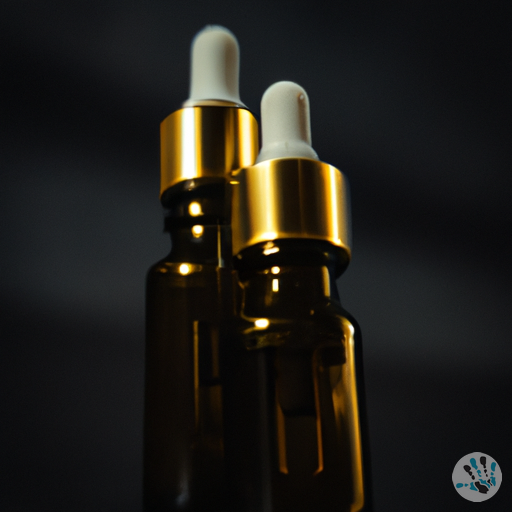
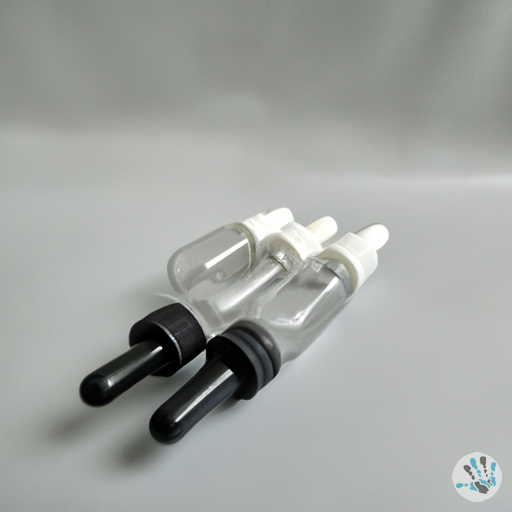
Each ALU Matte dropper is a ready-assembled unit made of three parts:
- Žiedas: matte silver aluminium outer shell with a polypropylene (PP) inner part.
- Guminė kriaušytė: NBR rubber, white in the Day range and black in the Night range.
- Pipetė: straight-tip glass, available plain or graduated. Check the product page for the option you need.
All sizes use a DIN18 (GL18) thread. That means the collar fits DIN18 dropper bottles in the matching volume, and the whole unit comes out of the carton already assembled. You do not have to assemble the parts on your own line.
The two sub-ranges differ only in teat color: ALU Matte Silver Day has a white teat and ALU Matte Silver Night has a black teat.

Pipette length by bottle size
The pipette length is matched to the bottle volume. Using the wrong pairing is a common cause of pipettes that touch the bottle base or fall short of the liquid. These are the lengths in the current range:
| Buteliuko tūris | Stiklinės pipetės su tiesiu galu ilgis |
|---|---|
| 5 ml | 48 mm |
| 10 ml | 58 mm |
| 15 ml | 63 mm |
| 20 ml | 70 mm |
| 30 ml | 77 mm |
| 50 ml | 90 mm |
| 100 ml | 108 mm |
Bottle height varies between suppliers, even at the same nominal volume. Before you commit to a full order, fit one sample dropper to your actual bottle and check that the tip sits just above the base without pressing on it.
Receiving and incoming inspection
Do the inspection on a clean table with good, neutral light. Matte finishes can hide flaws under yellow light and exaggerate them under bright white light, so use the lighting your packed product will be seen in.
Quick checks on a sample from each carton
- Collar surface: look for scratches, dents or uneven matte texture. Compare against an approved reference unit that you keep on file.
- Teat seating: the teat should sit square in the collar, with no visible gap or tilt.
- Pipetė: check that it is straight, centered and free of chips at the tip. Our įeinantis tikrinimas habits for glass are worth copying here.
- Color match: if you mix cartons from different orders, put the collars side by side. Slight lot-to-lot differences in a matte finish are easier to spot next to each other than on separate days.
- Thread fit: hand-screw a sample onto your bottle and confirm that it turns smoothly and seats fully.
Keep a written reference sample, labeled with date and order number. When a question arises later, it is much easier to settle with something physical in hand.

Avoiding cosmetic damage in storage and transport
Aluminium is a soft metal compared with glass. Collars that rub against each other in a loose bulk bag can pick up fine marks. A few habits help:
- Keep droppers in their original bags and cartons until they go to the line.
- Do not tip or pour units into open bins. Take them out by hand or with a clean scoop.
- Avoid stacking cartons so high that the lower ones are compressed.
- Store in a dry, clean area. Moisture and dust on the collar are cosmetic problems before they are anything else.
- Wear clean gloves for any step where the collars are handled in front of the customer, such as sample sets or photography.
If you buy for shipping to retailers, see how you pack the finished bottles, too. Dividers or cartons with cells keep collars from touching.
Setting up the capping step
The capping step is where most visible damage happens. Torque heads, chucks and grippers all touch the collar, and a hard metal gripper on a matte surface will leave marks.
Practical setup points
- Use soft contact surfaces. Rubber or plastic-lined chucks are gentler on the collar than bare metal.
- Set torque on a trial run. The goal is a firm seal without spinning the collar against the chuck. Run a small batch, check for marks, then adjust.
- Align the bottle and the dropper. A dropper that enters at an angle can cross-thread or scuff the collar edge.
- Mind the pipette on entry. The glass pipette should drop into the bottle without catching on the shoulder or neck. Slow the head down for the first few seconds of insertion if needed.
- Check a sample every so often. Look at collars after an hour, after a break and after a changeover.
If you cap by hand, the same logic applies. A small piece of soft cloth or a rubber grip pad can protect the collar. For higher volumes, a pakavimo įranga option may be worth a look, although the right machine depends on your throughput and bottle shape.
Fill level and liquid considerations
The collar and pipette do their job best when the bottle is not overfilled. Leave enough headspace so that the pipette displaces liquid without pushing it up into the thread. Spillage onto the collar is a particular problem on a matte finish, because wiping can polish the surface unevenly.
The NBR teat is a standard dropper material, but compatibility depends on what you fill. Strong solvents, concentrated actives and some essential oil blends can affect rubber over time. Run your own compatibility and stability check with your formulation, using the same teat color and the same bottle you plan to sell. If you want to compare other teat materials, we also list gumytės as separate components.
Labeling and presentation
A matte silver collar pairs well with amber glass, and the finish tends to look good with simple label designs. A few practical points:
- Decide whether the label or the collar is the visual focus. A busy label can compete with the matte surface.
- Leave a clear zone around the neck if you apply a seal or sleeve.
- If you need a graduated pipette, mention it on the artwork brief so that the printed dosing information matches the pipette scale.
- Confirm with your own regulatory advisor what warnings and dosing text your market requires. That sits with the product owner, not the packaging.
Dažnos klaidos, kurių reikia vengti
- Ordering the full run without testing one sample on the real bottle.
- Mixing Day and Night teats in the same carton by accident during picking.
- Using bare metal grippers on the collar.
- Skipping a retained reference sample.
- Assuming that all DIN18 bottles have identical neck dimensions and heights.
DUK
Are the ALU Matte droppers delivered assembled?
Yes. The collar, teat and pipette arrive as one assembled dropper, ready to fit on a DIN18 (GL18) bottle.
Can I choose between a plain and a graduated pipette?
Most sizes are offered with either option. Check the product page for the size you need, or ask us if you are unsure.
What is the difference between ALU Matte Silver Day and Night?
The teat color. Day uses a white NBR teat and Night uses a black NBR teat. The collar and pipette sizes are the same.
How can I check the fit before ordering in volume?
Request a sample, fit it on your own bottle and run it through your filling and capping steps. This shows you the pipette height, thread fit and any handling marks early.
Ready to test a matte aluminium dropper on your own line? Naršykite parduotuvę or contact us for samples and advice on the right size and teat color.