Dispensing Closures for DIN18 Bottles: Match Format to Product
A dispensing closure does more than seal a bottle. It controls how much product comes out, where it lands and how clean the bottle stays between the first and the last use. For a brand using DIN18 glass bottles, the closure format is often the most important packaging decision after the bottle itself.
This guide compares the main dispensing formats built for DIN18 necks: droppers, roll-on plugs, sprayers and plain plugs with a cap. It also covers how to match each one to your formula and your filling line.
What “dispensing closure” means in practice
In B2B packaging the term covers any closure that releases product in a controlled way rather than simply opening the bottle. On a DIN18 glass bottle that usually means one of four things:
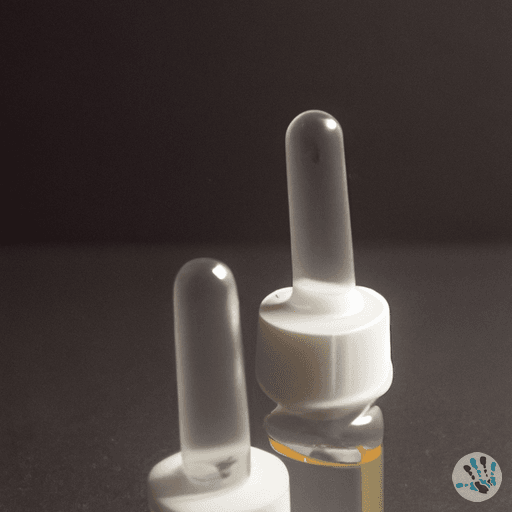
- Pipetes uzgalis: a collar, a rubber or elastomer teat and a glass pipette.
- Roll-on set: a plug holding a ball, plus a screw cap.
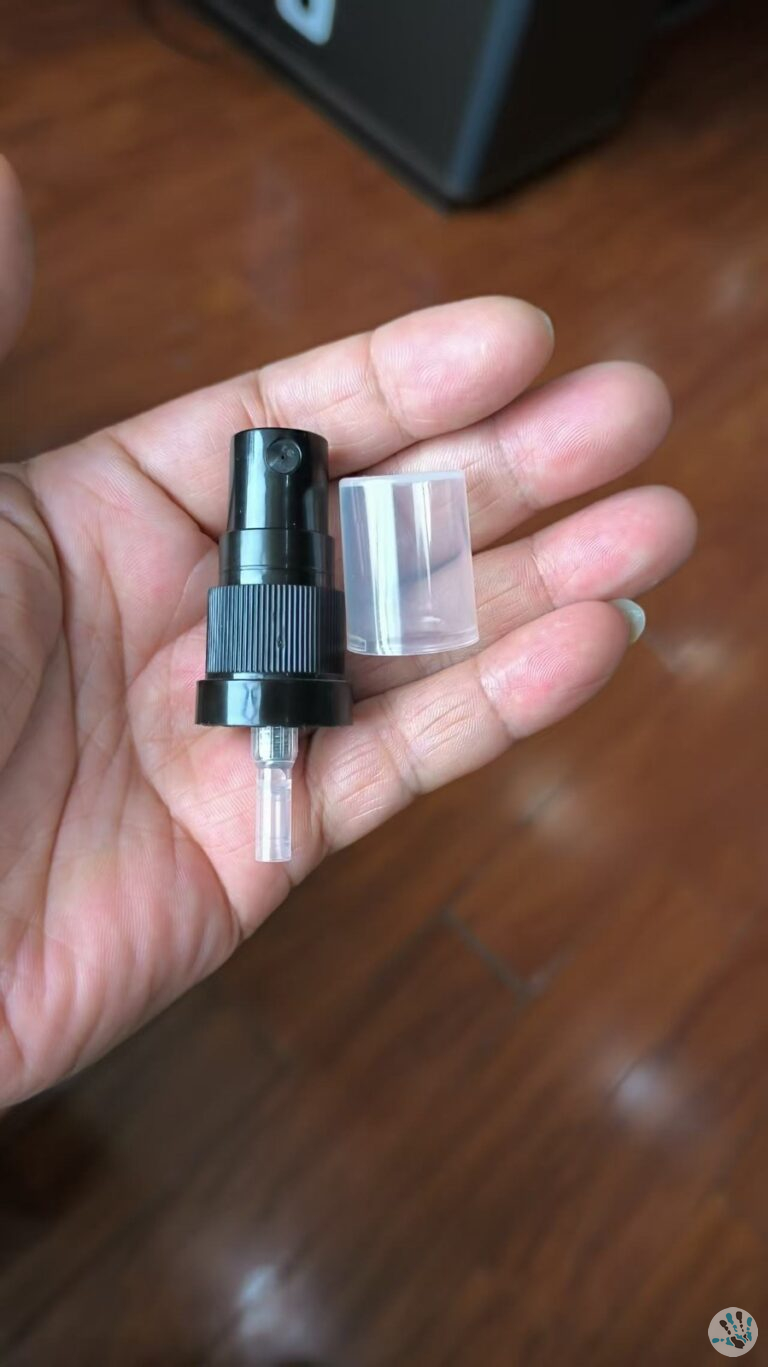
- Sprayer: a pump that fits the DIN18 neck and produces a mist.
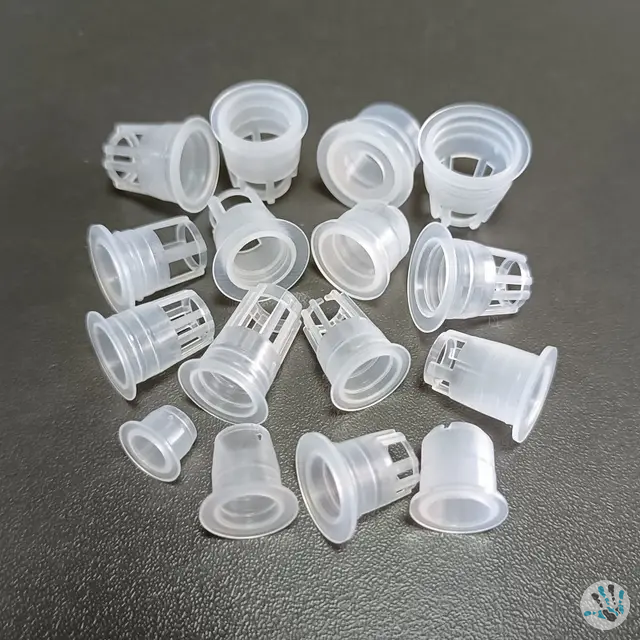
- Orifice plug with cap: an insert that restricts the opening, closed with a screw cap.
Each format is made of several parts, so the decision is also about compatibility between those parts and the bottle neck. If you are new to this, our existing guide on the DIN18 roll-on plug with transparent plug and white PP cap shows how a set like this is built.

The four formats compared
| Format | Vislabāk piemērots | Dose control | Main thing to check |
|---|---|---|---|
| Pilinātājs | Oils, tinctures, serums, liquid supplements | Drop by drop or by pipette fill | Pipette length, teat material, viscosity |
| Roll-on | Perfume oils, aroma blends, targeted topical products | Surface application, no dosing | Ball and plug fit, formula flow |
| Sprayer | Thin liquids, mists, fragrances | Per press | Liquid compatibility, dip tube length |
| Plug and cap | Products poured in small amounts | Limited | Orifice size, cap seal |
Droppers: the default for oils and serums
Droppers remain the most common choice for CBD oils, essential oils, serums and liquid supplements. The customer squeezes the teat, draws liquid into the pipette and releases it where needed. With a graduated pipette, the same part can also serve as a measuring aid.
Three choices shape the result:
- Mešiček materiāls. Some formulas, especially those with essential oils or strong solvents, affect rubber differently. Test your actual liquid against the teat material before committing.
- Pipette length. It must reach the bottom of the bottle without touching it hard. Bottle height and pipette length have to be matched, not guessed.
- Collar and tamper evidence. Aluminium, plastic and wooden collars all change the look. Tamper-evident rings are common for products sold to consumers. See our pipetes ar pirmās atvēršanas kontroli for assembled options.

Roll-ons: applying product without dosing it
A roll-on set replaces the dropper with a ball held in a plug. The user rolls the product directly onto the skin, so there is no pipette to fill and no residue on a teat. It suits thin to medium-viscosity liquids such as perfume oils and aroma blends.
For DIN18 bottles, the set described in our range uses a stainless steel ball in a transparent plug, with a PP screw cap. The cap is available in black or white, which makes it easy to align with the rest of your line. The cap is not tamper-evident, so if you need that feature, consider an overwrap, a seal or a different closure.
Roll-ons do not meter anything. If the customer needs a precise amount, a dropper is the better choice.
Sprayers: for thin liquids and even coverage
A sprayer is the right tool when you want to cover an area or create a mist. It works best with low-viscosity liquids. Thick oils tend to clog or spray unevenly, and some formulas can attack certain pump materials.
Before ordering, confirm that the pump fits the DIN18 neck, that the dip tube reaches the bottom of your bottle and that your formula is compatible with the pump parts. You can browse the FineMist smidzinātāji to see the fit options.
Plugs with caps: simple and flexible
An orifice plug with a screw cap is the most basic dispensing closure. It limits the opening so the liquid pours in small amounts and the cap does the sealing. It works for products that do not need a pipette or a ball, and it keeps the part count low.
The limitation is dose accuracy. You get less control than with a graduated pipette, and the pour depends on how the user tips the bottle. It is a practical choice for products where precision is not the point.
How to choose: five questions
- How thick is the liquid? Viscosity decides whether a dropper, sprayer or roll-on will work at all. Run a flow test with your real formula.
- Does the customer need a measured amount? If yes, choose a dropper with a graduated pipette. Check that the scale matches your labeled dosing.
- Is it applied to skin, hair or a surface? Roll-on and spray formats suit direct application. Droppers suit placing drops.
- What contact materials are acceptable for your product? Request the technical documents for each component and check them against your own requirements and market rules.
- Do you need tamper evidence or child resistance? This narrows the options early. Closures that offer these features are separate product lines, so decide before you design the label.
Line and handling considerations
A closure that works on the bench can still cause trouble on a filling line. Keep these points in mind:
- Fill first, then insert. Plugs and pumps go in after filling, followed by the cap or collar. Changing the order can trap air or cause overflow.
- Seat consistently. A plug that is pushed in unevenly will leak or loosen. Check seating on a sample from every batch.
- Control the torque. Overtightening can crack a cap or deform a plug, and undertightening leaves a gap. Define a torque range during your trial runs.
- Inspect on arrival. Look for flash, deformed necks, scratched balls and loose parts before they reach the line.
Biežākās kļūdas
- Choosing the closure from a picture without testing it with the real formula.
- Assuming that every DIN18 part fits every DIN18 bottle without a sample check. Tolerances differ between parts.
- Ignoring pipette length when switching to a different bottle height.
- Selecting a roll-on for a formula that is too thick to pass the ball.
- Leaving tamper evidence until the end of the design process.
Order samples before committing
The fastest way to avoid a bad purchase is to test a few complete combinations: your bottle, your liquid, the closure and the cap. Run them through a short fill, leave them for a period that matches your needs and check for leaks, residue and appearance. Then compare handling on your line. Adjust the format or the parts before you place a carton order.
BUJ
Which dispensing closure fits a DIN18 bottle?
Droppers, roll-on plugs, sprayers and plugs with screw caps are all made for the DIN18 neck. Check the specific part in the product data and test it on your bottle before ordering in volume.
Is a roll-on cap tamper-evident?
That depends on the product. The roll-on sets described here use a non-tamper-evident PP screw cap, so add a seal or choose another closure if you need tamper evidence.
Can I use a dropper for thick liquids?
Thicker liquids draw slowly and may not flow well. Test your formula with the pipette and teat you plan to use, and consider whether another format suits it better.
Can I mix parts from different closure types?
You can often combine collars, teats and pipettes for custom droppers, but always confirm fit and function with samples first.
Ready to compare formats? Pārlūkot veikalu or contact us to request samples and advice on the right closure for your product.