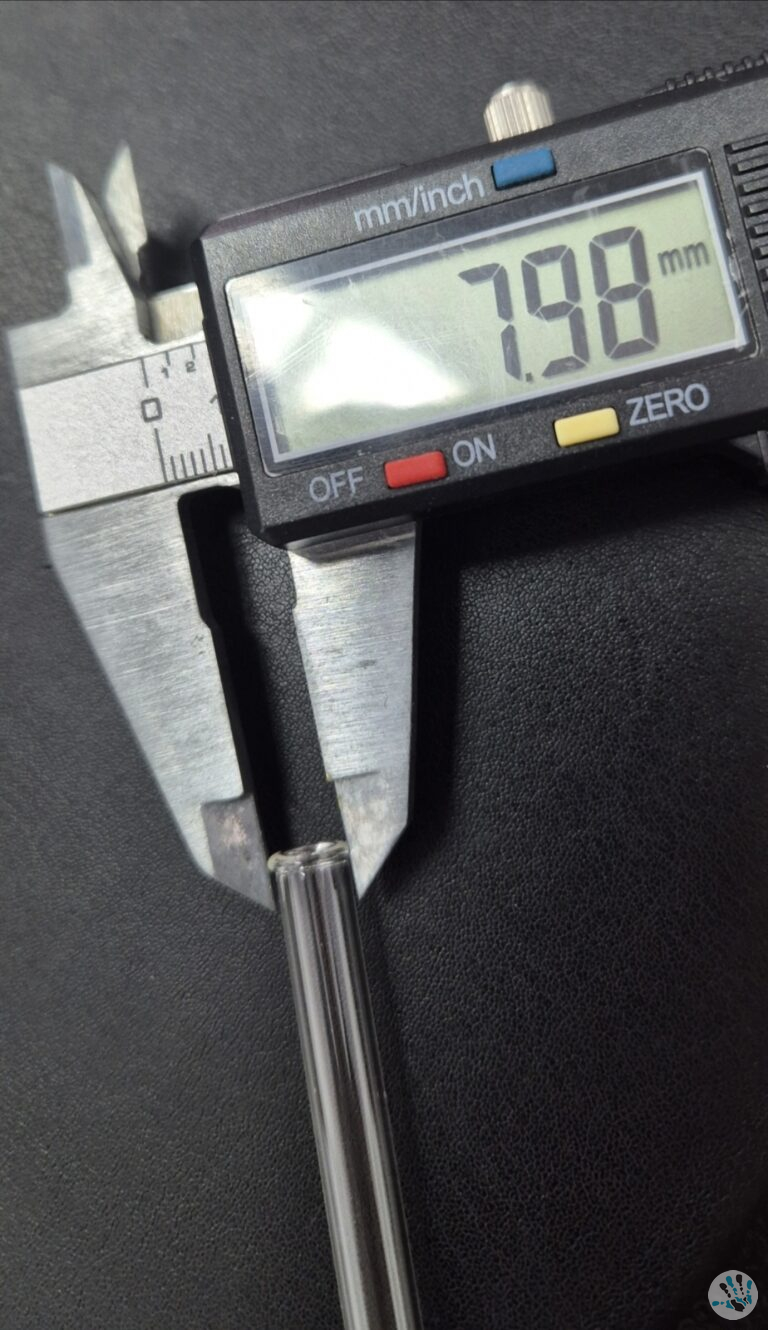
Can glass pipettes for droppers be used for viscous liquids?
Inleiding
Can glass pipettes for droppers be used for viscous liquids? This is a common question asked by many people who are looking for a reliable and efficient way to dispense viscous liquids. Glass pipettes are a great option for dispensing viscous liquids, as they are highly accurate and can be used for a variety of applications. In this article, we will discuss the advantages and disadvantages of using glass pipettes for droppers, as well as the types of liquids that can be dispensed using them. We will also provide some tips on how to use glass pipettes for droppers effectively.
Exploring the Benefits of Using Glass Pipettes for Droppers with Viscous Liquids
Are you looking for a reliable and efficient way to dispense viscous liquids? If so, glass pipettes may be the perfect solution for you!
Glass pipettes, also known as droppers, are a great tool for accurately and precisely dispensing viscous liquids. They are often used in laboratories and other scientific settings, but they can also be used in a variety of other applications.
Glass pipettes are made from a special type of glass that is designed to be resistant to breakage and corrosion. This makes them ideal for use with viscous liquids, as they won’t be damaged by the liquid’s viscosity. The glass also helps to ensure that the liquid is dispensed accurately and precisely.
Glass pipettes are also easy to use. They come with a plunger that can be used to draw the liquid up into the pipette and then dispense it. This makes them much easier to use than other types of droppers, such as plastic or metal ones.
Glass pipettes are also very affordable. They are usually much cheaper than other types of droppers, making them a great choice for those on a budget.
Finally, glass pipettes are also very durable. They are designed to last for many years, so you won’t have to worry about replacing them anytime soon.
If you’re looking for a reliable and efficient way to dispense viscous liquids, glass pipettes are a great choice. They are easy to use, affordable, and durable, making them the perfect tool for any application. So why not give them a try today?
How to Properly Use Glass Pipettes for Droppers with Viscous Liquids
If you’re looking for a way to accurately measure and dispense viscous liquids, glass pipettes are a great option. They’re easy to use, and they provide a precise and consistent way to measure and dispense liquids. Here’s how to use glass pipettes for droppers with viscous liquids.
1. Start by filling the pipette with the liquid you’re using. Make sure the liquid is at room temperature, as this will make it easier to draw up into the pipette.
2. Place the tip of the pipette into the liquid and draw up the liquid into the pipette. Make sure the liquid is drawn up to the desired level.
3. Place your finger over the top of the pipette and remove it from the liquid. This will prevent the liquid from spilling out.
4. Place the pipette over the container you’re dispensing the liquid into. Make sure the tip of the pipette is just above the surface of the liquid.
5. Slowly release your finger from the top of the pipette and allow the liquid to flow out. Make sure to keep the tip of the pipette just above the surface of the liquid to ensure an accurate and consistent measurement.
6. Once the desired amount of liquid has been dispensed, place your finger back over the top of the pipette and remove it from the container.
Using glass pipettes for droppers with viscous liquids is a great way to accurately measure and dispense liquids. Just follow these steps and you’ll be able to use glass pipettes with ease!
Understanding the Challenges of Using Glass Pipettes for Droppers with Viscous Liquids
If you’re a scientist or lab technician, you know that glass pipettes are essential tools for accurately measuring and transferring liquids. But when it comes to working with viscous liquids, using glass pipettes can be a challenge. In this blog post, we’ll explore the challenges of using glass pipettes for droppers with viscous liquids and offer some tips for overcoming them.
One of the biggest challenges of using glass pipettes for droppers with viscous liquids is that the liquid can stick to the inside of the pipette, making it difficult to accurately measure and transfer the liquid. This is because viscous liquids have a higher viscosity than non-viscous liquids, meaning they are thicker and stickier. As a result, they can be harder to move through the pipette and can leave residue on the inside of the pipette.
Another challenge of using glass pipettes for droppers with viscous liquids is that the liquid can be difficult to dispense. This is because viscous liquids are thicker and stickier, so they don’t flow as easily as non-viscous liquids. As a result, it can be difficult to get the liquid out of the pipette in a controlled manner.
Fortunately, there are some tips and tricks you can use to make using glass pipettes for droppers with viscous liquids easier. First, make sure you use a pipette with a larger diameter, as this will help reduce the amount of residue that sticks to the inside of the pipette. Second, use a pipette with a longer tip, as this will help reduce the amount of liquid that is left behind in the pipette. Finally, use a pipette with a larger volume, as this will help reduce the amount of liquid that is dispensed at once.
By following these tips, you can make using glass pipettes for droppers with viscous liquids easier and more accurate. With a little practice and patience, you’ll be able to accurately measure and transfer viscous liquids with ease.
Conclusie
In conclusion, glass pipettes for droppers can be used for viscous liquids, but it is important to consider the size of the pipette and the viscosity of the liquid. If the liquid is too viscous, it may be difficult to draw it up into the pipette. Additionally, the size of the pipette should be taken into consideration, as a larger pipette may be needed to draw up a viscous liquid.