NBR, Silicone or TPE? Choosing the Right Dropper Bulb for Oils and Serums
When a dropper fails, the glass pipette is rarely the problem. The usual culprit is the rubber bulb: it swells, turns sticky, cracks, or slowly loses its ability to draw liquid. For brands filling essential oils, CBD oils, facial serums or liquid supplements, bulb material is one of the most important – and most overlooked – packaging decisions. This guide explains how the three most common bulb materials behave, which formulas they suit, and how to test compatibility before you commit to a full production run.
Why the bulb is the weak point of a dropper
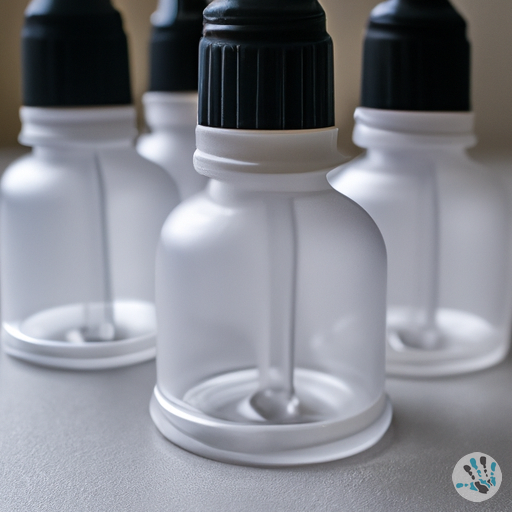
A typical dropper closure has four parts: the glass bottle, the screw cap (usually with a DIN18/GL18 thread), the glass pipette and the elastomer bulb. Glass is chemically inert towards almost every cosmetic or supplement formula. Elastomers are not. Every time the dropper is used – and even while the bottle is simply stored on its side during transport – the bulb is exposed to vapours and droplets of the product.
Some ingredients, especially terpenes, solvents and certain carrier oils, can migrate into the rubber. The result can be:
- Swelling – the bulb grows, feels soft or loose in the cap, and the seal weakens.
- Hardening or cracking – plasticisers are extracted, the bulb loses elasticity and stops recovering after squeezing.
- Stickiness or discolouration – a visible sign the material is degrading.
- Extractables in the product – the formula may pick up odour, colour or trace substances from the rubber.
For cosmetics sold in the EU, this is not only a quality issue. Annex I of Regulation (EC) No 1223/2009 requires the cosmetic product safety report to include information on the packaging material, including its relevant characteristics such as purity and stability, and the possibility of substances migrating from packaging into the product. Choosing a suitable bulb is part of building that documentation.
The three common bulb materials
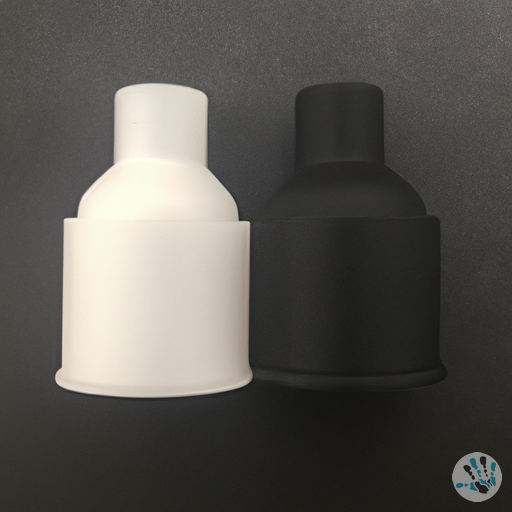
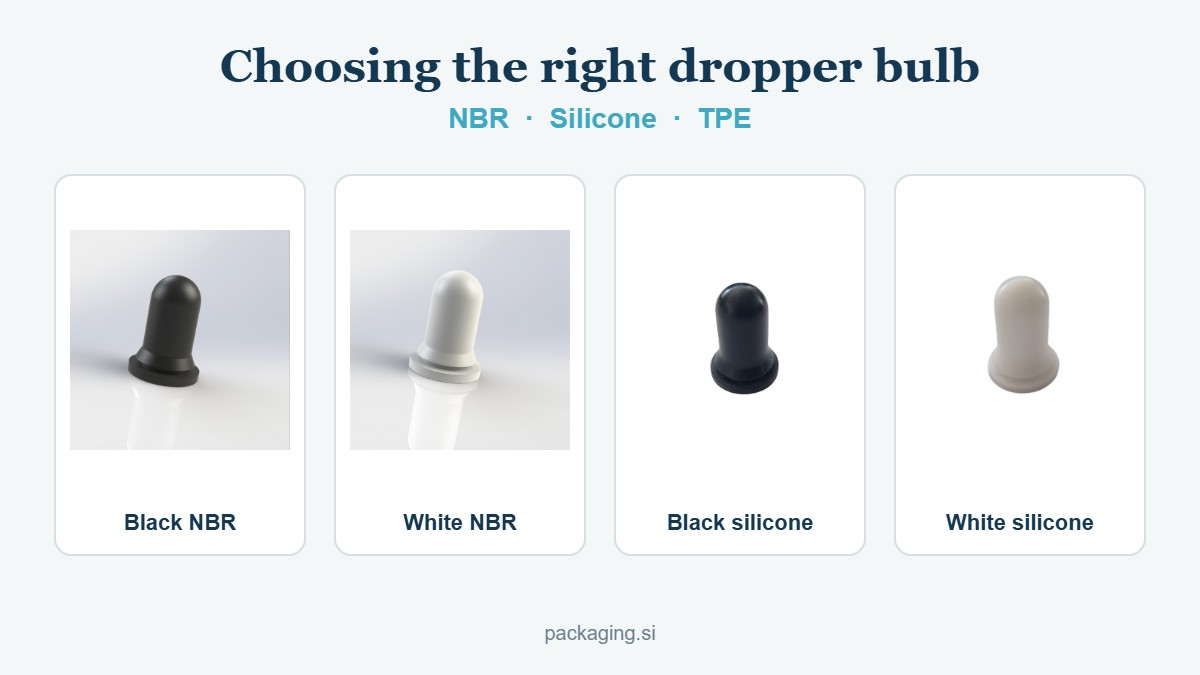
You can see the available options in our dropper teats range.
NBR (nitrile rubber)
NBR is a synthetic rubber known for good resistance to oils, fats and many hydrocarbons. That makes it a frequent default for oil-based products such as carrier-oil blends, beard oils, many CBD oils in MCT or hemp seed oil, and general-purpose cosmetic oils.
- Strengths: good oil resistance, firm and responsive feel, cost-effective, widely available in black and other colours.
- Watch out for: highly concentrated essential oils and strong solvents can still affect NBR over time; it is not the first choice for alcohol-heavy tinctures. Resistance also varies between compounds, so one NBR bulb is not automatically equivalent to another.
Silicone
Silicone rubber is soft, clean-looking (often translucent or white), and stable across a wide temperature range. It is popular for water-based serums, hyaluronic acid formulas, and products where a neutral, low-odour material is preferred.
- Strengths: pleasant soft touch, good resistance to water-based formulas, low odour, heat-stable (which matters for some cleaning and sterilisation processes).
- Watch out for: silicone tends to swell in non-polar solvents. Terpenes such as limonene – a major component of citrus essential oils – are a known problem. Many makers of soap and cosmetics have noticed silicone moulds degrading after contact with citrus-rich blends, and chemical resistance charts for silicone rubber generally rate it poorly against non-polar solvents. For neat essential oils and high-terpene blends, test silicone very carefully.
TPE (thermoplastic elastomer)
TPE is a family of materials rather than one specific polymer. TPE bulbs are generally injection-moulded, recyclable in principle, and free from the vulcanisation chemicals used in conventional rubber.
- Strengths: clean processing, consistent dimensions, available in many colours, often chosen for “clean beauty” positioning.
- Watch out for: because “TPE” covers many formulations, oil and solvent resistance varies widely. Some grades handle oils well; others soften quickly. Never assume compatibility based on the material name alone – always test with your actual formula.
Quick compatibility guide
The table below is a starting point, not a guarantee. Formulas differ, and the only reliable answer comes from testing your product with the exact bulb you plan to use.
| Product type | Usually a good first choice | Test with caution |
|---|---|---|
| Carrier-oil blends, beard and hair oils | NBR | Silicone, TPE (grade-dependent) |
| CBD oil in MCT or hemp seed oil | NBR | Silicone, especially with added terpenes |
| Neat essential oils, citrus blends | NBR (with testing) | Silicone, most TPE grades |
| Water-based serums, hyaluronic acid | Silicone, NBR, TPE | – |
| Alcohol-based tinctures and extracts | Test all options | NBR, some TPE grades |
| Liquid food supplements | Material with appropriate food-contact documentation | Any bulb without documentation |
How to test bulb compatibility before ordering in volume
A simple in-house test catches most problems long before your product reaches customers:
- Fill and store. Fill several bottles with your final formula, close them with the complete dropper and store some upright and some on their side (to keep the bulb in contact with liquid).
- Use elevated temperature. Keep a set at around 40–45 °C alongside a set at room temperature. Heat accelerates migration and gives earlier warning signs.
- Check regularly. Inspect after 1, 2, 4 and 8 weeks. Look for swelling, stickiness, cracking, colour change, and a change in how much liquid the pipette draws.
- Check the product too. Compare odour, colour and clarity against a control stored in a glass-only container.
- Document everything. Photos and notes support your stability data and safety assessment.
Many brands combine this with their regular stability and packaging-compatibility testing, so the bulb is evaluated together with the bottle and cap as one system.
Other details that affect performance
Bulb size and pipette length
Bulb volume and pipette length should match the bottle. A bulb that is too small draws only a little liquid per squeeze; a pipette that is too long touches the bottom and may not seal correctly. When changing bulb material, keep the same dimensions so the dosing your customers are used to stays the same.
Storage of spare bulbs
Elastomers age. Store unused bulbs and pre-assembled droppers in a cool, dark place, away from ozone sources and direct sunlight, and rotate stock so older lots are used first.
Practical recommendation
If you fill oil-based products, start testing with NBR. If you fill water-based serums and want a softer, more neutral look, silicone is a strong candidate. If sustainability positioning or a specific colour matters, ask for a TPE option – and test it with your exact formula. Whichever you choose, order a sample carton first, run a few weeks of storage tests, and only then move to full production quantities.
You can browse our dropper bottles, pipettes and bulbs in the shop, where products are sold by the carton with quantity pricing. Production of assembled droppers typically takes 3–5 working days from payment, with delivery by courier, post or pallet across the EU and to the UK.
FAQ
Which dropper bulb is best for CBD oil?
For CBD oil in MCT or hemp seed oil, NBR is usually the first material to test because of its good oil resistance. If your product contains added terpenes, extend testing and check for swelling or softening.
Why does my silicone bulb swell with essential oils?
Silicone absorbs many non-polar compounds, including terpenes such as limonene found in citrus oils. The absorbed liquid makes the bulb swell and soften. NBR is often more resistant in these cases, but testing is still recommended.
Is TPE better than rubber?
Not automatically. TPE has processing and recyclability advantages, but its chemical resistance depends heavily on the specific grade. It can be an excellent choice for some formulas and a poor one for others.
How long should a compatibility test take?
Most visible problems appear within 4–8 weeks, especially at elevated temperature. For a new product launch, run the bulb test in parallel with your regular stability testing.