Ordering CRC/TE Droppers: Sizes, Pipette Lengths, Spec Checklist
Child-resistant, tamper-evident (CRC/TE) droppers look simple on a product page. In practice, an order goes wrong in a handful of predictable places: the pipette is the wrong length for the bottle, the colors do not match the label design, or nobody confirmed the neck finish before the bottles arrived. This guide walks through how to specify a CRC/TE dropper order so the parts fit the first time.
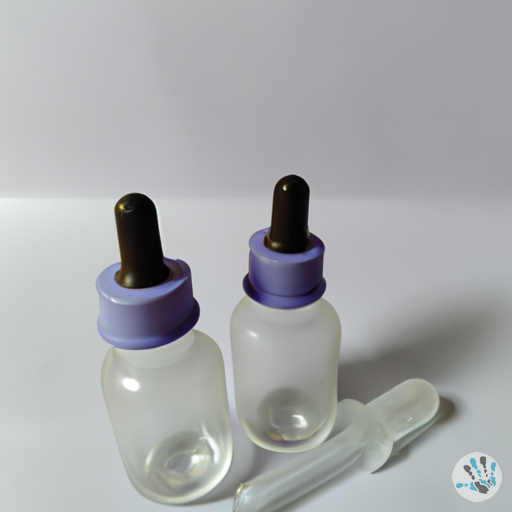
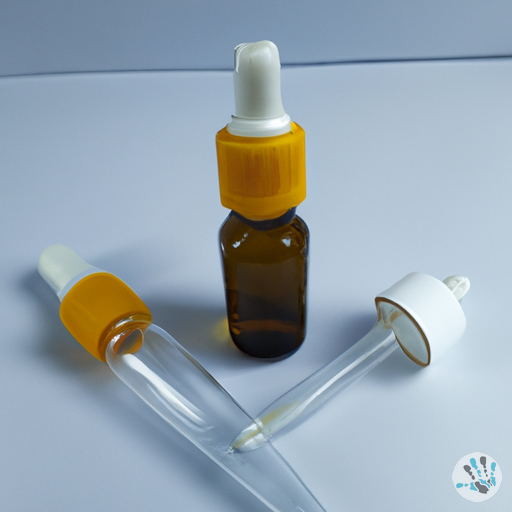
It applies to our CRC/TE droppers, which are supplied ready-assembled: a glass pipette, an NBR rubber teat and a child-resistant, tamper-evident polypropylene collar, all on a DIN18 (GL18) thread.
What you are actually ordering
Every CRC/TE dropper in the range shares the same core build. Knowing what is fixed saves time, because it narrows your decisions to just three: bottle size (which sets the pipette length), teat color and collar color.
- Thread: DIN18 (GL18) on every size.
- Teat: NBR rubber, white or black.
- Collar: polypropylene, child-resistant and tamper-evident, white or black.
- Pipette: straight-tip glass, with length matched to bottle volume.
Because the unit arrives assembled, your line does not need to fit teats and collars onto pipettes. Your filling team receives one component and screws it onto the filled bottle.

Step 1: Match the dropper to the bottle volume
The pipette has to reach near the bottom of the bottle without pressing on the glass. That is why each bottle volume has its own pipette length. The table below shows the pairings in the CRC/TE range.
| Bottle volume | Pipette length (straight tip) |
|---|---|
| 5 ml | 48 mm |
| 10 ml | 58 mm |
| 15 ml | 63 mm |
| 20 ml | 70 mm |
| 30 ml | 77 mm |
| 50 ml | 90 mm |
| 100 ml | 108 mm |
These pairings assume a standard DIN18 bottle for each volume. Bottle height can differ slightly between shapes and manufacturers, so if you use a slim, tall or short-bodied bottle, test a sample on your actual filled bottle before committing to a full carton. For a broader look at the logic, see our article on choosing the right pipette length for your dropper bottle.
If the pipette seems too long or too short
A pipette that is too long can touch the base and restrict draw-up. One that is too short leaves product behind and makes the last portion hard to dispense. Neither is a fault in the dropper; both come from pairing it with a bottle it was not sized for. Checking with a sample takes minutes and avoids a returned pallet.
Step 2: Choose the color variant
The range is split into four sub-ranges. The names describe the color combination of teat and collar, not any difference in function.
- Morning: white teat, black collar.
- Day: white teat, white collar.
- Evening: black teat, white collar.
- Night: black teat, black collar.
Every volume from 5 ml to 100 ml is available in each variant. That means you can keep one pipette length per bottle size and change only the look of the closure between product lines. If you want to see how the four combinations work visually, our article on CRC/TE dropper colors covers that in detail.
Two practical points when choosing:
- Collar color is the most visible part. It is what customers see on the shelf, so decide it together with label and carton design.
- Teat color is mostly hidden. It shows when the dropper is lifted from the bottle, so many brands treat it as a secondary choice. Avoid mixing a light teat with a product that may stain it, and test with your formulation.

Step 3: Confirm the bottle side
CRC/TE droppers only work if the bottle neck is a true DIN18 finish. Before ordering, check with your bottle supplier or measure a sample. Our guide on how cap thread is measured explains diameter, pitch and DIN18 in practical terms.
If you also buy bottles from us, the DIN18/GL18 dropper bottles are the matching range. When bottles come from another source, ask for a sample of both bottle and dropper to test the thread engagement and the tamper-evident ring together.
Step 4: Check the compliance side, without assumptions
Child-resistant and tamper-evident closures are often chosen for compliance reasons, but the requirement depends on your product, your target market and how you classify the product. A closure described as child-resistant does not automatically mean your finished product is compliant.
- Ask your regulatory advisor or the market authority whether your product category requires child-resistant packaging.
- Confirm whether your market expects specific testing of the closed, filled bottle, and plan that testing on your own filled samples.
- Request the technical documents you need for your file. Our article on technical documents for droppers, pipettes and bottles lists what to ask for.
We describe the collar as child-resistant and tamper-evident, and we can help you with specifications. We do not make claims about how your finished product will perform in regulatory testing, since that depends on the full combination of bottle, closure and fill.
Step 5: Plan for the line
A CRC/TE collar behaves differently from a standard collar. It is meant to take a deliberate action to open, so your operators and any capping equipment should be set up with that in mind.
- Run a pilot batch before the full run, and check that every closure seats fully on the bottle.
- Inspect the tamper-evident ring on the line and again at final QC. Our article on checking the tamper-evident ring in QC for TE Plus droppers describes an inspection routine that adapts well here.
- Keep pipette tips clean and avoid touching them when unpacking the bags. Our guide on straight-tip glass pipettes on the line has handling tips.
- If you use a capping machine, test the closure in a trial before ordering large volumes.
Order spec checklist
Copy this list into your purchase request. It covers everything we need to quote and ship the right item.
- Bottle volume (5, 10, 15, 20, 30, 50 or 100 ml) and bottle type.
- Thread confirmed as DIN18 (GL18).
- Variant: Morning, Day, Evening or Night.
- Number of cartons per size.
- Any custom needs, such as a different color combination or packing format.
- Required documents and delivery address (EU or UK).
- Samples needed before the main order, yes or no.
Common mistakes to avoid
- Ordering by bottle name, not volume. Always confirm the nominal volume and neck.
- Skipping the sample. A short test saves much more than the sample costs in time.
- Mixing variants in one batch. Teat and collar colors look similar in bags; label cartons clearly.
- Assuming child-resistance covers compliance. It is one part of a larger packaging file.
FAQ
Which sizes are available in the CRC/TE range?
The range covers 5, 10, 15, 20, 30, 50 and 100 ml bottles, each with a pipette length matched to the volume, and each offered in all four color variants.
Do the Morning, Day, Evening and Night variants differ in function?
No. They differ only in teat and collar color. The thread, materials and construction are the same.
Are the droppers delivered assembled?
Yes. The pipette, NBR teat and CRC/TE collar come as one assembled unit, ready to be screwed onto a filled DIN18 bottle.
Can I get samples before placing a carton order?
Yes, samples can be requested so you can test fit, handling and appearance with your own bottles and product before a larger order.
Ready to specify your order? Browse the shop or contact us for samples and advice on matching droppers to your bottles.