Black or White Dropper Teats: Color, Finish and Specs
Most buyers pick a dropper teat (bulb) by material first and color second. That order makes sense, but the color and surface finish deserve their own line in your specification. They change how the finished bottle looks on a shelf, how marks and dust show up on the line, and how easily you can spot a wrong part during packing.
This article looks at the four DIN18 teat variants in our range, how color and finish relate to material, and how to write a specification that avoids mixed batches and surprises.
The four variants at a glance
Our GentleTouch teats are made for glass droppers with DIN18 collars. Color and finish come as a pair with the material:
| Variant | Material | Color | Finish |
|---|---|---|---|
| Black Silicone Teat | Silicone rubber | Black | Glossy |
| White Silicone Teat | Silicone rubber | White | Glossy |
| Black NBR Teat | NBR rubber | Black | Matt |
| White NBR Teat | NBR rubber | White | Matt |
So in this range, a glossy teat is silicone and a matt teat is NBR. If you want a glossy look, you are choosing silicone. If you want a matt look, you are choosing NBR. Treat the material as the technical decision and the color as the design decision within it.
Why color is more than a design choice
Brand look and bottle pairing
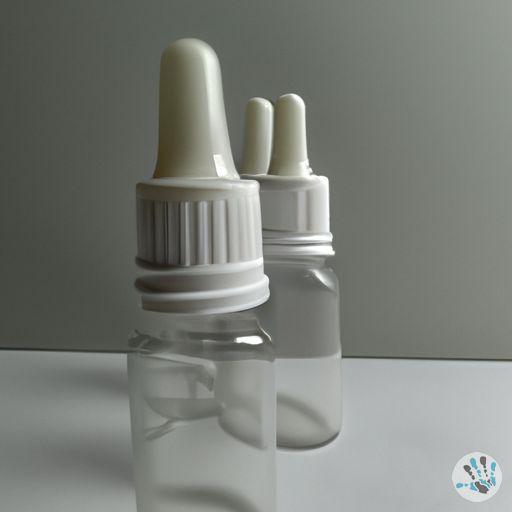
A black teat on an amber bottle is the classic pharmacy look. It reads as serious and is often used for essential oils, CBD oils and supplement drops. A white teat is lighter and fits clean, minimal cosmetic and serum packaging, especially with white or pale labels.
Look at the whole assembly, not just the teat. The teat, the collar and the pipette are seen together. Pair them in a mock-up before you commit, and check them under the lighting your customers will see: retail shelf, bathroom, or an online photo.
How marks and residue show
White parts show dirt, fingerprints and any oil residue more readily than black parts. If your filling line is oily, or your operators handle the teat after contact with the product, white can make that visible in the finished pack. Black hides it, but can show dust and fibers. Neither is better. Decide based on how clean your assembly area is and how the product behaves.
Color as a line control
Black and white teats look very different, so a wrong part is easy to see. Silicone versus NBR in the same color is harder to tell apart, apart from the finish. If you run both materials in one facility, store them separately and label cartons clearly.
Glossy vs matt: what to expect
Glossy silicone gives a smooth, shiny surface that catches light. Matt NBR looks softer and more subdued. Beyond appearance, the finish affects the hand feel when users squeeze the bulb. It also changes how fingerprints and small scuffs show.
Keep in mind that finish is only one part of the material decision. The bigger question is how the teat behaves with your formulation. Essential oils, solvents, alcohol-based liquids and some actives can affect rubber over time. We cover that in our guides on silicone teats and NBR choices, and the right answer depends on your product. Always run a compatibility test with your own liquid in the finished assembly before committing to volume.
How to write the teat line in your specification
A vague line such as “black teat for DIN18 dropper” leaves room for error. A usable line contains:
- Material: silicone or NBR.
- Color: black or white.
- Finish: glossy or matt (which follows from the material in our range).
- Neck finish: DIN18 collar.
- Quantity and packing: cartons, and whether you want parts supplied loose or assembled.
- Reference sample: a retained approved sample for future comparison.
The reference sample is the item people forget. Color and finish are visual properties, and visual properties are judged by eye. A signed-off sample on the shelf in your quality room settles disputes quickly.
Match the teat to the collar
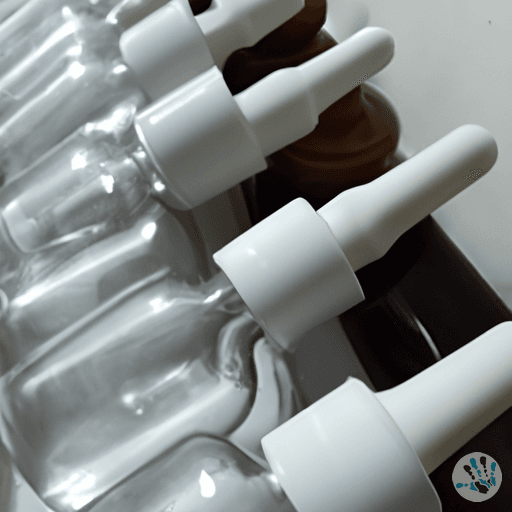
All four teats are intended for glass droppers with DIN18 collars. The collar is where the teat seats, so its finish and shape influence the final look. A black teat on a gold or silver aluminum collar looks very different from a white teat on the same collar. The SecureSeal collars category shows the options. If you are building a custom dropper, choose the collar and teat together rather than one after the other.
Check the fit on a sample first. The teat should seat on the collar fully and evenly, and the pipette should be straight and not crooked after assembly. If you see gaps, twisting or a teat that sits unevenly, stop and review before going further. Our white NBR teat, for example, is a good candidate for a trial alongside a white-labeled bottle, as long as it passes your compatibility check.
Practical checks before you order cartons
- Order samples of the exact variants. Do not judge color from a screen. Monitors vary and rubber looks different in hand.
- Assemble a full dropper. Use your actual bottle, collar and pipette.
- Fill and store it. Leave a filled sample for a period that suits your product and check for staining, swelling or softening of the teat. Check also whether the liquid affects the surface finish.
- Test the squeeze. Check how the bulb feels and whether it draws and releases the liquid as intended.
- Compare to your approved sample at incoming inspection. Look at color match, finish, surface defects and cleanliness.
Common mistakes
- Choosing by color alone. The look is secondary to compatibility with your formulation.
- Assuming glossy and matt are interchangeable. In our range they are different materials.
- Mixing batches in one production run. Slight shade differences between lots can be visible next to each other. Finish a run with one lot where you can.
- Handling white teats with dirty gloves. It shows immediately.
- Skipping the reference sample. Without one, you have no objective standard for acceptance.
Storage and handling
Keep teats in their original cartons or bags until use, away from direct sunlight and away from solvents and strong-smelling products. Keep the storage area clean and dry. Separate black and white parts, and silicone and NBR parts, to avoid mix-ups. Rotate stock so older cartons are used first.
FAQ
Can I get a glossy NBR teat?
In our current range, NBR teats have a matt finish and silicone teats have a glossy finish. If you need a particular combination, contact us and we will advise on what is possible.
Do black and white teats fit the same droppers?
Yes. All four variants are made for glass droppers with DIN18 collars. Color does not change the fit.
Will a white teat discolor?
That depends on your liquid and storage conditions. Strongly colored or reactive products may mark light-colored parts. Test a filled sample with your formulation before ordering volume.
Can I order samples before buying cartons?
Yes. Ask us for samples of the variants you are considering so you can assemble, fill and evaluate them with your own product.
Ready to compare options? Browse the shop or contact us for samples and advice on choosing the right teat for your droppers.