


DIN18 Spray Pump Checklist: Fit, Liquids and Line Tips
A practical buyer’s checklist for DIN18 (GL18) fine-mist spray pumps: how to check bottle fit, test your liquid, choose a collar and avoid common filling-line mistakes.

A practical buyer’s checklist for DIN18 (GL18) fine-mist spray pumps: how to check bottle fit, test your liquid, choose a collar and avoid common filling-line mistakes.

A practical checklist for testing steel ball roll-on plugs on DIN18 glass bottles before a production run. It covers fit, ball movement, leak checks, cap seating and filling-line tips.

Teat color and finish are easy to treat as cosmetic choices, but they affect brand look, line handling and batch consistency. This guide shows how to specify DIN18 dropper teats and what to check before ordering cartons.
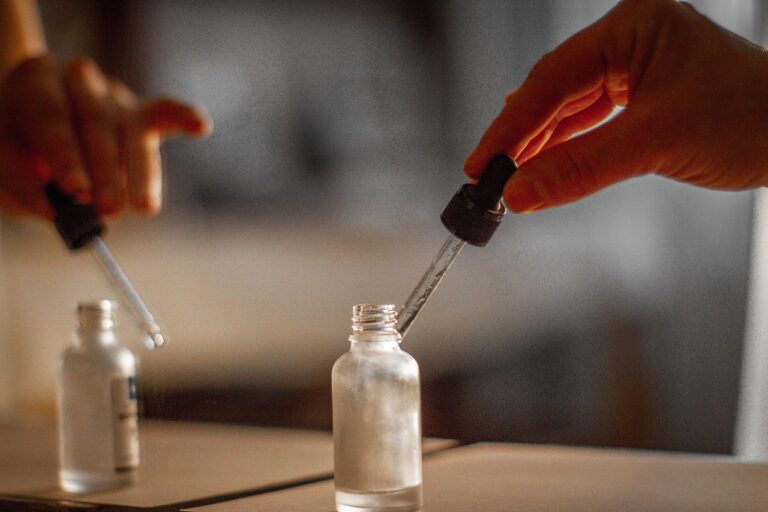
A straight-tip graduated pipette behaves differently with a thin tincture than with a thick carrier oil. This guide explains how viscosity affects filling and dosing, and how to test before you order cartons.

Our CRC/TE droppers come in four named color combinations, each in seven sizes. This guide explains how Morning, Day, Evening and Night differ and how to choose the right variant and size for your bottle.

Most closure problems come from parts that were never checked against each other. This checklist shows what to verify for DIN18 bottles, plugs, caps, collars, teats and pipettes before you order a carton.
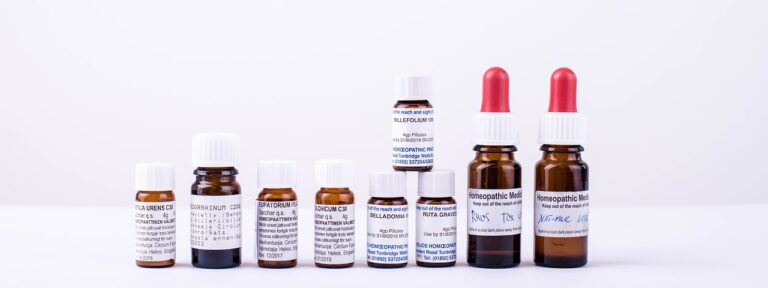
Four plug types fit DIN18 bottles, and each one dispenses differently. This guide compares flip-top, drop dispenser, wiper and roll-on plugs so you can match the plug to your product and process.

Recessed and prominent tamper-evident rings both close DIN18 (GL18) bottles, but they look and behave differently on the line and in the customer’s hand. This guide explains how to choose between them and what to check before ordering.

Ordering ALU assembled droppers is easier when the specification is complete. This checklist covers the details to define, from bottle volume and pipette length to teat colour, collar finish and line handling.
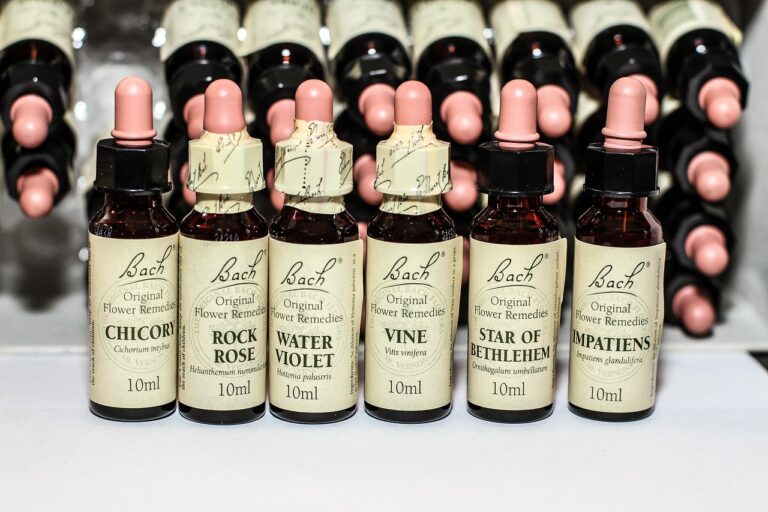
A practical guide to TE Plus ready-assembled DIN18 droppers: which size fits which bottle, what the tamper-evident ring does, and how to avoid problems on the filling line.

Choosing a capping machine for small bottle lines comes down to cap diameter, bottle height, output and how much handling you can accept. This guide compares a drill-driven screwing tool, a tabletop semi-automatic capper and an automatic single-head capper.
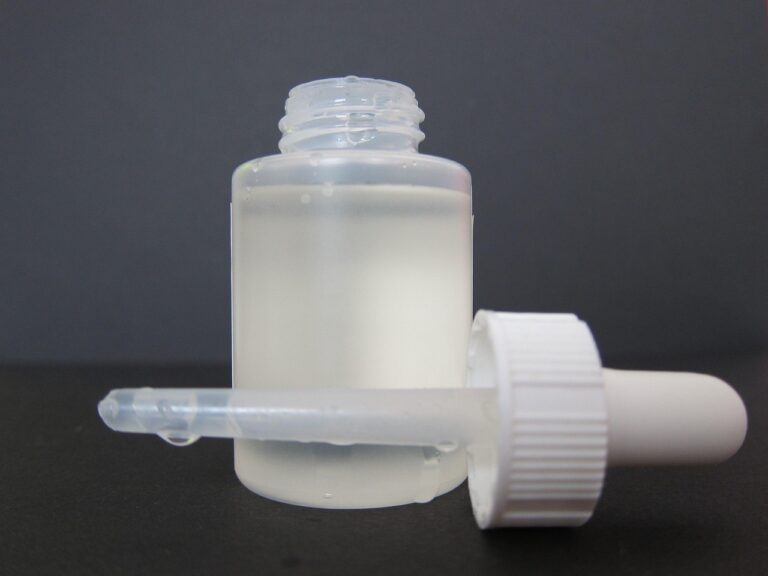
Most dropper problems on the filling line start with a part that was never checked on arrival. This checklist covers what to inspect on straight-tip glass pipettes, how to sample, and what to document.
AI assistant – answers may contain mistakes. Prices and stock are checked live in the shop.