Inspeção à receção de bolbos conta-gotas e montagem em colares DIN18
Os bolbos são a parte mais barata de um conta-gotas e uma das mais fáceis de descurar. No entanto, um bolbo ligeiramente desalinhado, mal assente ou mal armazenado pode levar a um retorno lento, a encaixes soltos ou a reclamações de clientes, num produto que, de resto, tem um aspeto perfeito. Uma rotina curta e repetível na receção de mercadoria e na linha de montagem evita a maioria destes problemas.
Este guia abrange o que verificar quando chega uma caixa de bolbos de borracha, como os montar em colares DIN18 e como os armazenar até à utilização. Aplica-se tanto a bolbos de NBR como de silicone.
O que está realmente a receber
As nossas Tetinas GentleTouch são bolbos de borracha para conta-gotas de vidro com colares DIN18. A gama tem quatro variantes:
- NBR branco, acabamento mate
- NBR preto, acabamento mate
- Silicone branco, acabamento brilhante
- Silicone preto, acabamento brilhante
O acabamento é uma ajuda rápida para identificação. Se uma caixa identificada como NBR contiver peças brilhantes, ou o inverso, há uma troca antes sequer de ter aberto um saco. Registe o material e a cor na sua ficha de receção, porque ambos são fáceis de confundir quando as peças estão em caixas na linha.
Inspeção à receção: uma rotina prática
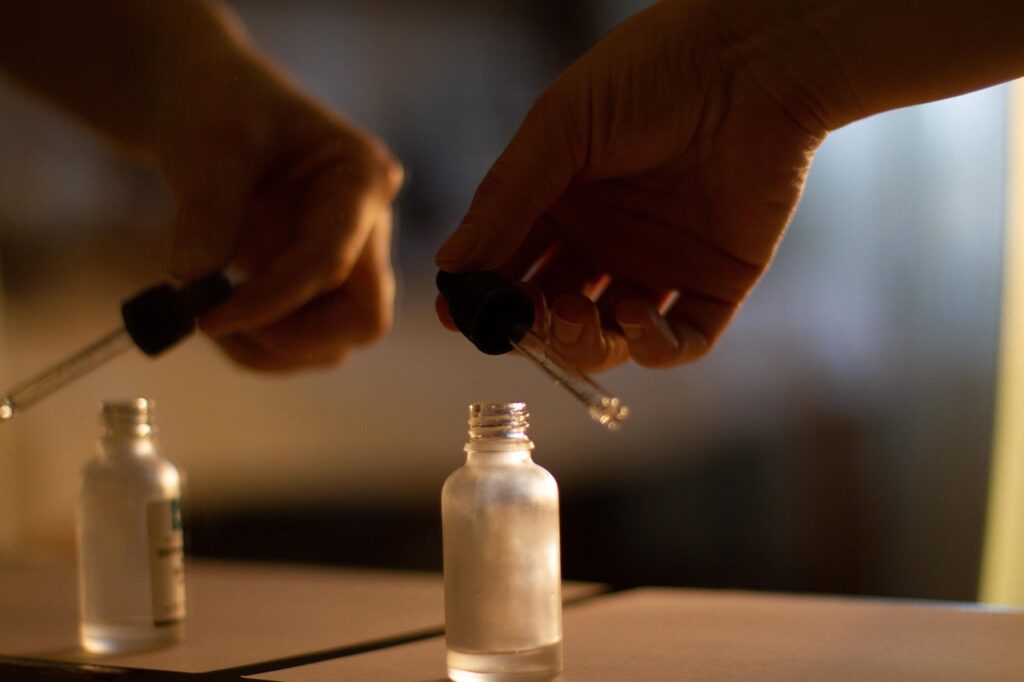
Não necessita de equipamento laboratorial. Uma mesa limpa, boa iluminação, uma amostra de peças de vários sacos e alguns artigos de referência (um colar, uma pipeta e um frasco da mesma encomenda) são suficientes.
1. Verificar a caixa e as etiquetas dos sacos
Confirme o nome do produto, o material, a cor e a quantidade face à sua encomenda. Verifique se os sacos estão intactos e fechados. Pó e fibras na borracha são um incómodo numa linha que enche cosméticos ou suplementos.
2. Verificação visual de uma amostra
Retire peças da parte superior, central e inferior da caixa, e não apenas do primeiro saco. Procure:
- Consistência de cor entre sacos, especialmente nos bolbos brancos, em que o amarelecimento ou as manchas são fáceis de detetar
- Rebarbas ou arestas vivas na abertura onde o bolbo se liga ao colar
- Cortes, rasgões ou zonas finas na cúpula
- Partículas estranhas na superfície ou no interior da peça
- Peças deformadas por terem sido amassadas no saco
3. Compressão e recuperação
Comprima alguns bolbos entre o polegar e o indicador e solte. Devem voltar à forma original a uma velocidade constante. Uma peça que fique amolgada ou que se distinga claramente do restante da amostra deve ser separada e comparada com uma referência retida.
4. Verificação de encaixe com as suas próprias peças
Esta é a verificação mais importante. Monte bolbos de amostra no colar e na pipeta exatos que vai usar na produção. Não confie no facto de ambos estarem identificados como DIN18. O material do colar, a parede do colar e a parte superior da pipeta influenciam a forma como o bolbo assenta. Se utilizar anilhas em vários acabamentos, teste cada um deles.
Tabela de inspeção
| Verificação | Como | Separar se |
|---|---|---|
| Identidade | Comparar etiqueta, cor e acabamento com a encomenda | O material ou a cor não correspondem |
| Superfície | Inspeção visual com boa iluminação | Cortes, partículas, abertura irregular |
| Forma | Compressão e libertação | Fica deformado ou é inconsistente |
| Encaixe no colar | Montar no seu colar e pipeta | Solto, torto ou difícil de encaixar |
| Limpeza | Observar o interior da abertura e do saco | Pó, fibras ou resíduos |
Registe o lote ou a data de entrega com o resultado. Se surgir um problema mais tarde, poderá rastreá-lo até uma entrega.
Montagem de bolbos em colares DIN18
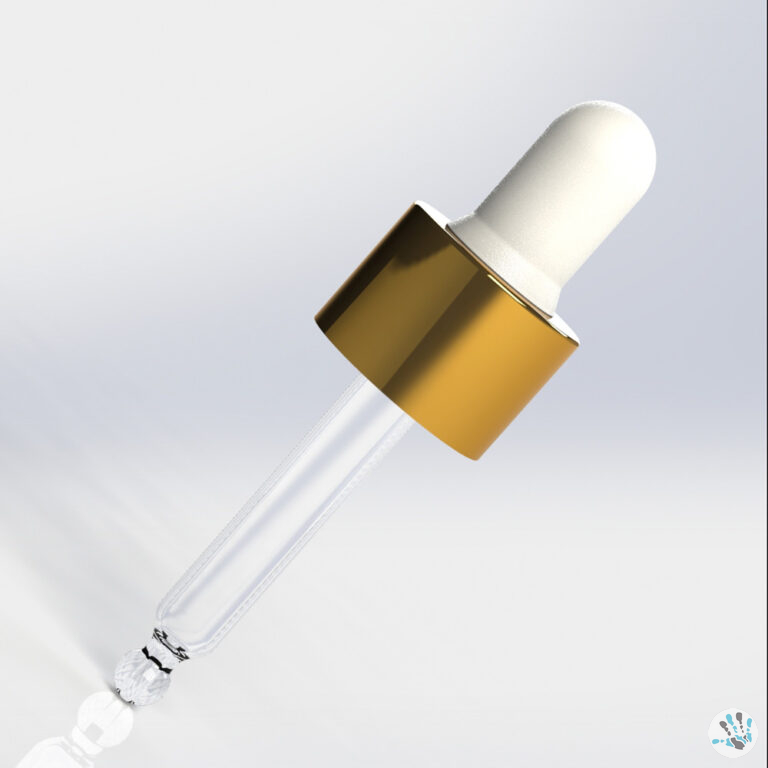
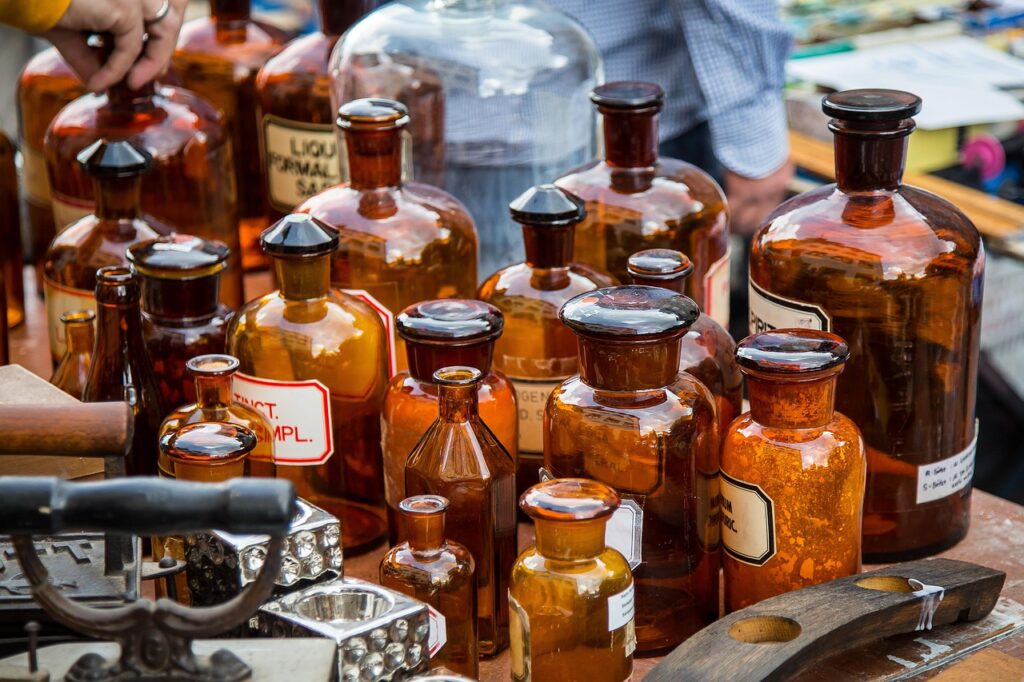
Os bolbos são normalmente montados no colar como parte da montagem do conta-gotas. Se montar você mesmo, a ordem habitual é: pipeta no colar, bolbo no colar e, depois, o conta-gotas acabado no frasco. Seja qual for a sequência, alguns hábitos ajudam.
Manter o trabalho limpo e seco
Mãos húmidas ou oleosas fazem a borracha escorregar e atraem pó. Use luvas limpas e substitua-as quando ficarem com produto. Não utilize lubrificantes ou solventes no bolbo para facilitar o deslizamento. Alguns líquidos e agentes de limpeza podem afetar a borracha com o tempo, razão pela qual escrevemos guias separados sobre materiais dos bolbos and chemical contact.
Push straight, not at an angle
Press the teat on in line with the collar axis. Angled pressure stretches one side of the opening and can leave the teat sitting crooked. A crooked teat looks poor on a shelf and can cause uneven squeezing.
Check the seat visually
After seating, the teat should sit evenly all the way around with no visible gap. Check the first parts of each shift and after any change of lot, collar or operator. Keep a physical sample of an acceptable dropper at the station for comparison.
Avoid over-stretching
If a teat needs excessive force, stop and check the collar and pipette rather than pushing harder. Forcing parts can tear the rubber at the opening, and a tear may not be obvious until the product is in use.
NBR or silicone on the line
Both materials seat the same way in principle, but they handle differently. Silicone parts have a glossy surface, and many operators feel they grip differently on the fingers than matt NBR. Check this during your trial run so that operators are not surprised. For guidance on which material suits your formulation, see our article on silicone and NBR teats, and test with your own liquid before committing to a large order. Oils, alcohol-based liquids and active ingredients can all behave differently with rubber.
If you are specifying white teats for a light-colored product, such as a bolbo NBR branco, remember that white shows marks more easily. Tighter handling rules at goods-in and on the line pay off here.
Armazenamento antes da utilização
Rubber parts are best kept in their original sealed bags until needed. General good practice:
- Store in a clean, dry area away from direct sunlight and heat sources
- Keep teats away from solvents, strong cleaning agents and open containers of essential oils or fragrance
- Do not stack heavy cartons on top of each other, so parts are not deformed
- Reseal opened bags and use older stock first
- Keep different colors and materials in clearly labeled, separate containers
If you pull a day’s supply to the line, bring only what will be used in the shift. Returning loose parts to bulk stock is a common source of mixed lots and contamination.
Erros comuns
- Testing fit with the wrong collar. A sample approved on one collar does not guarantee a good fit on another.
- Skipping the lot comparison. Slight color differences between deliveries are easier to catch with a retained sample.
- Mixing black and white at one station. Black teats on a white-product line (or the reverse) are a classic error. Separate bins and clear labels solve it.
- Using solvents to clean or lubricate. This can harm the rubber and leave residues.
- Not testing with the product. Fit is only half the story. Compatibility with your liquid should be checked in a trial.
Perguntas frequentes
Do I need to inspect every teat?
Not usually. Most buyers inspect a sample from each delivery, taken from several bags, and add a fit check with their own collars and pipettes. Define the sample size in your own QC procedure.
Can I use the same teat on any DIN18 collar?
Our teats are made for glass droppers with DIN18 collars, but you should still test your exact combination of collar, pipette and teat before production.
How can I tell NBR from silicone quickly?
In our range, NBR teats have a matt finish and silicone teats a glossy finish. Always confirm against the label and your order as well.
Can I order samples before a large order?
Yes. Samples are a good way to run fit and compatibility trials. Contact us with your collar and pipette details and we can advise on a suitable combination.
Ready to test teats on your own line? Browse the full range in our loja or contact us for samples and advice on matching teats, collars and pipettes.