Types of droppers for pharmaceutical bottles
Introduction
Droppers let users take a small amount of liquid from a bottle and dispense it drop by drop or by volume. For pharmaceutical and similar liquid products, the choice of dropper affects dosing, hygiene, closure safety and compatibility with the formulation. This article covers the main dropper types, the options for each part, and what to check before choosing.
Main types of droppers
Pipette droppers with a teat
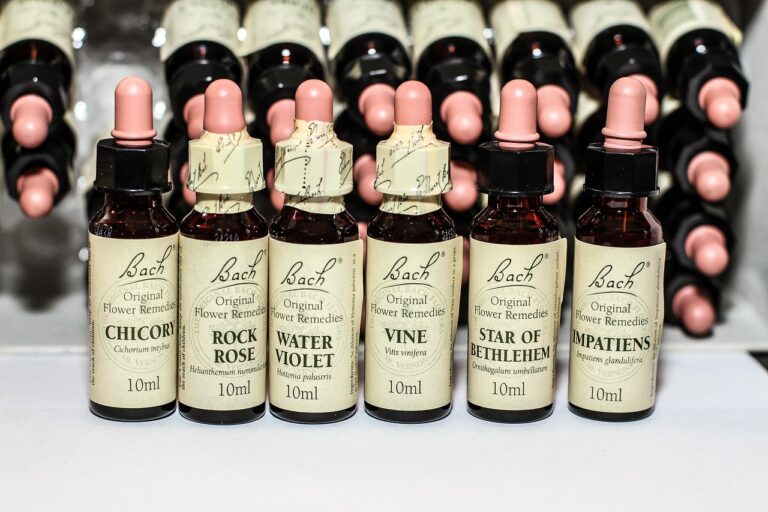
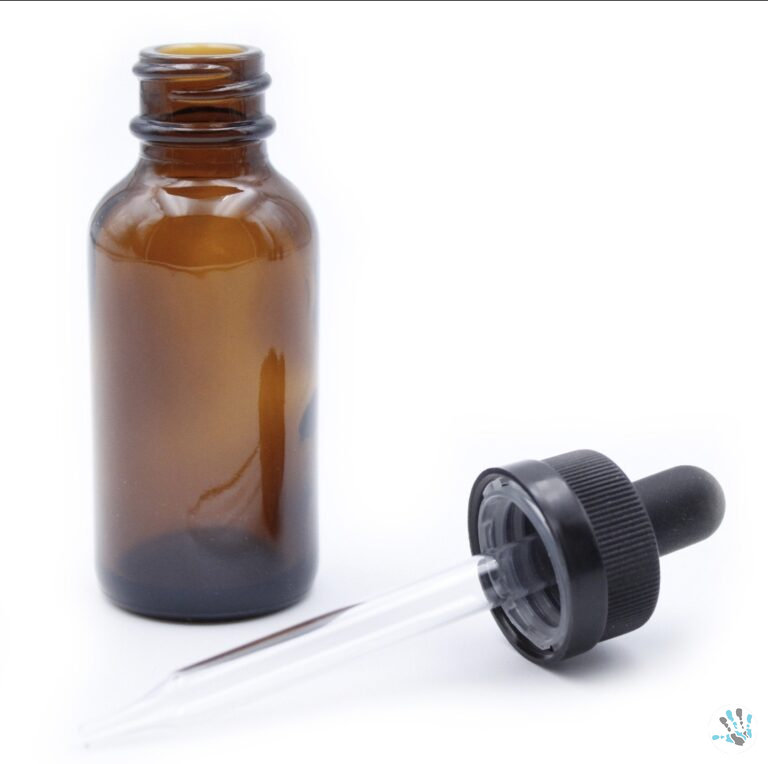
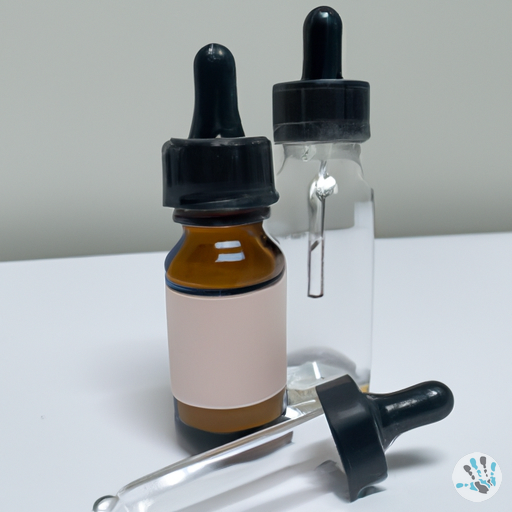
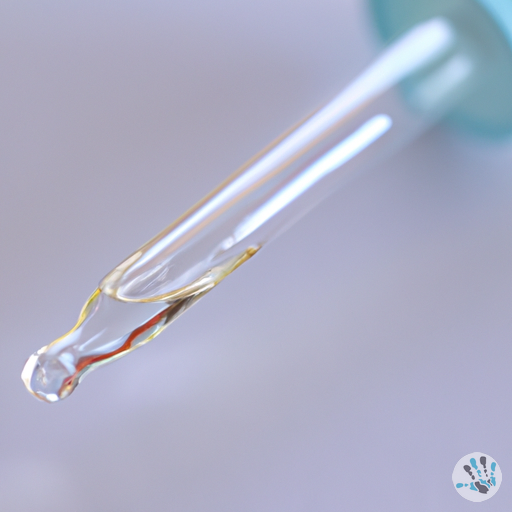
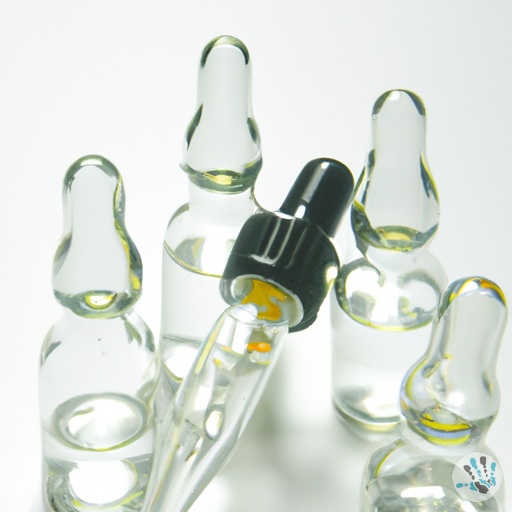
This is the most common format for small dropper bottles. It has three parts: a teat (the squeezable bulb), a collar that fixes it to the bottle neck, and a glass pipette that reaches into the liquid. The user squeezes the teat, lowers the pipette into the liquid and releases the teat to draw liquid up.
- Plain glass pipette: suited to products dosed in drops.
- Graduated glass pipette: has volume markings, so the user can see how much liquid has been drawn up.
The teat can be hard to clean thoroughly, so these droppers are normally kept with one bottle and one product.
Closure variants
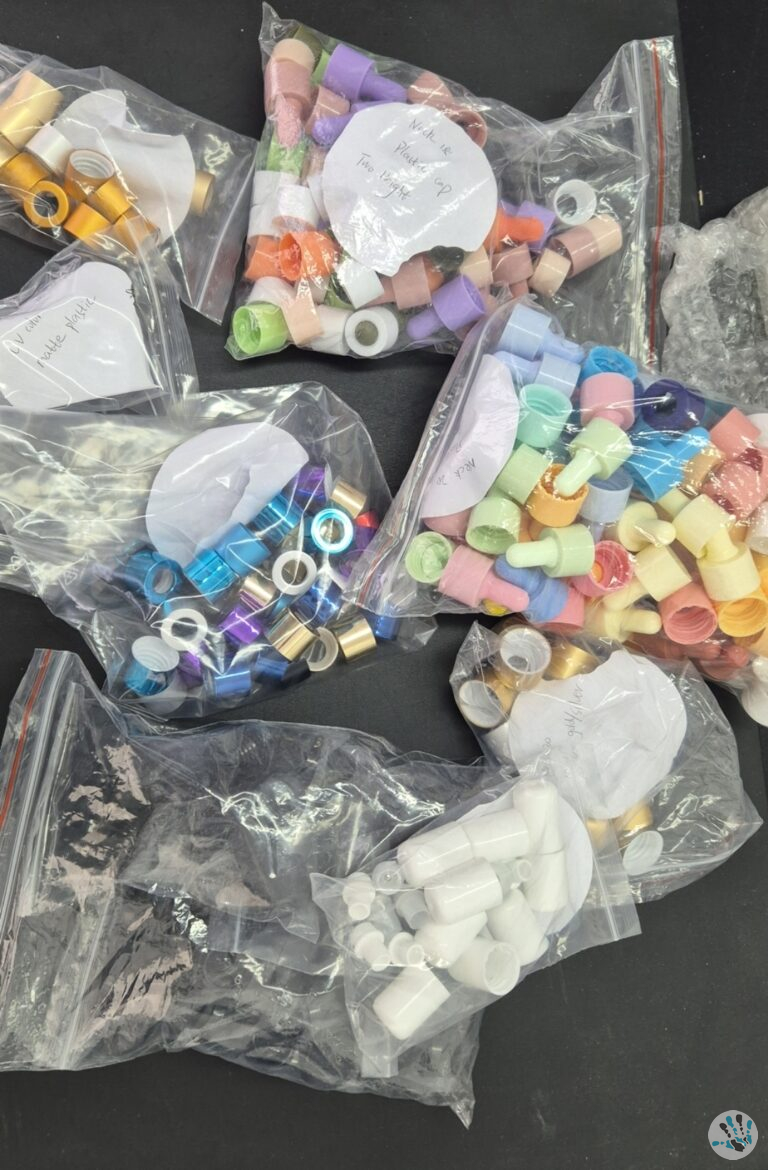
The collar determines how the dropper looks and which safety features it has. Our assembled DIN18 (GL18) droppers come in these versions:
- TE: tamper-evident, so the user can see whether the bottle has been opened.
- TE Plus: a tamper-evident version of the dropper.
- CRC/TE: child-resistant and tamper-evident.
- ALU and ALU Plus: available in gold, silver, rose and matte finishes, mainly chosen for appearance.
Other dosing aids
Some liquids are dosed with an oral syringe or a measuring cup instead of a pipette dropper. These are separate dosing devices rather than dropper types. They are worth considering when the dose is larger or must be measured more exactly than a dropper allows. A syringe with a needle is not a dropper and is not used for oral drops.
How to choose the right dropper
- Neck finish: the dropper must match the bottle. DIN18 (GL18) is a common neck standard for bottles of 5 to 100 ml.
- Pipette length: the pipette should reach close to the bottom of the bottle so that most of the liquid can be used.
- Dosing method: choose a graduated pipette if users need to read a volume, and a plain pipette if the dose is counted in drops.
- Safety features: decide whether you need a tamper-evident or child-resistant closure, and check the rules for your product and market.
- Compatibility: glass is generally resistant to most liquids, but teats and other parts can interact with some ingredients, such as essential oils, alcohol or solvents. Test the full assembly with your formulation before ordering larger quantities.
- Light protection: amber glass bottles reduce exposure to light, which matters for light-sensitive products.
Accuracy and hygiene
- Drop size depends on the liquid’s viscosity and surface tension and on how the dropper is held. The same dropper can deliver different drop volumes with different liquids.
- If the dose is critical, verify it with your own product and document the result. Do not rely only on the markings or the general design of the dropper.
- Avoid touching the pipette tip or letting it contact skin, eyes or other surfaces, as this can contaminate the contents.
- Do not return unused liquid from the pipette to the bottle.
Regulatory notes
Whether a packaging component is suitable for a medicinal product, a food supplement or a cosmetic depends on the applicable regulations and on your own product and stability testing. Check these requirements with your regulatory or quality department before choosing a packaging system.
Ordering from Packaging.si
We assemble droppers in Izola, Slovenia, and can combine a teat, collar and pipette to your specification on request. The minimum order is one carton of a product, and samples are available on request.