Droppers vs measuring spoons and cups for liquid dosing
Liquid products such as oral drops, tinctures and supplements are dosed with spoons, cups, droppers or syringes. Each tool has strengths and limits. This article compares them from a practical and packaging point of view. It is general information, not medical advice. Always follow the instructions that come with the product.
Why household spoons and cups are a weak measuring tool
- Variable volume: kitchen teaspoons and tablespoons differ in size, so a spoonful is not a fixed volume.
- Coarse markings: dosing cups often have wide graduations that are hard to read for small volumes.
- Reading errors: the liquid surface curves and the angle of view changes the reading.
- Spillage: pouring from the bottle into a spoon or cup makes small losses likely.
For this reason, dosing devices supplied with a product are generally preferred to household cutlery.
How a dropper or graduated pipette works
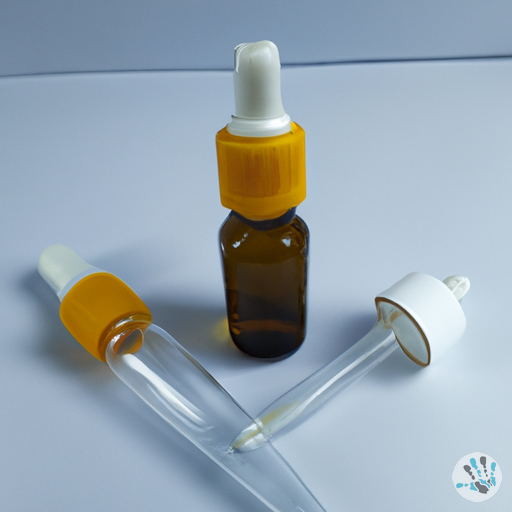
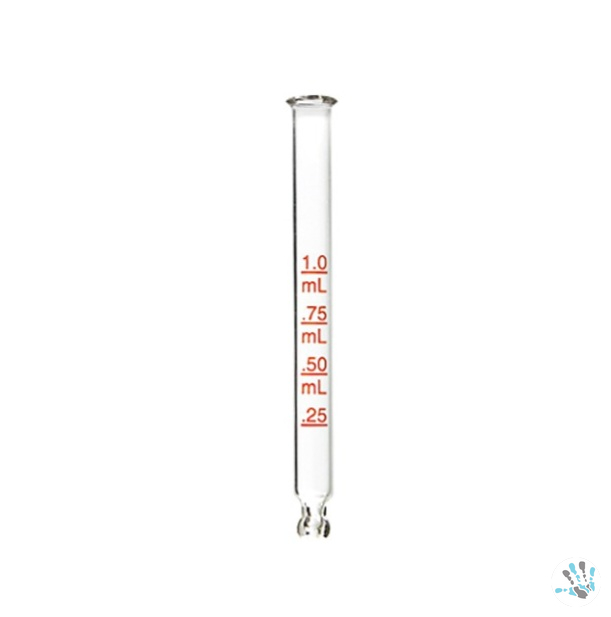
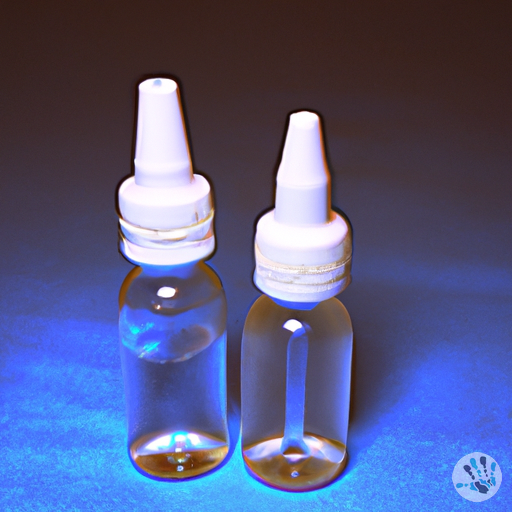
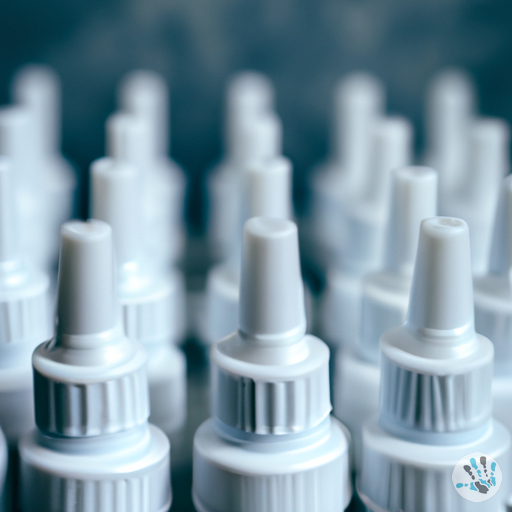
A dropper bottle combines a glass pipette, a rubber teat and a collar on a bottle neck. The user squeezes the teat, draws liquid into the pipette and releases it. A graduated pipette has volume marks on the glass, so the dose is read as a fill level. A plain pipette is typically used for dispensing by drops.
Advantages
- Small volumes: well suited to doses of a fraction of a millilitre up to a few millilitres.
- Controlled dispensing: the liquid goes directly from the bottle to the target, with less spillage.
- One-handed use: the bottle can be held in one hand and the teat squeezed with the other, or the reverse, without needing extra tools.
- Compact: the dosing device stays with the bottle and is always at hand.
Limitations
- Reading accuracy: the result depends on how clearly the graduations are printed and how carefully the pipette is held upright.
- Drop size: the size of a drop depends on the liquid’s viscosity and surface tension and on the angle of the pipette. Dosing by drops is only reliable when the product was designed and tested for it.
- Hygiene: a dropper is not disposable by design. The pipette should not touch the mouth or skin, and it should be wiped or cleaned as instructed for the product.
- Cleaning: glass pipettes can be rinsed, but the rubber teat is harder to clean thoroughly.
Quick comparison
- Household spoon: easy to find, but inconsistent volume and not recommended for precise doses.
- Dosing cup: suited to larger volumes, with limited accuracy at small volumes.
- Dropper or graduated pipette: suited to small volumes and direct dispensing, as long as graduations are clear and the instructions are followed.
- Oral syringe: often chosen where larger or very exact volumes are needed, and it is easy to read. It is a separate device, not part of a dropper closure.
No tool is best in every case. The right choice depends on the volume, the liquid, the user and the intended use of the product.
Points for brands and fillers
If you pack liquids in dropper bottles, a few choices affect how well the dosing works in practice:
- Pipette type: use a graduated pipette if the user must read a volume, and a plain pipette if the product is dispensed by drops.
- Teat and pipette fit: the teat must draw liquid reliably and be suitable for the formulation.
- Closure type: tamper-evident (TE) and child-resistant with tamper-evident (CRC/TE) versions are available for DIN18 (GL18) necks.
- Testing: check dosing with your own formulation, because the packaging supplier cannot define the dose for your product. Regulatory requirements for your product are your responsibility.
Packaging.si assembles DIN18 droppers for 5-100 ml bottles in Izola, Slovenia, and can combine teat, collar and pipette on request.
Browse DIN18 droppers and pipettes in our shop
Conclusion
Droppers and graduated pipettes are generally more suitable than household spoons for small liquid doses. They are not automatically exact, because accuracy depends on the graduations, the liquid and correct use. Use the dosing device provided with the product and follow its instructions.