Dropper Bottles for Supplements: Pipette and Scale Choices
Liquid food supplements are one of the most common uses for glass dropper bottles. Drops, tinctures, vitamin liquids and oil-based formulas all fit the format, and customers expect a dropper that is easy to use. Behind a simple-looking bottle sits a set of small decisions: bottle volume, neck finish, pipette length, scale, teat and closure. If one of them is wrong, you find out on the filling line or, worse, from customer complaints.
This guide is for buyers and product developers who source dropper bottles for supplements and want to specify the pipette side correctly.
Start with the bottle: volume and DIN18 neck
Most supplement dropper bottles use a DIN18 neck. That one dimension decides which pipettes, teats, collars and plugs can be used, so fix it first. A shared neck finish also lets you run one set of closure parts across several bottle sizes. Our DIN18/GL18 dropper bottles are the usual starting point for this.
Then decide on the volume. Typical sizes for supplements run from small trial formats up to larger bottles for long-term use. Think about:
- Daily serving volume. How many pipette fills or drops does one serving need?
- Intended use period. A bottle should last a sensible time for the user and fit your pricing logic.
- Shelf presentation. Bottle height changes with volume, which affects boxes, shelf space and shipping.

Why the pipette matters more than it looks
The pipette is the part that touches the product, measures it and reaches the bottom of the bottle. A pipette that is too short leaves liquid unreachable at the end of the bottle. One that is too long can press against the bottle base, bend the teat angle or make it hard to close the cap. For that reason, each bottle volume has a matching pipette length.
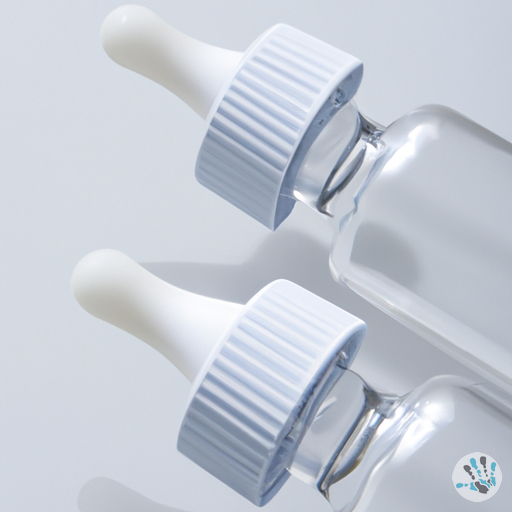
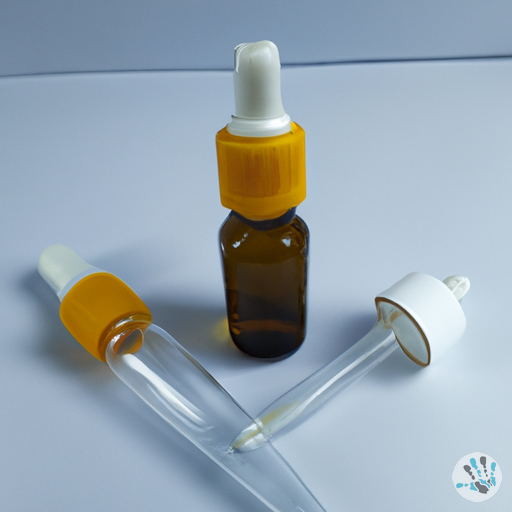
Our GraduFlow graduated glass pipettes are straight-tip pipettes with printed measurement marks, designed for DIN18 dropper bottles. They come in lengths matched to common bottle volumes:
| Bottle volume | Pipette length (straight tip) |
|---|---|
| 5 ml | 48 mm |
| 10 ml | 58 mm |
| 15 ml | 63 mm |
| 20 ml | 70 mm |
| 30 ml | 77 mm |
| 50 ml | 90 mm |
| 100 ml | 108 mm |
As a reference, the 77 mm graduated pipette for 30 ml bottles is a common choice for supplement oils and drops. Always test a sample on your actual bottle before you order cartons, because bottle inner height can vary between designs.
Graduated scale: what it does for a supplement product
A printed scale lets the user see how much liquid has been drawn into the pipette. For supplements, that is useful when the label tells the customer to take a measured amount rather than a number of drops. It also reduces guesswork for formulas that are thick or that form uneven drops.
Before you put a pipette scale into your instructions, check these points:
- Which marks the pipette carries. Confirm the printed marks match the serving instruction on your label. Ask us for the exact scale layout of the item you plan to use.
- Whether you need the scale at all. If your product is dosed by drops only, a scale may be unnecessary, though it can still help the customer see the filled level.
- Your own verification. The scale is a visual guide. If your label gives a specific amount, verify it with your own product in your own bottles, since viscosity and teat size influence what is drawn.
If you are comparing oil-based and water-based formulas, remember that liquids behave differently in a glass pipette. Thin water-based drops, tinctures and glycerin blends all draw and release in their own way, so test each formula rather than assuming one pipette setup suits them all.

Match the teat and the closure to the formula
The pipette is only one part of the assembled dropper. For supplements, check the others as well:
- Teat material. Oils, alcohol-based tinctures and flavored liquids can affect rubber and elastomer parts differently. Test the teat with your formula, especially if you plan a long shelf life.
- Teat size. A larger teat draws more liquid into the pipette. Make sure the pipette capacity and the teat size work together, so the pipette does not overfill and drip.
- Collar and finish. Aluminium collars suit premium products, while other collar types suit simpler ranges. Choose the finish that fits your brand.
- Tamper evidence. Many supplement brands add a tamper-evident ring so the customer can see the bottle has not been opened. Browse our tamper-evident droppers if this is part of your specification.
If the product could be accessed by children, check the rules for your market and product type, and consider child-resistant closures. Your regulatory adviser should confirm what applies to your product.
Practical checks before you order
1. Request samples and fit them
Assemble samples on your bottles. Check that the pipette tip sits just above the bottle base, that the teat seats properly in the collar and that the cap closes without pressing on the pipette.
2. Fill and test the formula
Fill samples with the real formula, not water. Draw and dispense several times. Look for dripping from the tip, slow release and air bubbles in the pipette.
3. Check the filling line flow
Think about how the pipettes will be handled. Glass parts need careful handling, and loose pipettes in bulk bags can chip at the tip if packed carelessly. Plan the sequence of fill, insert, close and inspect on your line.
4. Ask for documentation
Supplement brands usually keep a file for each packaging component. Ask what technical documents are available for the pipettes, bottles and closures you plan to use, and request them before you finalize your specification.
5. Plan your range around shared parts
If you sell the same formula in several sizes, the DIN18 neck lets you keep the same teat and collar across the range. Only the bottle and pipette length change. This simplifies purchasing and storage.
Common mistakes with supplement dropper bottles
- Choosing a pipette length by guess instead of testing it in the bottle.
- Assuming the printed scale equals the serving on the label without verification.
- Testing with water only, then switching to a thick oil or alcohol-based formula.
- Ordering the full carton quantity before a fit and fill trial.
- Leaving out the tamper-evident or child-resistant decision until the label design is final.
FAQ
Which pipette length fits a 30 ml supplement bottle?
Our 77 mm graduated pipette is listed for 30 ml DIN18 dropper bottles. Fit a sample on your bottle first, since bottle inner height can differ between designs.
Do I need a graduated pipette for supplements?
Not always. If your label specifies a measured amount, a printed scale gives the user a visual reference. If the product is dosed by drops, a scale is optional.
Can I use the same teat and collar across bottle sizes?
Yes, if the bottles share the DIN18 neck. You then change only the bottle and the pipette length for each size.
Are tamper-evident closures available for supplement droppers?
Yes. We offer tamper-evident droppers in several designs. Choose the one that suits your brand and your market’s requirements.
Ready to build your supplement dropper range? Browse the shop or contact us to request samples and advice on pipette length, scale and closure combinations.