FortiLock DIN18 Caps: Choosing Between PP and Wooden
A cap is the last component a customer touches before opening a bottle, and the first one they notice on the shelf. For DIN18 (GL18) bottles, our FortiLock range covers two quite different directions: ribbed polypropylene (PP) screw caps with a tamper-evident ring, and a natural wooden cap with a PP inner thread. This guide explains how they differ and how to choose between them. It also covers what to check before you commit to a full carton order.
What the FortiLock range includes
The Caps “FortiLock” category currently holds four screw caps, all made for DIN18 (GL18) bottle necks:
- Black prominent tamper-evident ribbed cap, PP
- Black recessed tamper-evident ribbed cap, PP
- White prominent tamper-evident ribbed cap, PP
- Wooden cap with PP DIN18 thread, natural wood outside, PP thread inside
The three PP caps share a ribbed outer surface and a tamper-evident ring. They differ in color and in how the ring sits: prominent or recessed. The wooden cap has no tamper-evident ring in the product data, which matters for some product types, as discussed below.

Start with the product, not the look
Buyers often pick a cap by color first. It is more reliable to start with three questions about the filled product.
1. Does the product need visible tamper evidence?
For CBD oils, food supplements and many pharmaceutical-adjacent products, a visible tamper-evident ring is often expected by retailers and customers. Requirements vary by market and product type, so check what applies to your product with your regulatory adviser. If tamper evidence is on your list, the three PP caps are the relevant options. If you need a dropper with tamper evidence rather than a plain cap, see our Tamper Evident Droppers “TE”.
2. Is the cap closing a dropper or a plain bottle?
A plain screw cap closes a bottle that is filled and sealed, such as a serum, a tincture sold with a separate measure, or a sample. A dropper assembly has its own collar, teat and pipette. Make sure you know which closure the bottle actually receives in your design, so you do not order caps that duplicate or conflict with other parts.
3. What does the brand look need to say?
Black reads as technical and premium, white as clean and pharmacy-like, and wood as natural and handmade. These are branding choices, but they should match the contents and the label design.
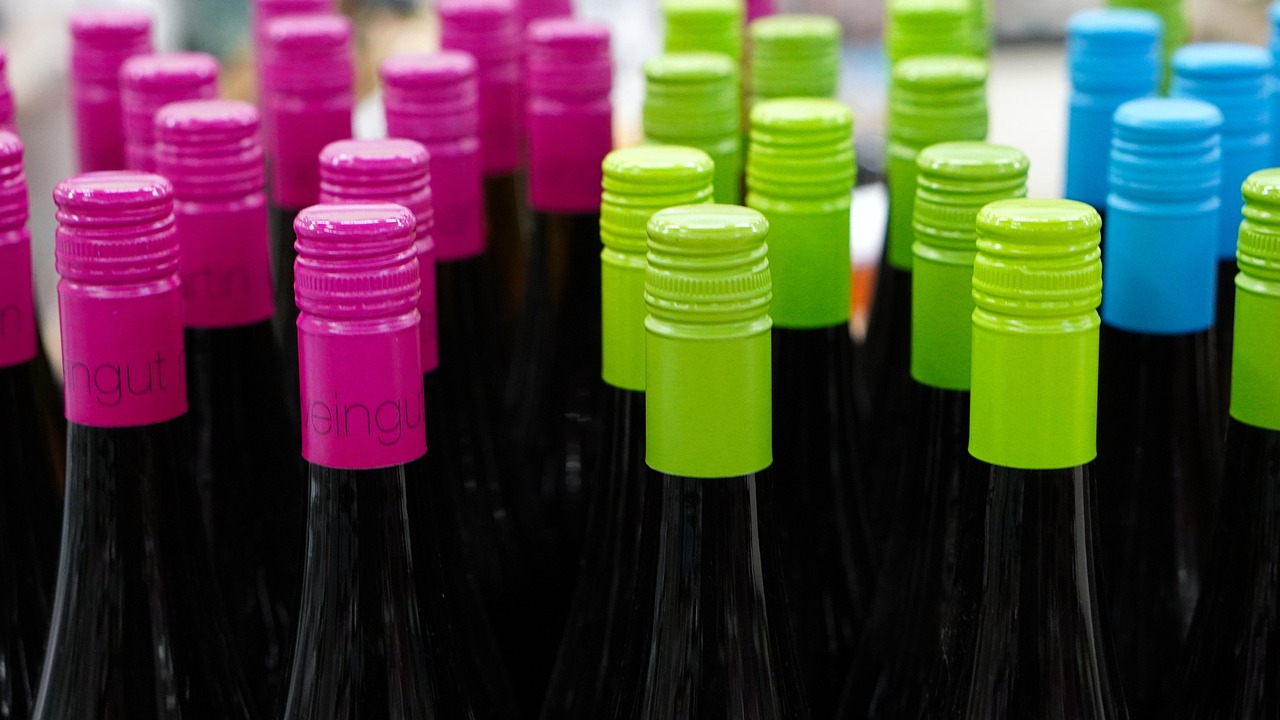
PP tamper-evident ribbed caps
PP is a common cap material for oils, serums and supplements. It is light and molds cleanly, and it takes a ribbed texture well. The ribbing gives your fingers grip, which is useful for small-diameter closures that customers open and close many times.
Prominent vs recessed ring
The two ring styles change both the look and the handling:
- Prominent ring: the ring stands out visually from the cap skirt. Customers see the seal at a glance, and it is easy to check on a packing line.
- Recessed ring: the ring sits in line with, or tucked into, the cap profile for a smoother, more compact silhouette. It looks cleaner on premium designs, but is a little less obvious to the eye.
We have a separate comparison of the two styles in our article on recessed and prominent caps. Here the short version is: choose prominent when visibility of the seal is a selling point, and recessed when silhouette matters more.
Black or white
Black is available in both ring styles. White is available with the prominent ring. If you want to combine white caps with amber glass, the contrast is strong and the label stays easy to read. Black on amber is more subdued. For a range with several sizes, using one cap color across all of them keeps the family consistent and simplifies purchasing.
The wooden cap with PP thread
The wooden cap with PP DIN18 thread pairs a natural wooden exterior with a plastic inner thread. The PP thread is the part that engages the glass neck, so the closure screws on the way a standard cap does.
What to expect from natural wood
- Natural variation. Grain, tone and small marks differ from cap to cap. This is part of the appeal, but it means a batch will never look perfectly uniform. Tell your design team early.
- Surface feel. Wood feels warmer and less uniform than molded plastic. Handle caps with clean, dry hands so they do not pick up marks during assembly.
- Moisture and cleaning. Avoid soaking wooden parts or exposing them to harsh cleaners. Store them dry. If your product may splash onto the cap during filling, wipe the neck before capping.
Where it fits best
Wooden caps suit natural cosmetics, essential oil blends, hair and beard oils, and gift or small-batch lines where the packaging is part of the story. If the product requires a visible tamper-evident ring, this is not the right cap and you should use one of the PP versions instead.
Quick comparison
| Cap | Material | Tamper-evident ring | Typical fit |
|---|---|---|---|
| Black prominent ribbed | PP | Yes, prominent | Supplements, CBD, technical look |
| Black recessed ribbed | PP | Yes, recessed | Premium, smooth silhouette |
| White prominent ribbed | PP | Yes, prominent | Clean, pharmacy-style look |
| Wooden with PP thread | Wood outside, PP thread inside | Not in product data | Natural cosmetics, gift lines |
Check the neck before you order
All four caps are made for DIN18 (GL18) bottles. That helps, but glass necks have tolerances, and thread fit should be confirmed on your own bottles. Before ordering a full carton:
- Request samples and test them on the exact bottle you plan to use.
- Screw a cap on and off several times. It should engage smoothly without cross-threading or wobble.
- Look at the tamper-evident ring after first opening. It should show clearly that the cap has been opened.
- Leave filled sample bottles on their side and upright for a period that suits your product, then check for seepage.
- Test with your real liquid, since oils, alcohol-based formulas and essential oils can behave differently with plastics.
Our DIN18/GL18 dropper bottles are a natural match for these caps. If you are sourcing bottles elsewhere, check the neck finish against the DIN18 designation and test fit as described above.
Line and handling tips
- Keep caps clean and dry. Store cartons closed until use to reduce dust on the inner surface.
- Set capping pressure gradually. Start gently and increase until the cap is secure. Over-tightening can deform the tamper-evident ring or mark a wooden surface.
- Do not mix cap batches on one run. Slight variations between lots can show up in feel and appearance.
- Inspect a sample at intervals. Check ring integrity and cap alignment on the line, not only at final QC.
FAQ
Do all FortiLock caps have a tamper-evident ring?
The three black and white PP ribbed caps do. The wooden cap with PP DIN18 thread does not list a tamper-evident ring in its product data.
Which bottle necks do these caps fit?
All four are designed for DIN18 (GL18) bottles. We recommend testing samples on your own bottles before a full order.
Can I use a wooden cap for oils?
Wooden caps are often used for oils and cosmetics, but compatibility depends on your formula and bottle. Test with the real product, and wipe the neck during filling so liquid does not sit on the wood.
Should I choose a prominent or recessed ring?
Choose prominent if you want the seal to be clearly visible. Choose recessed if you prefer a smoother cap profile and the seal visibility is less of a priority.
Ready to compare the caps in person? Browse the shop or contact us to ask for samples or advice on matching caps to your bottles.