DIN18-Teile-Kompatibilitäts-Checkliste für Tropfer- und Roll-on-Verschlüsse
Ein Tropfer- oder Roll-on-Verschluss besteht selten aus einem einzelnen Teil. Er ist ein kleines System: Flaschenhals, Stopfen oder Wiper, Kappe oder Collar, Pipettenhütchen, Pipette oder Kugel. Jedes Teil kann für sich genommen einwandfrei sein und in Kombination dennoch versagen. Das Ergebnis ist eine Kappe, die nicht sitzt, eine Pipette, die den Boden berührt, oder ein Stopfen, der sich nach dem Transport lockert.
Diese Checkliste richtet sich an Einkäufer, Produktentwickler und Produktionsleiter, die die Kompatibilität zuerst auf dem Papier und danach an einem Muster bestätigen möchten. Sie konzentriert sich auf die DIN18-Halsausführung, mit der wir am häufigsten arbeiten, sowie auf die Teile in unserem Teile & Komponenten .
Warum es zu Kompatibilitätsproblemen kommt
Die häufigsten Ursachen sind einfach:
- Teile werden bei verschiedenen Lieferanten bestellt, und niemand vergleicht sie direkt miteinander.
- Die Halsausführung wird angenommen statt bestätigt (zum Beispiel wird “18 mm” als überall gleich bedeutend verstanden).
- Ein Bauteil wird aus optischen Gründen getauscht, etwa eine neue Kappenfarbe, ohne die Passform erneut zu prüfen.
- Das Produkt ändert sich (ein dickeres Öl, eine flüchtigere Mischung), der Verschluss bleibt aber gleich.
Keine dieser Ursachen ist schwer zu vermeiden. Sie erfordern lediglich eine feste Reihenfolge der Prüfschritte.
Schritt 1: Halsausführung bestätigen
Beginnen Sie mit der Flasche. Notieren Sie die Halsausführung so, wie sie in der Flaschenspezifikation angegeben ist, nicht wie in der Erinnerung. Bei DIN18-Flaschen müssen alle Verschlussteile für dieselbe Ausführung spezifiziert sein. Wenn Sie eine abweichende oder kundenspezifische Halsform verwenden, geben Sie dies in Ihrer Anfrage an, da Standardteile unter Umständen nicht passen.
Notieren Sie außerdem, wie der Verschluss abdichten soll. Manche Verschlüsse dichten am Halsrand ab, manche durch einen inneren Stopfen, der in die Bohrung drückt, und manche durch beides. Dies beeinflusst, welche Teile Sie benötigen und wie sie zusammenwirken.
Zu erfassen
- Halsausführungsbezeichnung (DIN18 oder andere)
- Flaschenvolumen und Glasfarbe
- Flaschenhöhe, die für die Pipettenlänge maßgeblich ist
- Ob die Flasche für einen Stopfen, eine Tropfereinheit oder einen Sprüher vorgesehen ist
Schritt 2: Zuerst die Dosierfunktion festlegen
Legen Sie vor der Wahl von Farbe oder Oberfläche fest, wie das Produkt die Flasche verlässt. Die Funktion bestimmt die Teileliste:
- Tropfenweise Dosierung: Pipettenhütchen, Collar und Pipette.
- Kontrolliertes Ausgießen oder Ausgussreduzierung: ein innerer Stopfen oder Wiper plus eine Kappe.
- Auftragen auf die Haut entlang einer Fläche: ein Roll-on-Stopfen mit Kugel und Kappe.
- Feiner Sprühnebel: ein Sprüher-Aufsatz.
Wenn Sie noch zwischen Formaten schwanken, behandelt unser Artikel zur Auswahl eines DIN18-Stopfens nach Anwendung diesen Vergleich. Hier gehen wir davon aus, dass die Funktion bereits feststeht, und konzentrieren uns darauf, dass die Teile zusammenpassen.

Schritt 3: Jedes Bauteil mit seinen Nachbarn abgleichen
Die folgende Tabelle zeigt, worauf jedes Teil abgestimmt sein muss und welcher Fehler am häufigsten auftritt.
| Bauteil | Muss übereinstimmen mit | Häufiger Fehler |
|---|---|---|
| Flasche | Halsausführung, Höhe, Volumen | Annahme der Ausführung ohne Prüfung der Spezifikation |
| Stopfen oder Wiper | Flaschenbohrung und die darüber liegende Kappe | Kappe wird gewechselt, ohne den Stopfensitz erneut zu prüfen |
| Kappe oder Collar | Halsgewinde und das darunterliegende Pipettenhütchen oder der Stopfen | Eine Ausführung nur aus optischen Gründen bestellen |
| Gummihütchen | Collar-Öffnung und Pipettenkopf; Produktverträglichkeit | Den Einfluss des Produkts auf das Material ignorieren |
| Pipette | Flaschenhöhe und Passform des Pipettenhütchens | Pipette zu lang oder zu kurz für die Flasche |
| Roll-on-Kugelstopfen | Flaschenhals und Viskosität der Füllung | Testing with water instead of the real product |
Step 4: Think about the product, not just the parts
Your formulation is part of the system. Oils, alcohol-based blends, essential oils and water-based serums behave differently against plastics and elastomers. Before approving a combination, ask:
- Is the teat material suitable for the liquid you fill? NBR, silicone and TPE respond differently to different liquids, so test with your actual formula.
- Does the product contain strong solvents or fragrance components that may soften or swell plastic parts?
- Is the liquid thin enough to leak around a plug, or thick enough to flow poorly through a roll-on ball seat?
We do not state chemical resistance data unless it is in the product specification, so the practical answer is always to run a compatibility test with your own product and your chosen parts.
Step 5: Roll-on sets, a worked example
Roll-on sets show why a combined check matters. A set such as the steel ball roll-on plug for DIN18 bottles with a transparent plug and black PP screw cap brings together a stainless steel ball, a transparent plug and a screw cap. The plug holds the ball and seats in the neck, and the cap closes over it.
Before ordering a carton, check:
- That the bottle is a DIN18 finish.
- That the fill is suitable for a ball applicator. Very thin liquids may run more freely than you want.
- That the cap color suits the bottle and label design. The same set is offered with different cap colors, so match it to your artwork early.
- That the cap closes fully and feels consistent across several units, not only one sample.
Unsere GuardSeal plug range lists the other plug types if a roll-on is not the right format for your product.
Step 6: Check pipette and bottle height together
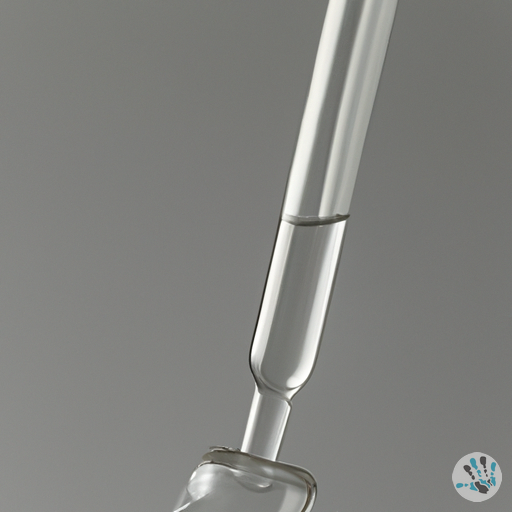
Pipettes are the part most often mismatched to the bottle. If the tip rests on the bottom, it can limit draw-up and make the last portion of product hard to reach. If it is too short, the tube may not reach the liquid as the level drops. Always measure the sealed assembly with the bottle upright rather than comparing two numbers on paper. Our Glaspipetten are available in more than one format, so pick based on the bottle you actually use.
Step 7: Run a small pilot before the full order
A short pilot catches most of what a spec sheet cannot. A reasonable routine:
- Assemble five to ten complete units with the exact parts you plan to order.
- Fill them with the real product, not a stand-in.
- Cap with the torque or pressure your line will use.
- Store some upright and some on their sides for a few days, then inspect for seepage at the neck.
- Dispense from each unit and check that the function is consistent.
- Ship a few units in your normal carton and check them again on arrival.
Record the results with part descriptions, so a reorder months later uses the same combination.
Keep a simple parts record
Once a combination works, document it. A one-page record is enough:
- Bottle description and neck finish
- Every component with its description and color
- Fill product and batch used in the test
- Date of the test and the person who approved it
When any part changes, repeat the pilot. It takes a short time compared with the cost of a recalled batch.
FAQ
Are all DIN18 parts interchangeable?
They are designed around the same neck finish, but you should still confirm fit with a sample. Differences in plug design, collar shape and cap style can affect how parts work together.
Can I change only the cap color on an existing assembly?
Usually yes if the cap model stays the same, but check that the new batch seats and seals the same way. If the cap style changes, treat it as a new combination and test it.
Should I test with water or my actual product?
Use your actual product. Viscosity, solvents and fragrance components can change how a plug seals, how a ball rolls and how an elastomer behaves.
Kann ich Muster erhalten, bevor ich einen Karton bestelle?
Yes. Contact us with your bottle details and intended use, and we can advise on a combination and arrange samples where available.
Ready to compare parts? Shop durchstöbern or contact us for samples and advice on a DIN18 combination that fits your product.