Lista de verificación de compatibilidad de piezas DIN18 para cuentagotas y roll-ons
Un cierre de cuentagotas o roll-on rara vez es una sola pieza. Es un sistema pequeño: cuello del frasco, tapón o reductor de orificio, tapa o collarín, tetina, pipeta o bola. Cada pieza puede ser perfectamente correcta por sí sola y aun así fallar en combinación. El resultado es una tapa que no asienta, una pipeta que toca el fondo o un tapón que se afloja después del transporte.
Esta lista de verificación está pensada para compradores, responsables de desarrollo de producto y jefes de producción que quieren confirmar la compatibilidad primero sobre el papel y después en una muestra. Se centra en el acabado de cuello DIN18, que es el estándar con el que más trabajamos, y en las piezas de nuestra Piezas y componentes .
Por qué se producen problemas de compatibilidad
Las causas más comunes son sencillas:
- Las piezas se piden a distintos proveedores y nadie las compara lado a lado.
- El acabado del cuello se da por supuesto en lugar de confirmarse (por ejemplo, que “18 mm” signifique lo mismo en todas partes).
- Se cambia un componente por motivos estéticos, como un nuevo color de tapa, sin volver a comprobar el ajuste.
- El producto cambia (un aceite más espeso, una mezcla más volátil) pero el cierre sigue siendo el mismo.
Ninguna de estas causas es difícil de prevenir. Solo necesitan un orden fijo de comprobaciones.
Paso 1: Confirmar el acabado del cuello
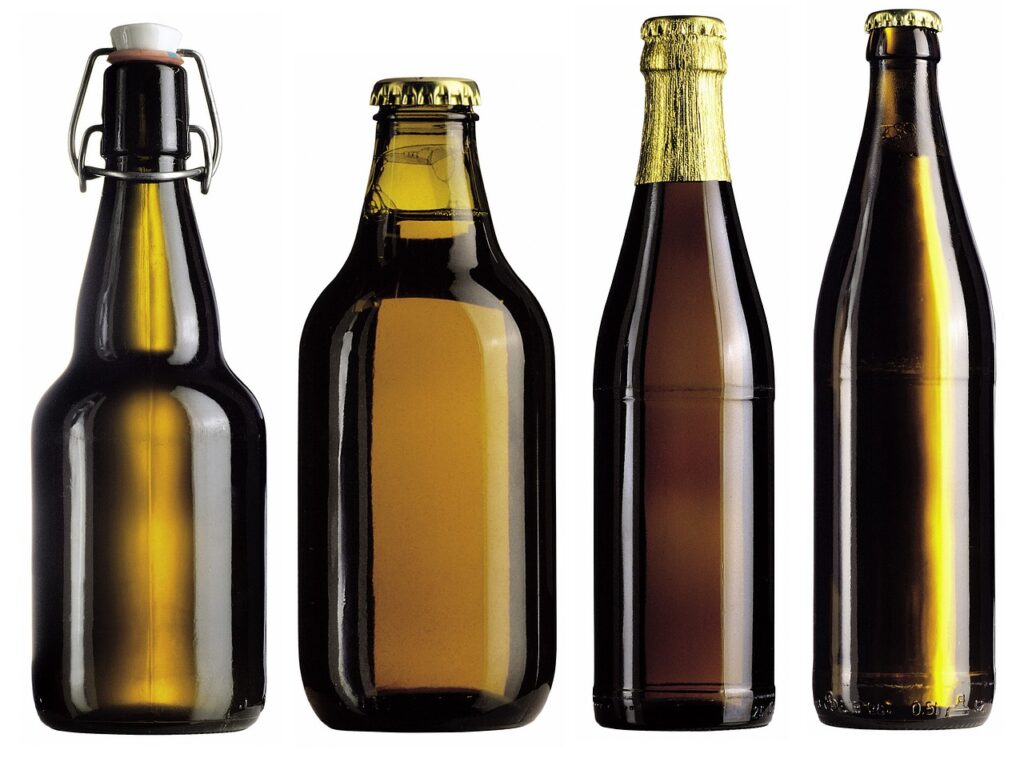
Empiece por el frasco. Anote el acabado del cuello tal como figura en la especificación del frasco, no según lo que recuerde. En los frascos DIN18, todas las piezas del cierre deben especificarse para el mismo acabado. Si utiliza un cuello diferente o personalizado, indíquelo en su solicitud, ya que las piezas estándar podrían no encajar.
Anote también cómo está previsto que cierre el cierre. Algunos cierres sellan en el borde del cuello, otros mediante un tapón interior que presiona en el orificio, y otros con ambos sistemas. Esto afecta a qué piezas necesita y a cómo interactúan.
Qué registrar
- Designación del acabado de cuello (DIN18 u otro)
- Volumen del frasco y color del vidrio
- Altura del frasco, que es importante para la longitud de la pipeta
- Si el frasco está destinado a un tapón, a un conjunto cuentagotas o a un pulverizador
Paso 2: Elegir primero la función de dosificación
Decida cómo sale el producto del frasco antes de elegir cualquier color o acabado. La función determina la lista de piezas:
- Dosificación gota a gota: tetina, collarín y pipeta.
- Vertido controlado o reducción de orificio: un tapón interior o reductor de orificio más una tapa.
- Aplicación sobre la piel a lo largo de una superficie: un tapón roll-on con bola y tapa.
- Pulverización fina: un adaptador para pulverizador.
Si todavía está decidiendo entre formatos, nuestro artículo sobre cómo elegir un tapón DIN18 según el uso cubre esa comparación. Aquí asumimos que la función ya está elegida y nos centramos en que las piezas encajen entre sí.

Paso 3: Comprobar cada componente con sus vecinos
La tabla siguiente indica con qué debe coincidir cada pieza y el error que vemos con más frecuencia.
| Componente | Debe coincidir con | Error común |
|---|---|---|
| Frasco | Acabado del cuello, altura, volumen | Dar por supuesto el acabado sin comprobar la especificación |
| Tapón o reductor de orificio | Orificio del frasco y la tapa que lo cubre | Cambiar la tapa sin volver a probar el asiento del tapón |
| Tapa o collarín | Rosca del cuello y la tetina o tapón situado debajo | Pedir un acabado solo por estética |
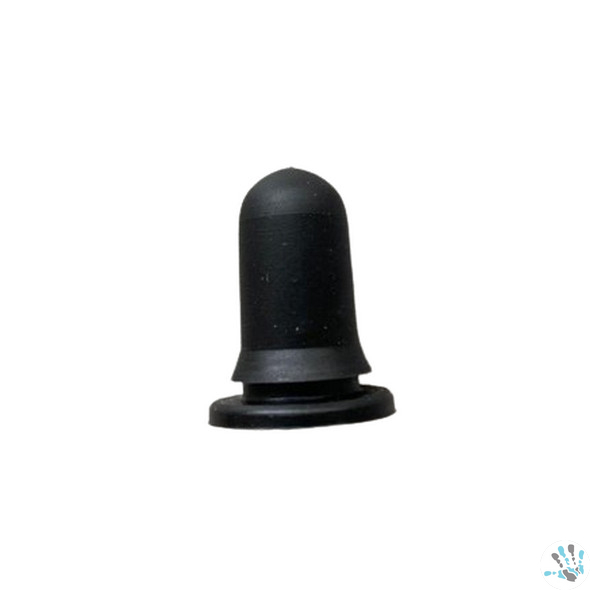
| Tetina | Abertura del collarín y parte superior de la pipeta; compatibilidad con el producto | Ignorar cómo afecta el producto al material |
| Pipeta | Altura del frasco y ajuste de la tetina | Pipeta demasiado larga o demasiado corta para el frasco |
| Tapón roll-on con bola | Cuello del frasco y viscosidad del llenado | Testing with water instead of the real product |
Step 4: Think about the product, not just the parts
Your formulation is part of the system. Oils, alcohol-based blends, essential oils and water-based serums behave differently against plastics and elastomers. Before approving a combination, ask:
- Is the teat material suitable for the liquid you fill? NBR, silicone and TPE respond differently to different liquids, so test with your actual formula.
- Does the product contain strong solvents or fragrance components that may soften or swell plastic parts?
- Is the liquid thin enough to leak around a plug, or thick enough to flow poorly through a roll-on ball seat?
We do not state chemical resistance data unless it is in the product specification, so the practical answer is always to run a compatibility test with your own product and your chosen parts.
Step 5: Roll-on sets, a worked example
Roll-on sets show why a combined check matters. A set such as the steel ball roll-on plug for DIN18 bottles with a transparent plug and black PP screw cap brings together a stainless steel ball, a transparent plug and a screw cap. The plug holds the ball and seats in the neck, and the cap closes over it.
Before ordering a carton, check:
- That the bottle is a DIN18 finish.
- That the fill is suitable for a ball applicator. Very thin liquids may run more freely than you want.
- That the cap color suits the bottle and label design. The same set is offered with different cap colors, so match it to your artwork early.
- That the cap closes fully and feels consistent across several units, not only one sample.
Nuestras GuardSeal plug range lists the other plug types if a roll-on is not the right format for your product.
Step 6: Check pipette and bottle height together
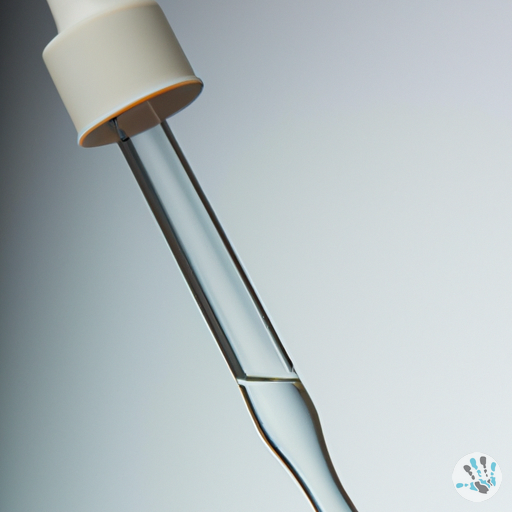
Pipettes are the part most often mismatched to the bottle. If the tip rests on the bottom, it can limit draw-up and make the last portion of product hard to reach. If it is too short, the tube may not reach the liquid as the level drops. Always measure the sealed assembly with the bottle upright rather than comparing two numbers on paper. Our pipetas de vidrio are available in more than one format, so pick based on the bottle you actually use.
Step 7: Run a small pilot before the full order
A short pilot catches most of what a spec sheet cannot. A reasonable routine:
- Assemble five to ten complete units with the exact parts you plan to order.
- Fill them with the real product, not a stand-in.
- Cap with the torque or pressure your line will use.
- Store some upright and some on their sides for a few days, then inspect for seepage at the neck.
- Dispense from each unit and check that the function is consistent.
- Ship a few units in your normal carton and check them again on arrival.
Record the results with part descriptions, so a reorder months later uses the same combination.
Keep a simple parts record
Once a combination works, document it. A one-page record is enough:
- Bottle description and neck finish
- Every component with its description and color
- Fill product and batch used in the test
- Date of the test and the person who approved it
When any part changes, repeat the pilot. It takes a short time compared with the cost of a recalled batch.
Preguntas frecuentes
Are all DIN18 parts interchangeable?
They are designed around the same neck finish, but you should still confirm fit with a sample. Differences in plug design, collar shape and cap style can affect how parts work together.
Can I change only the cap color on an existing assembly?
Usually yes if the cap model stays the same, but check that the new batch seats and seals the same way. If the cap style changes, treat it as a new combination and test it.
Should I test with water or my actual product?
Use your actual product. Viscosity, solvents and fragrance components can change how a plug seals, how a ball rolls and how an elastomer behaves.
¿Puedo obtener muestras antes de pedir una caja?
Yes. Contact us with your bottle details and intended use, and we can advise on a combination and arrange samples where available.
Ready to compare parts? Explorar la tienda or contact us for samples and advice on a DIN18 combination that fits your product.