Kontrolni popis usklađenosti DIN18 dijelova za kapaljke i roll-on pakiranja
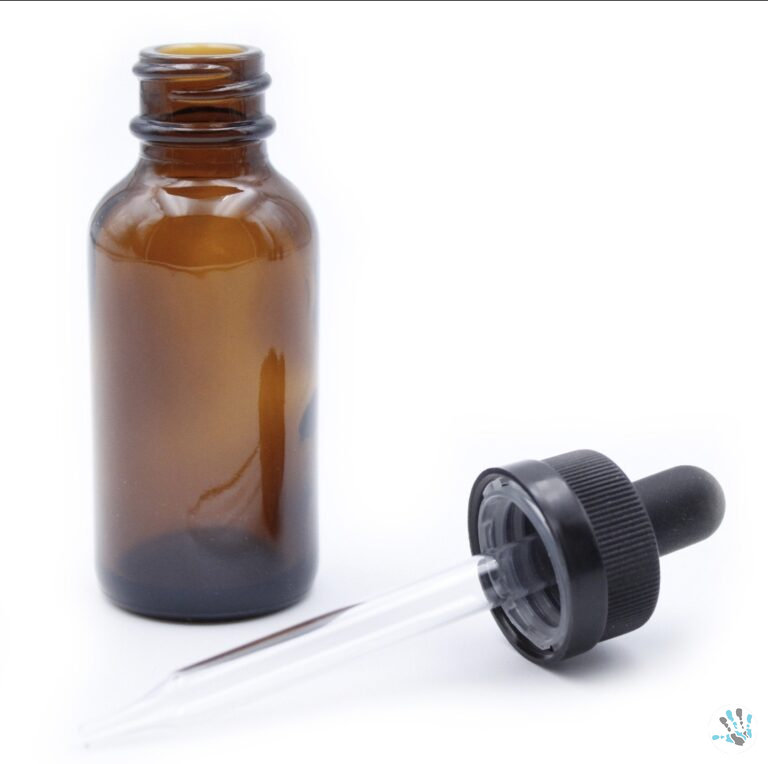
Zatvarač kapaljke ili roll-on rijetko je jedan dio. To je mali sustav: grlo bočice, čep ili reduktor, kapica ili ovratnik, mešiček, pipeta ili kuglica. Svaki dio može biti savršen sam za sebe i ipak zakazati u kombinaciji. Rezultat je kapica koja ne sjeda, pipeta koja dodiruje dno ili čep koji se nakon transporta labavi.
Ovaj kontrolni popis namijenjen je kupcima, razvojnim timovima i voditeljima proizvodnje koji žele prvo na papiru, a zatim na uzorku potvrditi usklađenost. Usredotočen je na završnu obradu grla DIN18, koja je standard s kojim najviše radimo, i na dijelove u našoj Dijelovi i komponente .
Zašto nastaju problemi s usklađenošću
Najčešći uzroci su jednostavni:
- Dijelovi se naručuju od različitih dobavljača i nitko ih ne uspoređuje jedan uz drugi.
- Završna obrada grla pretpostavlja se umjesto da se potvrdi (primjerice, “18 mm” shvaća se kao isto svugdje).
- Komponenta se zamjenjuje iz estetskih razloga, primjerice nova boja kapice, bez ponovne provjere pristajanja.
- Proizvod se mijenja (gušće ulje, hlapljivija smjesa), ali zatvarač ostaje isti.
Ništa od toga nije teško spriječiti. Potreban je samo fiksni redoslijed provjera.
Korak 1: Potvrdite završnu obradu grla
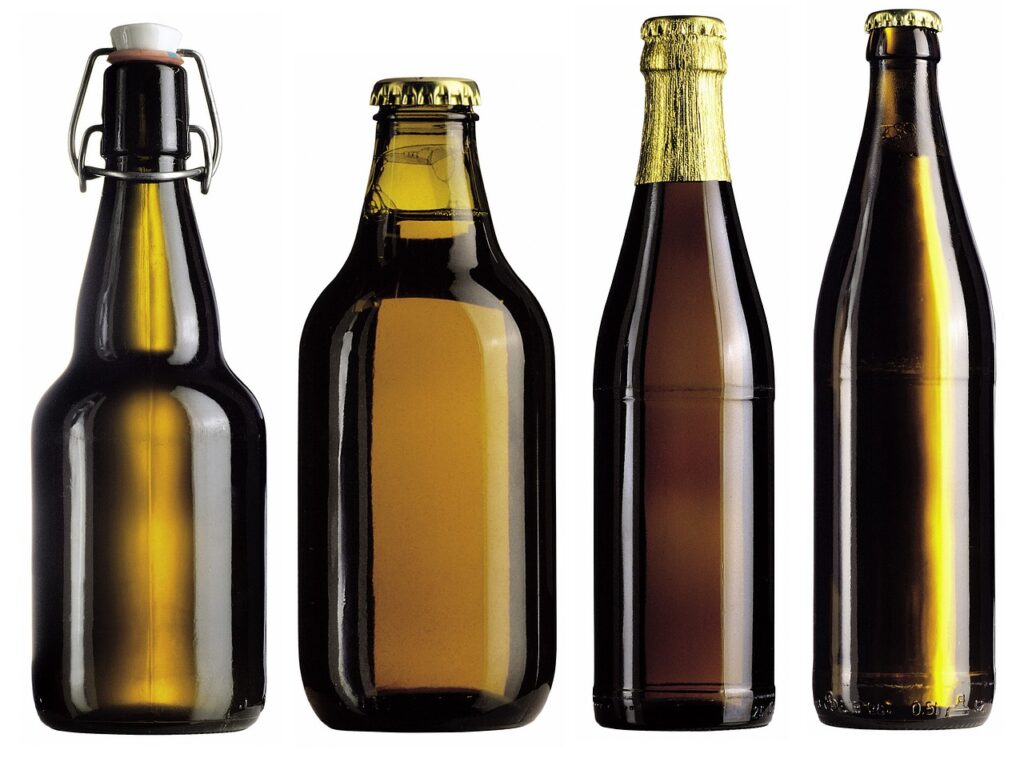
Počnite s bočicom. Zapišite završnu obradu grla onako kako je navedena u specifikaciji bočice, a ne kako se sjećate. Za DIN18 bočice svi dijelovi zatvarača moraju biti specificirani za istu završnu obradu. Ako koristite drugačije ili prilagođeno grlo, navedite to u zahtjevu, jer standardni dijelovi možda neće pristajati.
Također zabilježite kako zatvarač treba brtviti. Neki zatvarači brtve na obodu grla, neki unutarnjim čepom koji pritišće otvor, a neki oboje. To utječe na to koji su dijelovi potrebni i kako međusobno djeluju.
Što zabilježiti
- Oznaka završne obrade grla (DIN18 ili drugo)
- Volumen bočice i boja stakla
- Visina bočice, što je važno za duljinu pipete
- Je li bočica namijenjena za čep, sklop kapaljke ili raspršivač
Korak 2: Prvo odaberite funkciju doziranja
Prije odabira boje ili završne obrade odredite kako proizvod izlazi iz bočice. Funkcija određuje popis dijelova:
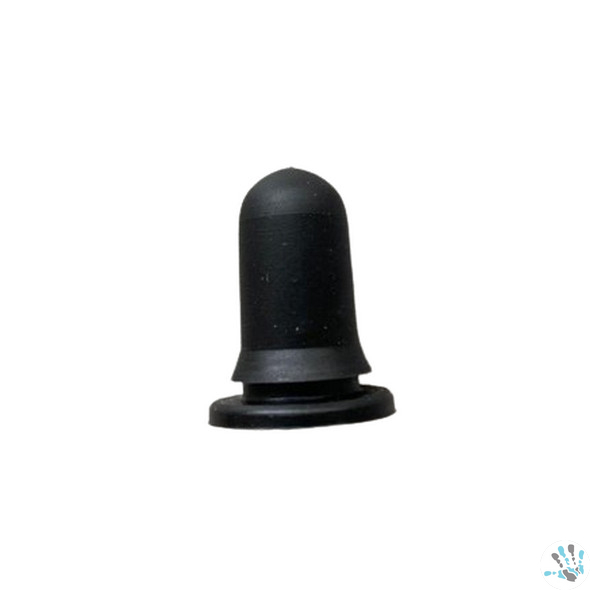
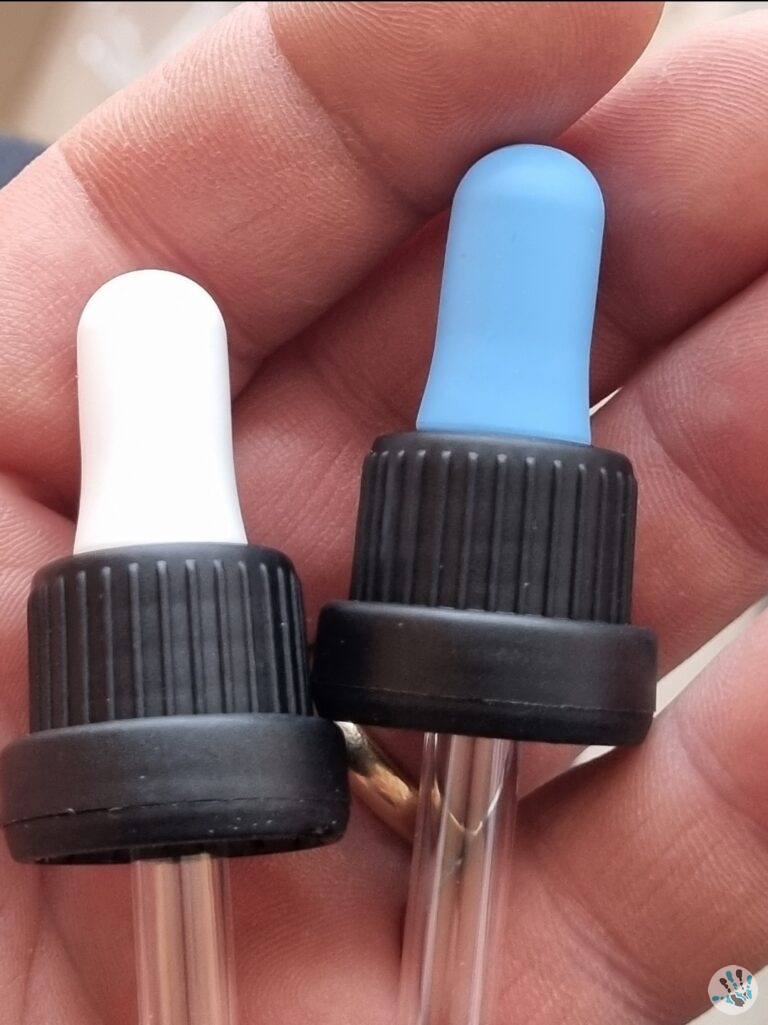
- Doziranje kap po kap: mešiček, ovratnik i pipeta.
- Kontrolirano izlijevanje ili smanjenje otvora: unutarnji čep ili reduktor plus kapica.
- Nanošenje na kožu po površini: roll-on čep s kuglicom i kapica.
- Fina magla: nastavak za raspršivač.
Ako još birate između formata, naš članak o odabiru DIN18 čepa prema namjeni pokriva tu usporedbu. Ovdje pretpostavljamo da je funkcija odabrana i usredotočujemo se na usklađivanje dijelova.
Korak 3: Provjerite svaku komponentu u odnosu na susjedne
Donja tablica prikazuje što se svaki dio mora podudarati i pogrešku koju najčešće vidimo.
| Komponenta | Mora se podudarati s | Česta pogreška |
|---|---|---|
| Bočica | Završna obrada grla, visina, volumen | Pretpostavljanje završne obrade bez provjere specifikacije |
| Čep ili reduktor | Otvor bočice i kapica koja je preko njega | Zamjena kapice bez ponovnog ispitivanja sjedišta čepa |
| Kapica ili ovratnik | Navoj grla i mešiček ili čep ispod | Naručivanje završne obrade samo zbog izgleda |
| Gumica | Otvor ovratnika i vrh pipete; usklađenost s proizvodom | Zanemarivanje utjecaja proizvoda na materijal |
| Pipeta | Visina bočice i pristajanje mješička | Pipeta predugačka ili prekratka za bočicu |
| Roll-on čep s kuglicom | Grlo bočice i viskoznost punjenja | Testing with water instead of the real product |
Step 4: Think about the product, not just the parts
Your formulation is part of the system. Oils, alcohol-based blends, essential oils and water-based serums behave differently against plastics and elastomers. Before approving a combination, ask:
- Is the teat material suitable for the liquid you fill? NBR, silicone and TPE respond differently to different liquids, so test with your actual formula.
- Does the product contain strong solvents or fragrance components that may soften or swell plastic parts?
- Is the liquid thin enough to leak around a plug, or thick enough to flow poorly through a roll-on ball seat?
We do not state chemical resistance data unless it is in the product specification, so the practical answer is always to run a compatibility test with your own product and your chosen parts.
Step 5: Roll-on sets, a worked example
Roll-on sets show why a combined check matters. A set such as the steel ball roll-on plug for DIN18 bottles with a transparent plug and black PP screw cap brings together a stainless steel ball, a transparent plug and a screw cap. The plug holds the ball and seats in the neck, and the cap closes over it.
Before ordering a carton, check:
- That the bottle is a DIN18 finish.
- That the fill is suitable for a ball applicator. Very thin liquids may run more freely than you want.
- That the cap color suits the bottle and label design. The same set is offered with different cap colors, so match it to your artwork early.
- That the cap closes fully and feels consistent across several units, not only one sample.
Naše GuardSeal plug range lists the other plug types if a roll-on is not the right format for your product.
Step 6: Check pipette and bottle height together
Pipettes are the part most often mismatched to the bottle. If the tip rests on the bottom, it can limit draw-up and make the last portion of product hard to reach. If it is too short, the tube may not reach the liquid as the level drops. Always measure the sealed assembly with the bottle upright rather than comparing two numbers on paper. Our staklene pipete are available in more than one format, so pick based on the bottle you actually use.
Step 7: Run a small pilot before the full order
A short pilot catches most of what a spec sheet cannot. A reasonable routine:
- Assemble five to ten complete units with the exact parts you plan to order.
- Fill them with the real product, not a stand-in.
- Cap with the torque or pressure your line will use.
- Store some upright and some on their sides for a few days, then inspect for seepage at the neck.
- Dispense from each unit and check that the function is consistent.
- Ship a few units in your normal carton and check them again on arrival.
Record the results with part descriptions, so a reorder months later uses the same combination.
Keep a simple parts record
Once a combination works, document it. A one-page record is enough:
- Bottle description and neck finish
- Every component with its description and color
- Fill product and batch used in the test
- Date of the test and the person who approved it
When any part changes, repeat the pilot. It takes a short time compared with the cost of a recalled batch.
Česta pitanja
Are all DIN18 parts interchangeable?
They are designed around the same neck finish, but you should still confirm fit with a sample. Differences in plug design, collar shape and cap style can affect how parts work together.
Can I change only the cap color on an existing assembly?
Usually yes if the cap model stays the same, but check that the new batch seats and seals the same way. If the cap style changes, treat it as a new combination and test it.
Should I test with water or my actual product?
Use your actual product. Viscosity, solvents and fragrance components can change how a plug seals, how a ball rolls and how an elastomer behaves.
Mogu li dobiti uzorke prije naručivanja kartona?
Yes. Contact us with your bottle details and intended use, and we can advise on a combination and arrange samples where available.
Ready to compare parts? Pregledajte trgovinu or contact us for samples and advice on a DIN18 combination that fits your product.