Shiny ALU Dropper Collars: Incoming Inspection and Handling
A shiny aluminium collar is the first thing a customer sees and touches on a dropper bottle. It is also the part that shows damage most easily. A fine scratch, a dull patch or a fingerprint that looks small on the bench can look like a defect on a shelf under retail lighting.
This guide is for buyers, QC staff and production managers who work with our ALU range of ready-assembled droppers in gold, silver and rose. It explains what to check when cartons arrive, how to handle the parts on the line and how to write cosmetic expectations into your specification so that everyone judges the same piece the same way.
What you are actually inspecting
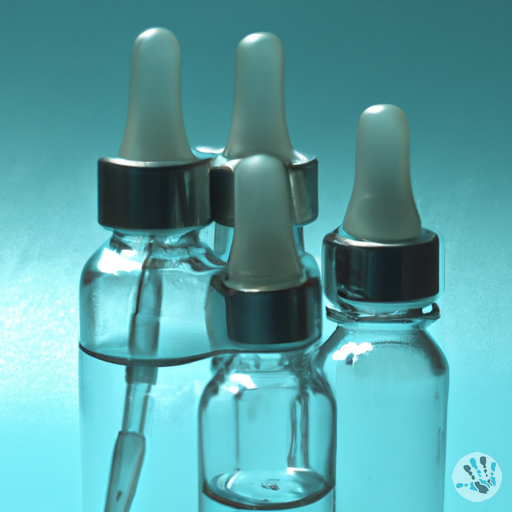
Each ALU dropper in the Droppers “ALU” category is a ready-assembled unit with four elements:
- an aluminium collar in gold, silver or rose, with a polypropylene (PP) inner part,
- an NBR rubber teat, white for the “Day” versions and black for the “Night” versions,
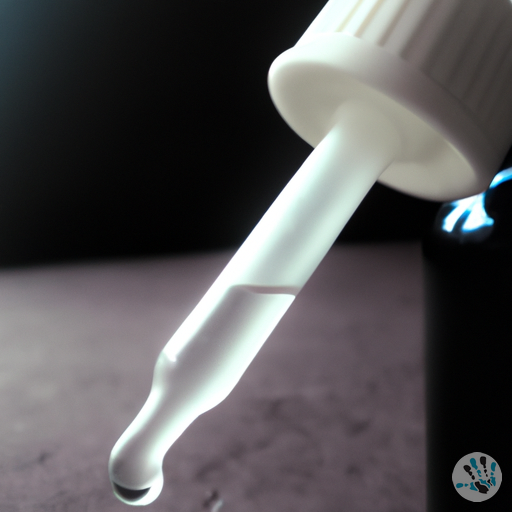
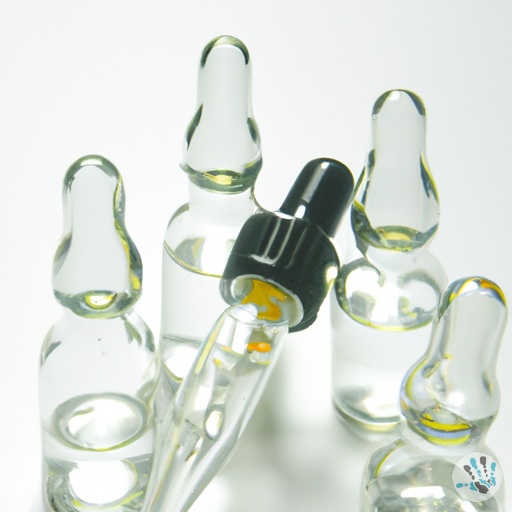
- a straight-tip glass pipette, plain or graduated,
- a DIN18 (GL18) thread to fit DIN18 bottles.
The collar is the visible, metallic part. The teat and pipette are visible too, but the collar carries most of the brand impression. That is why cosmetic inspection should start there.
Incoming inspection: a practical sequence
Inspect a sample from each carton, not only from the first one on the pallet. Use neutral, bright light and hold the part at a few angles, because shiny metal hides defects at one angle and shows them at another.
- Check the carton and bag first. Crushed corners or loose, open bags are the most common reason for collar-to-collar contact damage. Note it with a photo before you open anything.
- Compare colour against an approved reference. Keep a signed-off golden sample for each of gold, silver and rose. Judge colour next to the reference, in the same light, not from memory.
- Look at the collar surface. Check for scratches, scuffs, dents on the rim, dull or cloudy areas and visible marks from handling.
- Check the knurling or shiny lines, if present. Lines should look consistent from piece to piece. Compare several units side by side.
- Check the fit of the collar on the teat. The collar should sit straight, with no visible tilt and no gap that looks different from the reference.
- Check the teat and pipette. The teat should be clean and evenly seated. The pipette should be centered and free of chips at the tip. Our existing guidance on pipette inspection applies here as well.
- Do a fit test on your bottle. Screw a few units onto your actual DIN18 bottles and check the thread engagement, the pipette clearance and the look of the closed bottle.
Record the results with a date and the carton number. If you ever need to raise a claim, a short record with photos is far more useful than a verbal description.
Agree cosmetic criteria before the first order
“No visible defects” is not a specification. Two people will read it differently. Instead, define what you accept and how you check it. Without inventing numbers, you can still be specific:
- the viewing distance and lighting you use (for example, arm’s length under normal inspection light),
- which surfaces count as “visible” once the bottle is on the shelf,
- what is acceptable (slight variation in shine between lots) and what is not (scratches you can feel with a fingernail, dents on the rim),
- who holds the golden sample and how it is stored.
Our article on the ALU dropper spec sheet covers the technical items to define. Cosmetic criteria belong on the same sheet.
Handling on the filling and capping line
Most cosmetic damage does not come from the factory. It happens when parts are tipped into hoppers, dropped onto steel trays or screwed on with a tool that grips the collar too hard.
Keep the parts apart
Avoid pouring droppers from a height into bins. Aluminium collars rub against each other, and the contact leaves fine marks. Where possible, leave the droppers in their bags until the moment of use, and place them in shallow trays rather than deep bins.
Use gloves or clean hands
Gold and rose finishes show fingerprints readily. Lint-free gloves cut down the need for polishing and reduce the risk that oils from skin or from your product leave marks. If you use cotton gloves, check that they do not leave fibers around the teat.
Check your capping tool
Hard jaws, rough chucks and worn rubber pads are the usual culprits. If you use a semi-automatic capper, choose soft-faced tooling and set the torque so the collar tightens without slipping. Slipping tools are what scratch the collar. Test with a few units and examine under light before running the full batch.
Wipe spills straight away
Oils, alcohol-based liquids and fragrance blends can leave residue on the collar. Wipe gently with a clean, soft, lint-free cloth. Always test your cleaning method on a spare unit first, because some cleaning agents can mark or dull surfaces.
Storage before use
Store cartons flat and dry, away from direct sunlight and from solvents or strong-smelling products. Do not stack heavy cartons on top of ones containing droppers. Keep unopened bags closed, and reseal any partly used bags with a clean tie. Keep the Day and Night versions clearly separated on shelves, because a white teat and a black teat in the wrong batch is easy to miss in a mixed bin.
Choosing colour and size in one go
The ALU range uses the same DIN18 thread across all sizes, so your decision is mainly about colour, teat shade and pipette length. The pipette length follows the bottle volume:
| Bottle size | Pipette length |
|---|---|
| 5 ml | 48 mm |
| 10 ml | 58 mm |
| 15 ml | 63 mm |
| 20 ml | 70 mm |
| 30 ml | 77 mm |
| 50 ml | 90 mm |
| 100 ml | 108 mm |
Not every colour and teat combination is listed in every size, so check the product pages. As examples, the ALU Gold Day dropper for 30 ml bottles pairs a white teat with a 77 mm pipette. The ALU Silver Night dropper for 100 ml bottles uses a black teat with a 108 mm pipette. For a warmer look, browse the ALU Rose Night range.
Match the teat to your label. A white teat suits light labels and clear or pale products, while black works with dark or dramatic packaging. Check your own product against the NBR teat before you commit, since oils and some essential oil components can affect rubber over time. A stability test with your formula is the reliable way to confirm.
If you need to compare finishes
Shiny collars suit brands that want a bright, reflective look. If your line or your handling process makes fingerprints a problem, a softer surface may be more practical. Our ALU Matte category offers a different finish with the same DIN18 fit.
FAQ
Do the gold, silver and rose collars all fit the same bottles?
Yes. All ALU droppers in this range use the DIN18 (GL18) thread, so they fit DIN18 bottles. Always test on your own bottle before ordering a full run.
Can I request graduated pipettes with ALU droppers?
The product pages list the droppers as available with a plain or graduated pipette. Tell us which one you need when you order or ask for advice.
How many units should I inspect on arrival?
Define a sampling plan in your own quality procedure. A good starting point is to inspect units from every carton and to check more if you find a defect.
What should I do if I find scratched collars?
Photograph the units and the carton, note the carton number and contact us with the details so we can look into it together.
Want to see the finishes in person? Browse the shop or contact us to ask for samples or advice on the right ALU dropper for your bottle range.