Checklist di compatibilità dei componenti DIN18 per contagocce e roll-on
Una chiusura per contagocce o roll-on raramente è composta da un solo componente. È un piccolo sistema: collo della bottiglia, tappo o wiper, tappo a vite o collarino, tettarella, pipetta o sfera. Ogni componente può essere perfettamente funzionale da solo e risultare comunque non idoneo in combinazione. Il risultato può essere un tappo che non si avvita correttamente, una pipetta che tocca il fondo o un tappo che si allenta durante il trasporto.
Questa checklist è destinata ad acquirenti, sviluppatori di prodotto e responsabili di produzione che desiderano confermare la compatibilità prima sulla carta e poi su un campione. Si concentra sulla filettatura del collo DIN18, lo standard con cui lavoriamo maggiormente, e sui componenti della nostra Parti e componenti .
Perché si verificano problemi di compatibilità
Le cause più comuni sono semplici:
- I componenti vengono ordinati da fornitori diversi e nessuno li confronta fianco a fianco.
- La filettatura del collo viene data per scontata anziché verificata (ad esempio, si considera che “18 mm” abbia lo stesso significato ovunque).
- Un componente viene sostituito per motivi estetici, ad esempio un nuovo colore del tappo, senza ricontrollare l'accoppiamento.
- Il prodotto cambia (un olio più denso, una miscela più volatile) ma la chiusura resta invariata.
Nessuna di queste situazioni è difficile da evitare. Serve solo un ordine fisso di controlli.
Passo 1: verificare la filettatura del collo
Iniziare dalla bottiglia. Annotare la filettatura del collo come indicato nella specifica della bottiglia, non come ricordata. Per le bottiglie DIN18, tutti i componenti di chiusura devono essere specificati per la stessa filettatura. Se si utilizza un collo diverso o personalizzato, indicarlo nella richiesta, poiché i componenti standard potrebbero non adattarsi.
Annotare anche come la chiusura è progettata per sigillare. Alcune chiusure sigillano sul bordo del collo, altre tramite un tappo interno che preme nel foro, altre ancora con entrambi i sistemi. Questo influisce sui componenti necessari e su come interagiscono.
Cosa annotare
- Designazione della filettatura del collo (DIN18 o altra)
- Volume della bottiglia e colore del vetro
- Altezza della bottiglia, che incide sulla lunghezza della pipetta
- Se la bottiglia è destinata a un tappo, a un gruppo contagocce o a un vaporizzatore
Passo 2: scegliere prima la funzione di erogazione
Stabilire come il prodotto esce dalla bottiglia prima di scegliere qualsiasi colore o finitura. La funzione determina l'elenco dei componenti:
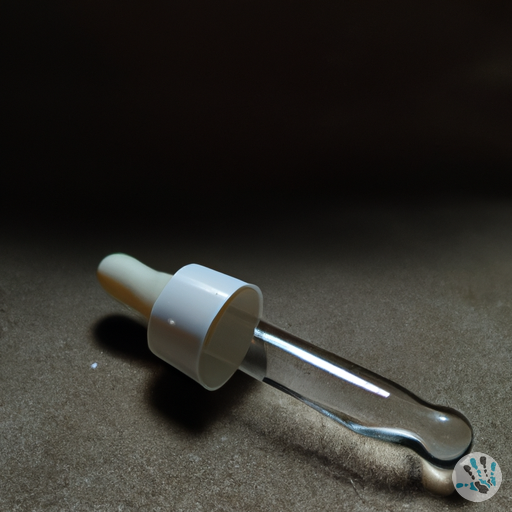
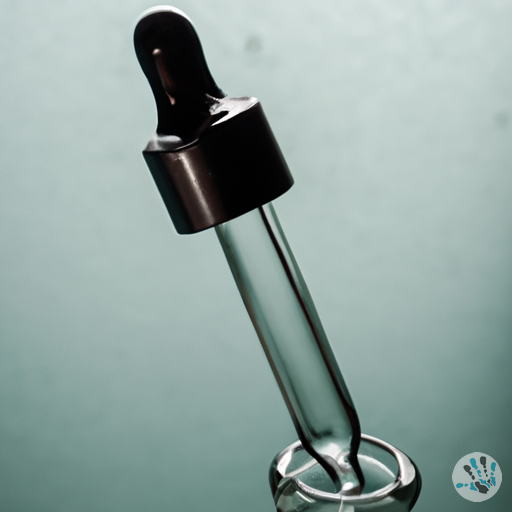
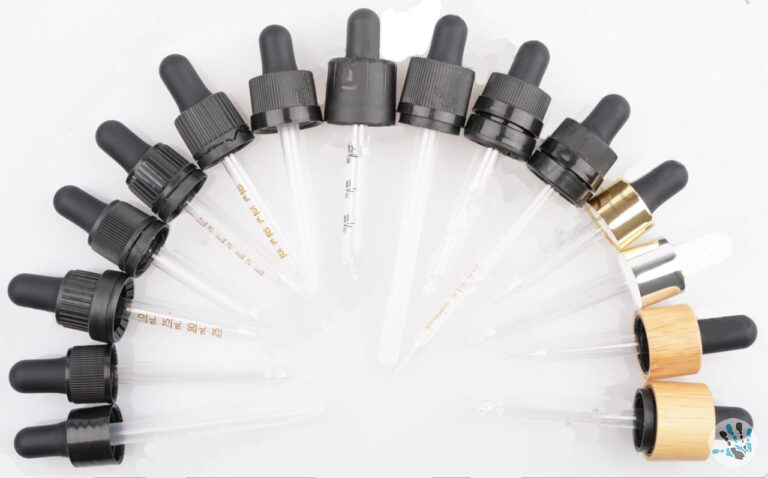
- Dosaggio goccia a goccia: tettarella, collarino e pipetta.
- Versamento controllato o riduzione dell'orifizio: un tappo interno o wiper più un tappo a vite.
- Applicazione sulla pelle per strisciamento: un tappo roll-on con sfera e tappo a vite.
- Spruzzo fine: un attacco per vaporizzatore.
Se si sta ancora decidendo tra i formati, il nostro articolo sulla scelta di un tappo DIN18 in base all'uso illustra questo confronto. Qui si presume che la funzione sia già scelta e ci si concentra sull'armonizzazione dei componenti.

Passo 3: verificare ogni componente rispetto a quelli adiacenti
La tabella seguente elenca ciò a cui ogni componente deve corrispondere e l'errore che riscontriamo più spesso.
| Componente | Deve corrispondere a | Errore comune |
|---|---|---|
| Bottiglia | Filettatura del collo, altezza, volume | Dare per scontata la filettatura senza verificare la specifica |
| Tappo o wiper | Foro della bottiglia e il tappo che vi si applica sopra | Sostituire il tappo senza ricontrollare la sede del tappo interno |
| Tappo o collarino | Filetto del collo e la tettarella o il tappo sottostante | Ordinare una finitura solo per ragioni estetiche |
| Tettarella | Apertura del collarino e parte superiore della pipetta; compatibilità con il prodotto | Ignorare l'effetto del prodotto sul materiale |
| Pipetta | Altezza della bottiglia e accoppiamento della tettarella | Pipetta troppo lunga o troppo corta per la bottiglia |
| Tappo roll-on con sfera | Collo della bottiglia e viscosità del riempimento | Testing with water instead of the real product |
Step 4: Think about the product, not just the parts
Your formulation is part of the system. Oils, alcohol-based blends, essential oils and water-based serums behave differently against plastics and elastomers. Before approving a combination, ask:
- Is the teat material suitable for the liquid you fill? NBR, silicone and TPE respond differently to different liquids, so test with your actual formula.
- Does the product contain strong solvents or fragrance components that may soften or swell plastic parts?
- Is the liquid thin enough to leak around a plug, or thick enough to flow poorly through a roll-on ball seat?
We do not state chemical resistance data unless it is in the product specification, so the practical answer is always to run a compatibility test with your own product and your chosen parts.
Step 5: Roll-on sets, a worked example
Roll-on sets show why a combined check matters. A set such as the steel ball roll-on plug for DIN18 bottles with a transparent plug and black PP screw cap brings together a stainless steel ball, a transparent plug and a screw cap. The plug holds the ball and seats in the neck, and the cap closes over it.
Before ordering a carton, check:
- That the bottle is a DIN18 finish.
- That the fill is suitable for a ball applicator. Very thin liquids may run more freely than you want.
- That the cap color suits the bottle and label design. The same set is offered with different cap colors, so match it to your artwork early.
- That the cap closes fully and feels consistent across several units, not only one sample.
Il nostro GuardSeal plug range lists the other plug types if a roll-on is not the right format for your product.
Step 6: Check pipette and bottle height together
Pipettes are the part most often mismatched to the bottle. If the tip rests on the bottom, it can limit draw-up and make the last portion of product hard to reach. If it is too short, the tube may not reach the liquid as the level drops. Always measure the sealed assembly with the bottle upright rather than comparing two numbers on paper. Our pipette di vetro are available in more than one format, so pick based on the bottle you actually use.
Step 7: Run a small pilot before the full order
A short pilot catches most of what a spec sheet cannot. A reasonable routine:
- Assemble five to ten complete units with the exact parts you plan to order.
- Fill them with the real product, not a stand-in.
- Cap with the torque or pressure your line will use.
- Store some upright and some on their sides for a few days, then inspect for seepage at the neck.
- Dispense from each unit and check that the function is consistent.
- Ship a few units in your normal carton and check them again on arrival.
Record the results with part descriptions, so a reorder months later uses the same combination.
Keep a simple parts record
Once a combination works, document it. A one-page record is enough:
- Bottle description and neck finish
- Every component with its description and color
- Fill product and batch used in the test
- Date of the test and the person who approved it
When any part changes, repeat the pilot. It takes a short time compared with the cost of a recalled batch.
FAQ
Are all DIN18 parts interchangeable?
They are designed around the same neck finish, but you should still confirm fit with a sample. Differences in plug design, collar shape and cap style can affect how parts work together.
Can I change only the cap color on an existing assembly?
Usually yes if the cap model stays the same, but check that the new batch seats and seals the same way. If the cap style changes, treat it as a new combination and test it.
Should I test with water or my actual product?
Use your actual product. Viscosity, solvents and fragrance components can change how a plug seals, how a ball rolls and how an elastomer behaves.
Posso ricevere dei campioni prima di ordinare un cartone?
Yes. Contact us with your bottle details and intended use, and we can advise on a combination and arrange samples where available.
Ready to compare parts? Sfoglia il negozio or contact us for samples and advice on a DIN18 combination that fits your product.