DIN18 detaļu saderības kontrolsaraksts pilinātājiem un roll-on iepakojumiem
Pilinātāja vai roll-on aizdare reti ir viena detaļa. Tā ir neliela sistēma: pudeles kakls, aizbāznis vai tīrītājs, vāciņš vai apkakle, mešķītis, pipete vai lodīte. Katra detaļa var būt pilnīgi derīga atsevišķi un tomēr nedarboties kopā. Rezultātā vāciņš neuzsēžas, pipete skar pudeles dibenu vai aizbāznis pēc transportēšanas atbrīvojas.
Šis kontrolsaraksts paredzēts pircējiem, produktu izstrādātājiem un ražošanas vadītājiem, kuri vēlas vispirms saderību apstiprināt papīrā, bet pēc tam uz paraugiem. Tas galvenokārt attiecas uz DIN18 kakla apdari, ko mēs izmantojam visbiežāk, un uz detaļām mūsu Detaļas un komponenti klāstā.
Kāpēc rodas saderības problēmas
Visbiežākie cēloņi ir vienkārši:
- Detaļas pasūta no dažādiem piegādātājiem, un neviens tās nesalīdzina blakus.
- Kakla apdare tiek pieņemta, nevis apstiprināta (piemēram, “18 mm” tiek uzskatīts par vienu un to pašu visur).
- Komponents tiek nomainīts kosmētisku iemeslu dēļ, piemēram, jaunas vāciņa krāsas dēļ, un atbilstība netiek pārbaudīta no jauna.
- Produkts mainās (biezāka eļļa, gaistošāks maisījums), bet aizdare paliek tāda pati.
Nevienu no šiem nav grūti novērst. Vienkārši nepieciešama noteikta pārbaužu secība.
1. solis: apstipriniet kakla apdari
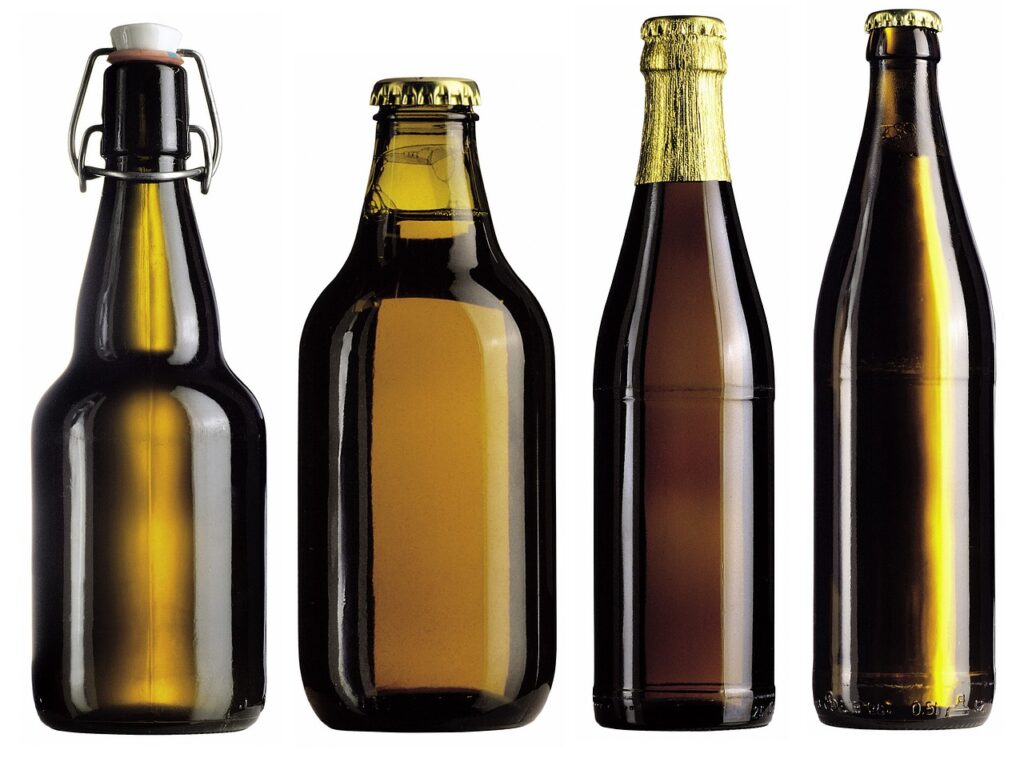
Sāciet ar pudeli. Pierakstiet kakla apdari tā, kā tā norādīta pudeles specifikācijā, nevis pēc atmiņas. DIN18 pudelēm visas aizdares detaļas jānorāda vienai un tai pašai apdarei. Ja izmantojat citu vai pielāgotu kaklu, norādiet to pieprasījumā, jo standarta detaļas var neiederēties.
Ņemiet vērā arī to, kā aizdarei jānoslēdzas. Dažas aizdares noslēdzas pie kakla malas, dažas ar iekšēju aizbāzni, kas iespiežas caurumā, un dažas ar abiem. Tas ietekmē to, kādas detaļas nepieciešamas un kā tās mijiedarbojas.
Ko ierakstīt
- Kakla apdares apzīmējums (DIN18 vai cits)
- Pudeles tilpums un stikla krāsa
- Pudeles augstums, kas ir svarīgs pipetes garumam
- Vai pudele paredzēta aizbāznim, pilinātāja komplektam vai smidzinātājam
2. solis: vispirms izvēlieties dozēšanas funkciju
Pirms jebkuras krāsas vai apdares izvēles izlemiet, kā produkts izplūst no pudeles. Funkcija nosaka detaļu sarakstu:
- Pilienu pa pilienam dozēšana: mešķītis, apkakle un pipete.
- Kontrolēta izliešana vai izplūdes atveres samazināšana: iekšējais aizbāznis vai tīrītājs un vāciņš.
- Uzklāšana uz ādas pa virsmu: roll-on aizbāznis ar lodīti un vāciņš.
- Smalka izsmidzināšana: smidzinātāja savienojuma detaļa.
Ja vēl izvēlaties starp formātiem, mūsu raksts “DIN18 aizbāžņa izvēle pēc lietojuma” aptver šo salīdzinājumu. Šeit mēs pieņemam, ka funkcija jau izvēlēta, un koncentrējamies uz detaļu saskaņošanu.
3. solis: pārbaudiet katru komponentu pret tā kaimiņiem
Tabulā zemāk norādīts, ar ko katrai detaļai jāsakrīt un kāda kļūda mēs redzam visbiežāk.
| Komponents | Jāsakrīt ar | Biežākā kļūda |
|---|---|---|
| Pudele | Kakla apdare, augstums, tilpums | Apdares pieņemšana bez specifikācijas pārbaudes |
| Aizbāznis vai tīrītājs | Pudeles caurums un virs tā esošais vāciņš | Vāciņa maiņa bez aizbāžņa uzsēdes atkārtotas pārbaudes |
| Vāciņš vai apkakle | Kakla vītne un zem tās esošais mešķītis vai aizbāznis | Apdares pasūtīšana tikai izskata dēļ |
| Gumijas pūslītis | Apkakles atvere un pipetes augšdaļa; produkta saderība | Produkta ietekmes uz materiālu ignorēšana |
| Pipete | Pudeles augstums un mešķīša piegulšana | Pipete pārāk gara vai pārāk īsa pudelei |
| Roll-on lodītes aizbāznis | Pudeles kakls un pildījuma viskozitāte | Testing with water instead of the real product |
Step 4: Think about the product, not just the parts
Your formulation is part of the system. Oils, alcohol-based blends, essential oils and water-based serums behave differently against plastics and elastomers. Before approving a combination, ask:
- Is the teat material suitable for the liquid you fill? NBR, silicone and TPE respond differently to different liquids, so test with your actual formula.
- Does the product contain strong solvents or fragrance components that may soften or swell plastic parts?
- Is the liquid thin enough to leak around a plug, or thick enough to flow poorly through a roll-on ball seat?
We do not state chemical resistance data unless it is in the product specification, so the practical answer is always to run a compatibility test with your own product and your chosen parts.
Step 5: Roll-on sets, a worked example
Roll-on sets show why a combined check matters. A set such as the steel ball roll-on plug for DIN18 bottles with a transparent plug and black PP screw cap brings together a stainless steel ball, a transparent plug and a screw cap. The plug holds the ball and seats in the neck, and the cap closes over it.
Before ordering a carton, check:
- That the bottle is a DIN18 finish.
- That the fill is suitable for a ball applicator. Very thin liquids may run more freely than you want.
- That the cap color suits the bottle and label design. The same set is offered with different cap colors, so match it to your artwork early.
- That the cap closes fully and feels consistent across several units, not only one sample.
Mūsu GuardSeal plug range lists the other plug types if a roll-on is not the right format for your product.
Step 6: Check pipette and bottle height together
Pipettes are the part most often mismatched to the bottle. If the tip rests on the bottom, it can limit draw-up and make the last portion of product hard to reach. If it is too short, the tube may not reach the liquid as the level drops. Always measure the sealed assembly with the bottle upright rather than comparing two numbers on paper. Our stikla pipetes are available in more than one format, so pick based on the bottle you actually use.
Step 7: Run a small pilot before the full order
A short pilot catches most of what a spec sheet cannot. A reasonable routine:
- Assemble five to ten complete units with the exact parts you plan to order.
- Fill them with the real product, not a stand-in.
- Cap with the torque or pressure your line will use.
- Store some upright and some on their sides for a few days, then inspect for seepage at the neck.
- Dispense from each unit and check that the function is consistent.
- Ship a few units in your normal carton and check them again on arrival.
Record the results with part descriptions, so a reorder months later uses the same combination.
Keep a simple parts record
Once a combination works, document it. A one-page record is enough:
- Bottle description and neck finish
- Every component with its description and color
- Fill product and batch used in the test
- Date of the test and the person who approved it
When any part changes, repeat the pilot. It takes a short time compared with the cost of a recalled batch.
BUJ
Are all DIN18 parts interchangeable?
They are designed around the same neck finish, but you should still confirm fit with a sample. Differences in plug design, collar shape and cap style can affect how parts work together.
Can I change only the cap color on an existing assembly?
Usually yes if the cap model stays the same, but check that the new batch seats and seals the same way. If the cap style changes, treat it as a new combination and test it.
Should I test with water or my actual product?
Use your actual product. Viscosity, solvents and fragrance components can change how a plug seals, how a ball rolls and how an elastomer behaves.
Vai pirms kartona pasūtīšanas varu saņemt paraugus?
Yes. Contact us with your bottle details and intended use, and we can advise on a combination and arrange samples where available.
Ready to compare parts? Pārlūkot veikalu or contact us for samples and advice on a DIN18 combination that fits your product.