DIN18 Parts Compatibility Checklist for Droppers and Roll-Ons
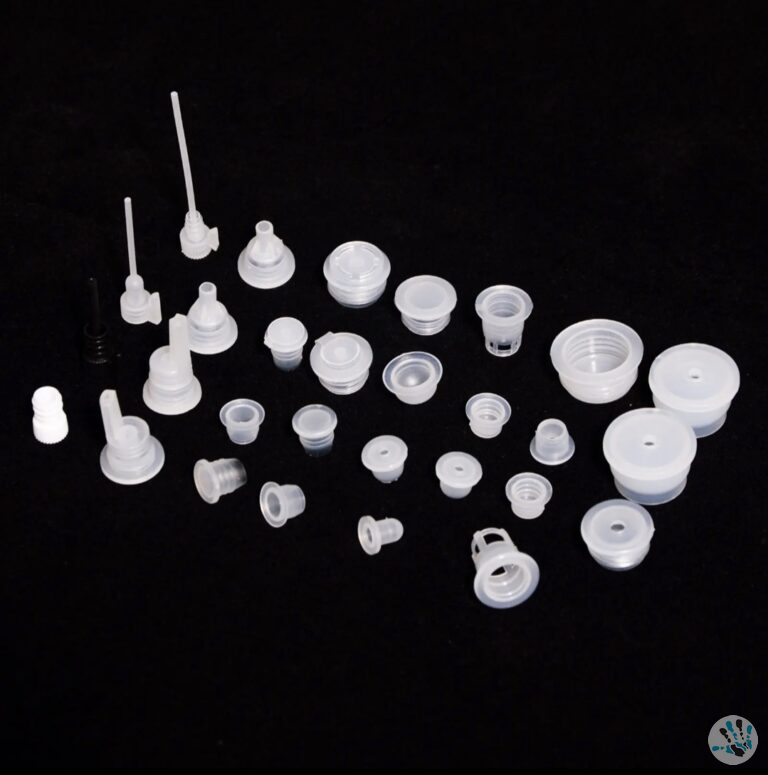
A dropper or roll-on closure is rarely one part. It is a small system: bottle neck, plug or wiper, cap or collar, teat, pipette or ball. Each part can be perfectly fine on its own and still fail in combination. The result is a cap that will not seat, a pipette that touches the bottom, or a plug that loosens after transport.
This checklist is for buyers, product developers and production managers who want to confirm compatibility on paper first and on a sample second. It focuses on the DIN18 neck finish, which is the standard we work with most, and on the parts in our Parts & Components range.
Why compatibility problems happen
The most common causes are simple:
- Parts are ordered from different sources and nobody compares them side by side.
- The neck finish is assumed rather than confirmed (for example, “18 mm” taken to mean the same thing everywhere).
- A component is swapped for a cosmetic reason, such as a new cap colour, without re-checking the fit.
- The product changes (a thicker oil, a more volatile blend) but the closure stays the same.
None of these are difficult to prevent. They just need a fixed order of checks.
Step 1: Confirm the neck finish
Start with the bottle. Write down the neck finish as stated on the bottle specification, not as remembered. For DIN18 bottles, all closure parts must be specified for the same finish. If you use a different or custom neck, say so in your request, because standard parts may not fit it.
Also note how the closure is meant to seal. Some closures seal on the neck rim, some by an inner plug pressing into the bore, and some by both. This affects which parts you need and how they interact.
What to record
- Neck finish designation (DIN18 or other)
- Bottle volume and glass colour
- Bottle height, which matters for pipette length
- Whether the bottle is intended for a plug, a dropper assembly or a sprayer
Step 2: Choose the dispensing function first
Decide how the product leaves the bottle before choosing any colour or finish. The function drives the parts list:
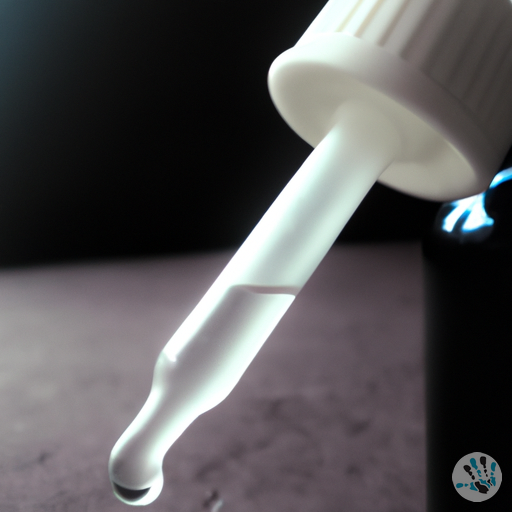
- Drop-by-drop dosing: teat, collar and pipette.
- Controlled pour or orifice reduction: an inner plug or wiper plus a cap.
- Applying to skin along a surface: a roll-on plug with ball and cap.
- Fine spray: a sprayer fitment.
If you are still deciding between formats, our article on choosing a DIN18 plug by use covers that comparison. Here we assume the function is chosen and focus on making the parts agree.

Step 3: Check each component against its neighbors
The table below lists what each part has to match and the mistake we see most often.
| Component | Must match | Common mistake |
|---|---|---|
| Bottle | Neck finish, height, volume | Assuming finish without checking the specification |
| Plug or wiper | Bottle bore and the cap that sits over it | Changing the cap without re-testing the plug seat |
| Cap or collar | Neck thread and the teat or plug beneath | Ordering a finish for looks only |
| Teat | Collar opening and pipette top; product compatibility | Ignoring how the product affects the material |
| Pipette | Bottle height and teat fit | Pipette too long or too short for the bottle |
| Roll-on ball plug | Bottle neck and viscosity of the fill | Testing with water instead of the real product |
Step 4: Think about the product, not just the parts
Your formulation is part of the system. Oils, alcohol-based blends, essential oils and water-based serums behave differently against plastics and elastomers. Before approving a combination, ask:
- Is the teat material suitable for the liquid you fill? NBR, silicone and TPE respond differently to different liquids, so test with your actual formula.
- Does the product contain strong solvents or fragrance components that may soften or swell plastic parts?
- Is the liquid thin enough to leak around a plug, or thick enough to flow poorly through a roll-on ball seat?
We do not state chemical resistance data unless it is in the product specification, so the practical answer is always to run a compatibility test with your own product and your chosen parts.
Step 5: Roll-on sets, a worked example
Roll-on sets show why a combined check matters. A set such as the steel ball roll-on plug for DIN18 bottles with a transparent plug and black PP screw cap brings together a stainless steel ball, a transparent plug and a screw cap. The plug holds the ball and seats in the neck, and the cap closes over it.
Before ordering a carton, check:
- That the bottle is a DIN18 finish.
- That the fill is suitable for a ball applicator. Very thin liquids may run more freely than you want.
- That the cap color suits the bottle and label design. The same set is offered with different cap colors, so match it to your artwork early.
- That the cap closes fully and feels consistent across several units, not only one sample.
Our GuardSeal plug range lists the other plug types if a roll-on is not the right format for your product.
Step 6: Check pipette and bottle height together
Pipettes are the part most often mismatched to the bottle. If the tip rests on the bottom, it can limit draw-up and make the last portion of product hard to reach. If it is too short, the tube may not reach the liquid as the level drops. Always measure the sealed assembly with the bottle upright rather than comparing two numbers on paper. Our glass pipettes are available in more than one format, so pick based on the bottle you actually use.
Step 7: Run a small pilot before the full order
A short pilot catches most of what a spec sheet cannot. A reasonable routine:
- Assemble five to ten complete units with the exact parts you plan to order.
- Fill them with the real product, not a stand-in.
- Cap with the torque or pressure your line will use.
- Store some upright and some on their sides for a few days, then inspect for seepage at the neck.
- Dispense from each unit and check that the function is consistent.
- Ship a few units in your normal carton and check them again on arrival.
Record the results with part descriptions, so a reorder months later uses the same combination.
Keep a simple parts record
Once a combination works, document it. A one-page record is enough:
- Bottle description and neck finish
- Every component with its description and color
- Fill product and batch used in the test
- Date of the test and the person who approved it
When any part changes, repeat the pilot. It takes a short time compared with the cost of a recalled batch.
FAQ
Are all DIN18 parts interchangeable?
They are designed around the same neck finish, but you should still confirm fit with a sample. Differences in plug design, collar shape and cap style can affect how parts work together.
Can I change only the cap color on an existing assembly?
Usually yes if the cap model stays the same, but check that the new batch seats and seals the same way. If the cap style changes, treat it as a new combination and test it.
Should I test with water or my actual product?
Use your actual product. Viscosity, solvents and fragrance components can change how a plug seals, how a ball rolls and how an elastomer behaves.
Can I get samples before ordering a carton?
Yes. Contact us with your bottle details and intended use, and we can advise on a combination and arrange samples where available.
Ready to compare parts? Browse the shop or contact us for samples and advice on a DIN18 combination that fits your product.