DIN18 osade ühilduvuse kontrollnimekiri tilkuri- ja roll-on-sulgurite jaoks
Tilkuri- või roll-on-sulgur on harva üksainus osa. See on väike süsteem: pudeli kael, tihend või wiper, kork või kaelus, mešiček, pipett või kuul. Iga osa võib eraldi võetuna olla täiesti korras ja siiski kombinatsioonis ebaõnnestuda. Tulemuseks on kork, mis ei istu korralikult, pipett, mis puudutab põhja, või tihend, mis transpordi järel lahti tuleb.
See kontrollnimekiri on mõeldud ostjatele, tootearendajatele ja tootmisjuhtidele, kes soovivad ühilduvust esmalt paberil ja seejärel proovil kinnitada. Keskendutakse DIN18 kaelaviimistlusele, mis on standard, millega töötame kõige enam, ning osadele meie Osad ja komponendid valikus.
Miks ühilduvusprobleeme tekib
Kõige levinumad põhjused on lihtsad:
- Osi tellitakse erinevatest allikatest ja keegi ei võrdle neid kõrvuti.
- Kaela viimistlust eeldatakse, selle asemel et seda kinnitada (näiteks tähendab “18 mm” kõikjal sama asja).
- Komponent vahetatakse välimuse pärast, näiteks uue korgivärvi tõttu, ilma sobivust uuesti kontrollimata.
- Toode muutub (paksem õli, lenduvam segu), kuid sulgur jääb samaks.
Neid pole raske ennetada. Need vajavad lihtsalt kindlat kontrollide järjekorda.
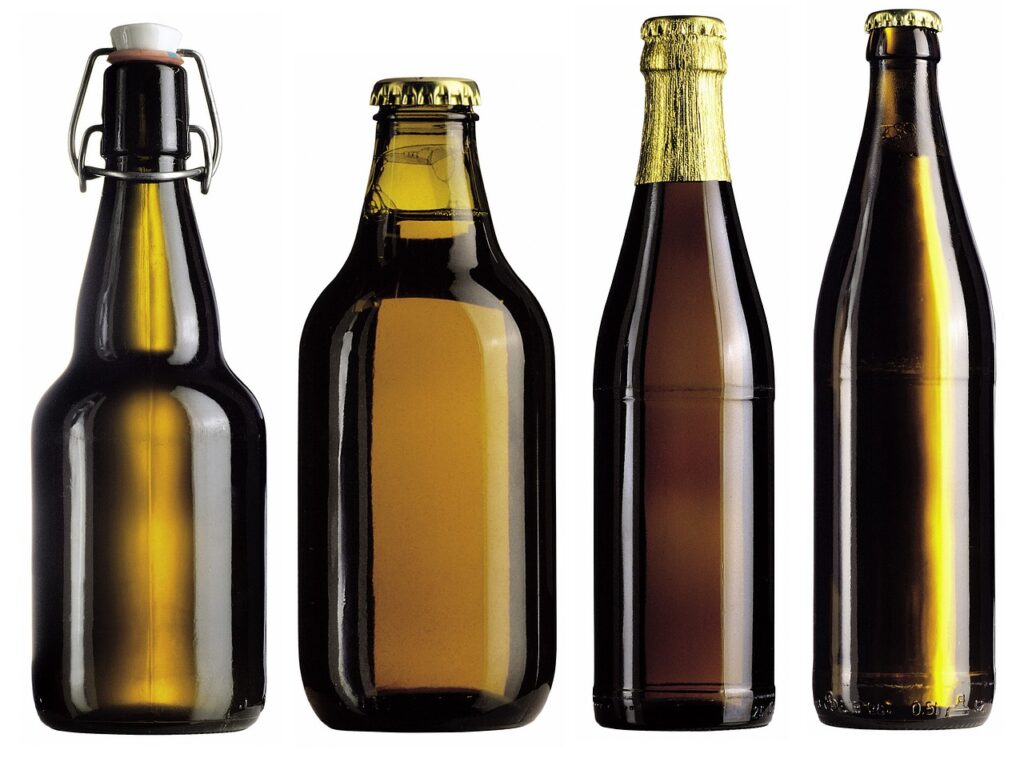
Samm 1: kinnitage kaela viimistlus
Alustage pudelist. Kirjutage kaela viimistlus üles nii, nagu see on märgitud pudeli spetsifikatsioonis, mitte mälu järgi. DIN18 pudelite puhul tuleb kõik sulguri osad määrata sama viimistluse jaoks. Kui kasutate teistsugust või kohandatud kaelust, märkige see oma päringus, sest standardsed osad ei pruugi sellele sobida.
Märkige ka, kuidas sulgur peaks tihendama. Mõned sulgurid tihendavad kaela serval, mõned sisemise tihendi surumisega ava sisse ning mõned mõlemaga. See mõjutab, millised osad on vajalikud ja kuidas need omavahel suhtlevad.
Mida registreerida
- Kaela viimistluse tähistus (DIN18 või muu)
- Pudeli maht ja klaasi värvus
- Pudeli kõrgus, mis on oluline pipeti pikkuse jaoks
- Kas pudel on mõeldud tihendi, tilkurikoostu või pihusti jaoks
Samm 2: valige esmalt väljastusfunktsioon
Enne mis tahes värvi või viimistluse valimist otsustage, kuidas toode pudelist väljub. Funktsioon määrab osade loetelu:
- Tilkhaaval doseerimine: mešiček, kaelus ja pipett.
- Kontrollitud valamine või ava vähendamine: sisemine tihend või wiper ning kork.
- Pealekandmine nahale pinna kaupa: roll-on-tihend kuuliga ja kork.
- Peen pihustus: pihustipaigaldis.
Kui olete veel formaadi valimisel, käsitleb meie artikkel DIN18 tihendi valimist kasutuse järgi seda võrdlust. Siin eeldame, et funktsioon on juba valitud, ning keskendume osade omavahelisele sobivusele.
Samm 3: kontrollige iga komponenti selle naabritega
Allolev tabel loetleb, millega iga osa peab sobima ja millist viga näeme kõige sagedamini.
| Komponent | Peab sobima | Levinud viga |
|---|---|---|
| Pudel | Kaela viimistlus, kõrgus, maht | Viimistluse eeldamine ilma spetsifikatsiooni kontrollimata |
| Tihend või wiper | Pudeli ava ja selle peal olev kork | Korgi vahetamine ilma tihendi istekohta uuesti testimata |
| Kork või kaelus | Kaela keere ja selle all olev mešiček või tihend | Viimistluse tellimine ainult välimuse pärast |
| Pirn | Kaelusava ja pipeti ülaosa; toote ühilduvus | Toote mõju materjalile ignoreerimine |
| Pipett | Pudeli kõrgus ja mešičeki sobivus | Pipett on pudeli jaoks liiga pikk või liiga lühike |
| Roll-on-kuultihend | Pudeli kael ja täidise viskoossus | Testing with water instead of the real product |
Step 4: Think about the product, not just the parts
Your formulation is part of the system. Oils, alcohol-based blends, essential oils and water-based serums behave differently against plastics and elastomers. Before approving a combination, ask:
- Is the teat material suitable for the liquid you fill? NBR, silicone and TPE respond differently to different liquids, so test with your actual formula.
- Does the product contain strong solvents or fragrance components that may soften or swell plastic parts?
- Is the liquid thin enough to leak around a plug, or thick enough to flow poorly through a roll-on ball seat?
We do not state chemical resistance data unless it is in the product specification, so the practical answer is always to run a compatibility test with your own product and your chosen parts.
Step 5: Roll-on sets, a worked example
Roll-on sets show why a combined check matters. A set such as the steel ball roll-on plug for DIN18 bottles with a transparent plug and black PP screw cap brings together a stainless steel ball, a transparent plug and a screw cap. The plug holds the ball and seats in the neck, and the cap closes over it.
Before ordering a carton, check:
- That the bottle is a DIN18 finish.
- That the fill is suitable for a ball applicator. Very thin liquids may run more freely than you want.
- That the cap color suits the bottle and label design. The same set is offered with different cap colors, so match it to your artwork early.
- That the cap closes fully and feels consistent across several units, not only one sample.
Meie GuardSeal plug range lists the other plug types if a roll-on is not the right format for your product.
Step 6: Check pipette and bottle height together
Pipettes are the part most often mismatched to the bottle. If the tip rests on the bottom, it can limit draw-up and make the last portion of product hard to reach. If it is too short, the tube may not reach the liquid as the level drops. Always measure the sealed assembly with the bottle upright rather than comparing two numbers on paper. Our klaaspipetid are available in more than one format, so pick based on the bottle you actually use.
Step 7: Run a small pilot before the full order
A short pilot catches most of what a spec sheet cannot. A reasonable routine:
- Assemble five to ten complete units with the exact parts you plan to order.
- Fill them with the real product, not a stand-in.
- Cap with the torque or pressure your line will use.
- Store some upright and some on their sides for a few days, then inspect for seepage at the neck.
- Dispense from each unit and check that the function is consistent.
- Ship a few units in your normal carton and check them again on arrival.
Record the results with part descriptions, so a reorder months later uses the same combination.
Keep a simple parts record
Once a combination works, document it. A one-page record is enough:
- Bottle description and neck finish
- Every component with its description and color
- Fill product and batch used in the test
- Date of the test and the person who approved it
When any part changes, repeat the pilot. It takes a short time compared with the cost of a recalled batch.
KKK
Are all DIN18 parts interchangeable?
They are designed around the same neck finish, but you should still confirm fit with a sample. Differences in plug design, collar shape and cap style can affect how parts work together.
Can I change only the cap color on an existing assembly?
Usually yes if the cap model stays the same, but check that the new batch seats and seals the same way. If the cap style changes, treat it as a new combination and test it.
Should I test with water or my actual product?
Use your actual product. Viscosity, solvents and fragrance components can change how a plug seals, how a ball rolls and how an elastomer behaves.
Kas ma saan enne kartongitäie tellimist proove?
Yes. Contact us with your bottle details and intended use, and we can advise on a combination and arrange samples where available.
Ready to compare parts? Sirvi poodi or contact us for samples and advice on a DIN18 combination that fits your product.