DIN18-osien yhteensopivuuden tarkistuslista pipetti- ja roll-on-sulkimille
Pipetti- tai roll-on-sulkimet ovat harvoin yksi osa. Ne muodostavat pienen kokonaisuuden: pullon kaula, tulppa tai tiivistin, korkki tai kaulus, pipettipallo, pipetti tai kuula. Jokainen osa voi olla moitteeton yksinään ja silti pettää yhdistettynä. Lopputuloksena voi olla korkki, joka ei istu paikalleen, pipetti, joka koskettaa pullon pohjaa, tai tulppa, joka löystyy kuljetuksen aikana.
Tämä tarkistuslista on tarkoitettu ostajille, tuotekehittäjille ja tuotantopäälliköille, jotka haluavat varmistaa yhteensopivuuden ensin paperilla ja vasta sen jälkeen näytteellä. Se keskittyy DIN18-kaulaviimeistelyyn, jota käytämme eniten, sekä valikoimamme osiin Osat & komponentit valikoimastamme.
Miksi yhteensopivuusongelmia syntyy
Yleisimmät syyt ovat yksinkertaisia:
- Osat tilataan eri lähteistä, eikä kukaan vertaa niitä rinnakkain.
- Kaulaviimeistelystä oletetaan jotakin sen sijaan, että se varmistettaisiin (esimerkiksi “18 mm” ymmärretään kaikkialla samalla tavalla).
- Osa vaihdetaan kosmeettisesta syystä, kuten uuden korkin värin vuoksi, sovitusta tarkistamatta.
- Tuote muuttuu (paksumpi öljy tai haihtuvampi seos), mutta sulkimet pysyvät samoina.
Mikään näistä ei ole vaikea ehkäistä. Ne vaativat vain tarkistusten kiinteää järjestystä.
Vaihe 1: Varmista kaulaviimeistely
Aloita pullosta. Kirjaa kaulaviimeistely ylös pullon teknisen määrittelyn mukaan, älä muistin varassa. DIN18-pulloissa kaikki sulkimen osat on määriteltävä samalle viimeistelylle. Jos käytät muuta tai räätälöityä kaulaa, mainitse se tilauksessasi, sillä standardiosat eivät välttämättä sovi siihen.
Huomioi myös, miten sulkimen on tarkoitus tiivistää. Jotkut sulkimet tiivistävät kaulan reunaa vasten, jotkut sisäisellä tulpalla, joka painautuu aukkoon, ja jotkut molemmilla tavoilla. Tämä vaikuttaa siihen, mitä osia tarvitset ja miten ne toimivat yhdessä.
Kirjattavat tiedot
- Kaulaviimeistelyn merkintä (DIN18 tai muu)
- Pullon tilavuus ja lasin väri
- Pullon korkeus, joka vaikuttaa pipetin pituuteen
- Onko pullo tarkoitettu tulpalle, pipettikokoonpanolle vai suihkuttimelle
Vaihe 2: Valitse annostelutapa ensin
Päätä, miten tuote poistuu pullosta, ennen kuin valitset väriä tai viimeistelyä. Toiminto ohjaa osaluetteloa:
- Tipoittain annostelu: pipettipallo, kaulus ja pipetti.
- Hallittu kaataminen tai aukon kaventaminen: sisäinen tulppa tai tiivistin sekä korkki.
- Levittäminen iholle pintaa pitkin: roll-on-tulppa kuulalla ja korkilla.
- Hienosuihku: suihkuttimen kiinnike.
Jos vielä mietit formaattien välillä, artikkelimme DIN18-tulpan valinnasta käytön mukaan käsittelee tätä vertailua. Tässä oletamme, että toiminto on valittu, ja keskitymme siihen, että osat sopivat yhteen.
Vaihe 3: Tarkista jokainen osa sen naapureita vasten
Alla olevassa taulukossa on lueteltu, mihin kunkin osan on sovittava ja mitä virhettä näemme useimmin.
| Osa | Täytyy vastata | Yleinen virhe |
|---|---|---|
| Pullo | Kaulaviimeistely, korkeus, tilavuus | Viimeistelyn olettaminen tarkistamatta teknistä määrittelyä |
| Tulppa tai tiivistin | Pullon aukko ja sen päällä oleva korkki | Korkin vaihtaminen testaamatta tulpan istuvuutta uudelleen |
| Korkki tai kaulus | Kaulan kierre ja sen alla oleva pipettipallo tai tulppa | Viimeistelyn tilaaminen pelkän ulkonäön vuoksi |
| Tutti | Kauluksen aukko ja pipetin yläosa; tuoteyhteensopivuus | Tuotteen vaikutuksen materiaaliin sivuuttaminen |
| Pipetti | Pullon korkeus ja pipettipallon sovitus | Liian pitkä tai liian lyhyt pipetti pulloon nähden |
| Roll-on-kuulatulppa | Pullon kaula ja täytteen viskositeetti | Testing with water instead of the real product |
Step 4: Think about the product, not just the parts
Your formulation is part of the system. Oils, alcohol-based blends, essential oils and water-based serums behave differently against plastics and elastomers. Before approving a combination, ask:
- Is the teat material suitable for the liquid you fill? NBR, silicone and TPE respond differently to different liquids, so test with your actual formula.
- Does the product contain strong solvents or fragrance components that may soften or swell plastic parts?
- Is the liquid thin enough to leak around a plug, or thick enough to flow poorly through a roll-on ball seat?
We do not state chemical resistance data unless it is in the product specification, so the practical answer is always to run a compatibility test with your own product and your chosen parts.
Step 5: Roll-on sets, a worked example
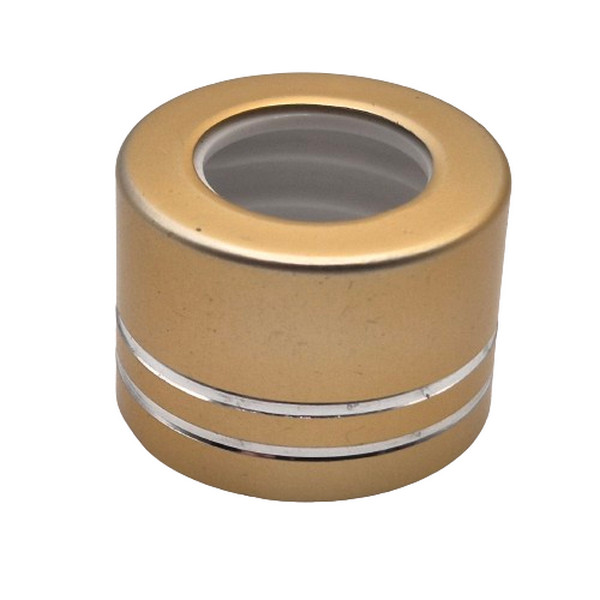
Roll-on sets show why a combined check matters. A set such as the steel ball roll-on plug for DIN18 bottles with a transparent plug and black PP screw cap brings together a stainless steel ball, a transparent plug and a screw cap. The plug holds the ball and seats in the neck, and the cap closes over it.
Before ordering a carton, check:
- That the bottle is a DIN18 finish.
- That the fill is suitable for a ball applicator. Very thin liquids may run more freely than you want.
- That the cap color suits the bottle and label design. The same set is offered with different cap colors, so match it to your artwork early.
- That the cap closes fully and feels consistent across several units, not only one sample.
Meidän GuardSeal plug range lists the other plug types if a roll-on is not the right format for your product.
Step 6: Check pipette and bottle height together
Pipettes are the part most often mismatched to the bottle. If the tip rests on the bottom, it can limit draw-up and make the last portion of product hard to reach. If it is too short, the tube may not reach the liquid as the level drops. Always measure the sealed assembly with the bottle upright rather than comparing two numbers on paper. Our lasipipettimme are available in more than one format, so pick based on the bottle you actually use.
Step 7: Run a small pilot before the full order
A short pilot catches most of what a spec sheet cannot. A reasonable routine:
- Assemble five to ten complete units with the exact parts you plan to order.
- Fill them with the real product, not a stand-in.
- Cap with the torque or pressure your line will use.
- Store some upright and some on their sides for a few days, then inspect for seepage at the neck.
- Dispense from each unit and check that the function is consistent.
- Ship a few units in your normal carton and check them again on arrival.
Record the results with part descriptions, so a reorder months later uses the same combination.
Keep a simple parts record
Once a combination works, document it. A one-page record is enough:
- Bottle description and neck finish
- Every component with its description and color
- Fill product and batch used in the test
- Date of the test and the person who approved it
When any part changes, repeat the pilot. It takes a short time compared with the cost of a recalled batch.
UKK
Are all DIN18 parts interchangeable?
They are designed around the same neck finish, but you should still confirm fit with a sample. Differences in plug design, collar shape and cap style can affect how parts work together.
Can I change only the cap color on an existing assembly?
Usually yes if the cap model stays the same, but check that the new batch seats and seals the same way. If the cap style changes, treat it as a new combination and test it.
Should I test with water or my actual product?
Use your actual product. Viscosity, solvents and fragrance components can change how a plug seals, how a ball rolls and how an elastomer behaves.
Voinko saada näytteitä ennen laatikkotilausta?
Yes. Contact us with your bottle details and intended use, and we can advise on a combination and arrange samples where available.
Ready to compare parts? Selaa kauppaa or contact us for samples and advice on a DIN18 combination that fits your product.