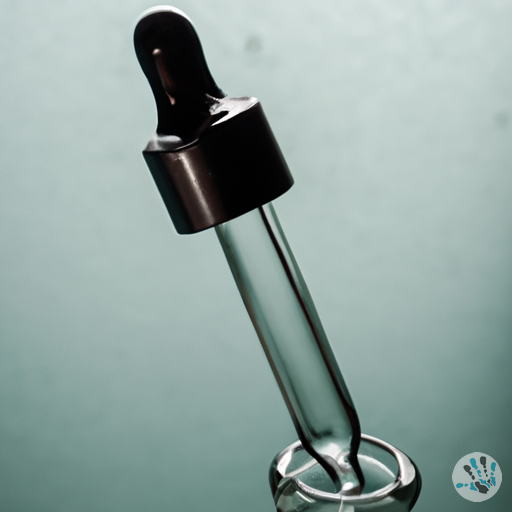
Kontrolni seznam združljivosti delov DIN18 za kapalke in roll-on
Zapiralo s kapalko ali roll-on redko sestavlja le en del. Gre za majhen sistem: vrat steklenice, čep ali zožilnik, pokrovček ali obroček, mešiček, pipeta ali kroglica. Vsak del je lahko sam po sebi popolnoma v redu, a se v kombinaciji vseeno lahko izkaže za neustreznega. Posledica je lahko pokrovček, ki ne sede pravilno, pipeta, ki se dotika dna, ali čep, ki se po transportu zrahlja.
Ta kontrolni seznam je namenjen kupcem, razvijalcem izdelkov in proizvodnim vodjem, ki želijo združljivost najprej preveriti na papirju, nato pa še na vzorcu. Osredotoča se na navoj vratu DIN18, ki je standard, s katerim delamo največ, ter na dele v naši Deli in komponente .
Zakaj prihaja do težav z združljivostjo
Najpogostejši vzroki so preprosti:
- Deli se naročajo pri različnih dobaviteljih, nihče pa jih ne primerja med seboj.
- Navoj vratu se predpostavi namesto da bi se potrdil (na primer “18 mm” se razume kot enako povsod).
- Komponenta se zamenja iz estetskih razlogov, na primer zaradi nove barve pokrovčka, brez ponovnega preverjanja prileganja.
- Izdelek se spremeni (gostejše olje, bolj hlapna mešanica), zapiralo pa ostane enako.
Nobene od teh težav ni težko preprečiti. Potrebujejo le določen vrstni red preverjanj.
1. korak: potrdite navoj vratu
Začnite s steklenico. Navoj vratu zapišite tako, kot je naveden v specifikaciji steklenice, ne pa kot se ga spomnite. Pri steklenicah DIN18 mora biti za vse dele zapiralnega sistema določen isti navoj. Če uporabljate drugačen ali po meri izdelan vrat, to navedite v svojem povpraševanju, saj standardni deli morda ne bodo ustrezali.
Zabeležite tudi, kako naj zapiralo tesni. Nekatera zapiralna tesnijo na robu vratu, nekatera z notranjim čepom, ki se vtisne v odprtino, nekatera pa z obojim. To vpliva na to, katere dele potrebujete in kako medsebojno delujejo.
Kaj zabeležiti
- Oznaka navoja vratu (DIN18 ali drugo)
- Prostornina steklenice in barva stekla
- Višina steklenice, ki je pomembna za dolžino pipete
- Ali je steklenica namenjena za čep, sklop s kapalko ali pršilo
2. korak: najprej izberite funkcijo doziranja
Preden izberete barvo ali površinsko obdelavo, določite, kako izdelek izteka iz steklenice. Funkcija določa seznam delov:
- Doziranje kapljico za kapljico: mešiček, obroček in pipeta.
- Nadzorovano točenje ali zmanjšanje odprtine: notranji čep ali zožilnik ter pokrovček.
- Nanašanje na kožo po površini: roll-on čep s kroglico in pokrovčkom.
- Fino pršenje: pršilni nastavek.
Če se še odločate med oblikami, v našem članku o izbiri čepa DIN18 glede na uporabo najdete to primerjavo. Tukaj predpostavljamo, da je funkcija že izbrana, in se osredotočamo na to, da deli med seboj ustrezajo.
3. korak: preverite vsako komponento glede na sosednje
V spodnji preglednici so navedeni zahteve za ujemanje posameznih delov in napaka, ki jo najpogosteje opažamo.
| Komponenta | Mora se ujemati | Pogosta napaka |
|---|---|---|
| Steklenica | Navoj vratu, višina, prostornina | Predpostavljanje navoja brez preverjanja specifikacije |
| Čep ali zožilnik | Odprtina steklenice in pokrovček, ki na njej sedi | Zamenjava pokrovčka brez ponovnega preizkusa nalega čepa |
| Pokrovček ali obroček | Navoj vratu ter mešiček ali čep pod njim | Naročanje površinske obdelave zgolj zaradi videza |
| Gumica | Odprtina obroča in vrh pipete; združljivost z izdelkom | Prezrtje vpliva izdelka na material |
| Pipeta | Višina steklenice in prileganje mešička | Pipeta je za steklenico predolga ali prekratka |
| Roll-on čep s kroglico | Vrat steklenice in viskoznost polnjenja | Testing with water instead of the real product |
Step 4: Think about the product, not just the parts
Your formulation is part of the system. Oils, alcohol-based blends, essential oils and water-based serums behave differently against plastics and elastomers. Before approving a combination, ask:
- Is the teat material suitable for the liquid you fill? NBR, silicone and TPE respond differently to different liquids, so test with your actual formula.
- Does the product contain strong solvents or fragrance components that may soften or swell plastic parts?
- Is the liquid thin enough to leak around a plug, or thick enough to flow poorly through a roll-on ball seat?
We do not state chemical resistance data unless it is in the product specification, so the practical answer is always to run a compatibility test with your own product and your chosen parts.
Step 5: Roll-on sets, a worked example
Roll-on sets show why a combined check matters. A set such as the steel ball roll-on plug for DIN18 bottles with a transparent plug and black PP screw cap brings together a stainless steel ball, a transparent plug and a screw cap. The plug holds the ball and seats in the neck, and the cap closes over it.
Before ordering a carton, check:
- That the bottle is a DIN18 finish.
- That the fill is suitable for a ball applicator. Very thin liquids may run more freely than you want.
- That the cap color suits the bottle and label design. The same set is offered with different cap colors, so match it to your artwork early.
- That the cap closes fully and feels consistent across several units, not only one sample.
Naše GuardSeal plug range lists the other plug types if a roll-on is not the right format for your product.
Step 6: Check pipette and bottle height together
Pipettes are the part most often mismatched to the bottle. If the tip rests on the bottom, it can limit draw-up and make the last portion of product hard to reach. If it is too short, the tube may not reach the liquid as the level drops. Always measure the sealed assembly with the bottle upright rather than comparing two numbers on paper. Our steklene pipete are available in more than one format, so pick based on the bottle you actually use.
Step 7: Run a small pilot before the full order
A short pilot catches most of what a spec sheet cannot. A reasonable routine:
- Assemble five to ten complete units with the exact parts you plan to order.
- Fill them with the real product, not a stand-in.
- Cap with the torque or pressure your line will use.
- Store some upright and some on their sides for a few days, then inspect for seepage at the neck.
- Dispense from each unit and check that the function is consistent.
- Ship a few units in your normal carton and check them again on arrival.
Record the results with part descriptions, so a reorder months later uses the same combination.
Keep a simple parts record
Once a combination works, document it. A one-page record is enough:
- Bottle description and neck finish
- Every component with its description and color
- Fill product and batch used in the test
- Date of the test and the person who approved it
When any part changes, repeat the pilot. It takes a short time compared with the cost of a recalled batch.
Pogosta vprašanja
Are all DIN18 parts interchangeable?
They are designed around the same neck finish, but you should still confirm fit with a sample. Differences in plug design, collar shape and cap style can affect how parts work together.
Can I change only the cap color on an existing assembly?
Usually yes if the cap model stays the same, but check that the new batch seats and seals the same way. If the cap style changes, treat it as a new combination and test it.
Should I test with water or my actual product?
Use your actual product. Viscosity, solvents and fragrance components can change how a plug seals, how a ball rolls and how an elastomer behaves.
Ali lahko dobim vzorce, preden naročim karton?
Yes. Contact us with your bottle details and intended use, and we can advise on a combination and arrange samples where available.
Ready to compare parts? Brskajte po trgovini or contact us for samples and advice on a DIN18 combination that fits your product.