Lista de Verificação de Compatibilidade de Componentes DIN18 para Conta-Gotas e Roll-Ons
Um fecho de conta-gotas ou roll-on raramente é uma só peça. É um pequeno sistema: pescoço do frasco, rolha ou reductor, tampa ou colar, tetina, pipeta ou esfera. Cada componente pode ser perfeitamente adequado isoladamente e, ainda assim, falhar em conjunto. O resultado é uma tampa que não assenta, uma pipeta que toca no fundo ou uma rolha que se solta após o transporte.
Esta lista de verificação destina-se a compradores, responsáveis pelo desenvolvimento de produtos e gestores de produção que pretendem confirmar a compatibilidade primeiro no papel e depois numa amostra. Centra-se no acabamento de gargalo DIN18, que é a norma com que trabalhamos mais, e nos componentes do nosso Peças & componentes .
Porque ocorrem problemas de compatibilidade
As causas mais comuns são simples:
- Os componentes são encomendados a fornecedores diferentes e ninguém os compara lado a lado.
- O acabamento do gargalo é assumido em vez de confirmado (por exemplo, “18 mm” interpretado como significando a mesma coisa em todo o lado).
- Um componente é substituído por motivos estéticos, como uma nova cor de tampa, sem voltar a verificar o encaixe.
- O produto muda (um óleo mais espesso, uma mistura mais volátil), mas o fecho mantém-se igual.
Nenhuma destas situações é difícil de prevenir. Basta seguir uma ordem fixa de verificações.
Passo 1: Confirmar o acabamento do gargalo
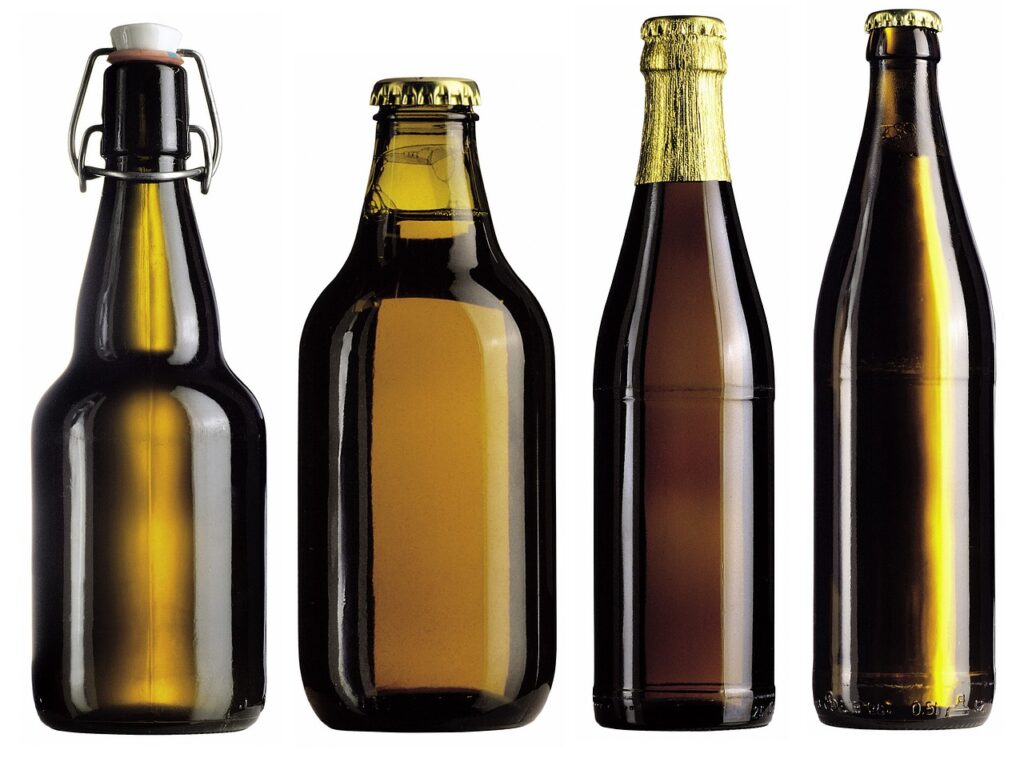
Comece pelo frasco. Registe o acabamento do gargalo tal como indicado na especificação do frasco, e não de memória. Para frascos DIN18, todos os componentes do fecho devem ser especificados para o mesmo acabamento. Se utilizar um gargalo diferente ou personalizado, indique-o no seu pedido, pois os componentes standard podem não encaixar.
Tenha também em conta a forma como o fecho deve vedar. Alguns fechos vedam no rebordo do gargalo, outros através de uma rolha interior que pressiona o orifício, e alguns por ambos. Isto afeta os componentes necessários e a forma como interagem.
O que registar
- Designação do acabamento do gargalo (DIN18 ou outro)
- Volume do frasco e cor do vidro
- Altura do frasco, o que é relevante para o comprimento da pipeta
- Se o frasco se destina a uma rolha, a um conjunto conta-gotas ou a um pulverizador
Passo 2: Escolher primeiro a função de dispensação
Defina a forma como o produto sai do frasco antes de escolher qualquer cor ou acabamento. A função determina a lista de componentes:
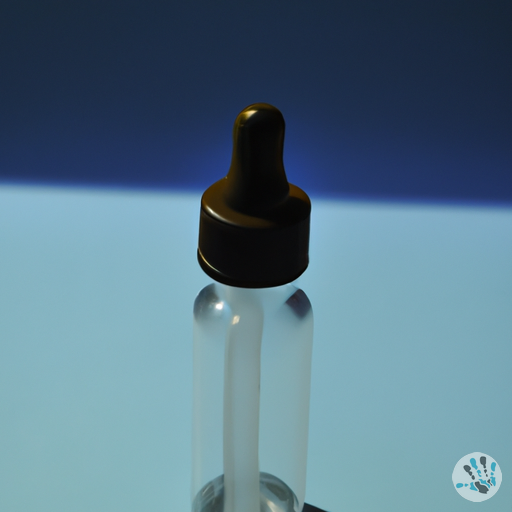
- Dosagem gota a gota: tetina, colar e pipeta.
- Vazamento controlado ou redução do orifício: uma rolha ou reductor interior mais uma tampa.
- Aplicação na pele ao longo de uma superfície: uma rolha roll-on com esfera e tampa.
- Pulverização fina: um sistema de fixação para pulverizador.
Se ainda estiver a decidir entre formatos, o nosso artigo sobre a escolha de uma rolha DIN18 por utilização aborda essa comparação. Aqui partimos do princípio de que a função já está escolhida e concentramo-nos em fazer os componentes coincidir.
Passo 3: Verificar cada componente em relação aos seus vizinhos
A tabela abaixo indica o que cada componente tem de corresponder e o erro que mais frequentemente observamos.
| Componente | Deve corresponder a | Erro comum |
|---|---|---|
| Frasco | Acabamento do gargalo, altura, volume | Assumir o acabamento sem verificar a especificação |
| Rolha ou reductor | Orifício do frasco e a tampa que o cobre | Trocar a tampa sem voltar a testar o assento da rolha |
| Tampa ou colar | Rosca do gargalo e a tetina ou rolha por baixo | Encomendar um acabamento apenas por questões estéticas |
| Tetina | Abertura do colar e topo da pipeta; compatibilidade com o produto | Ignorar a forma como o produto afeta o material |
| Pipeta | Altura do frasco e encaixe da tetina | Pipeta demasiado longa ou demasiado curta para o frasco |
| Esfera da rolha roll-on | Gargalo do frasco e viscosidade do enchimento | Testing with water instead of the real product |
Step 4: Think about the product, not just the parts
Your formulation is part of the system. Oils, alcohol-based blends, essential oils and water-based serums behave differently against plastics and elastomers. Before approving a combination, ask:
- Is the teat material suitable for the liquid you fill? NBR, silicone and TPE respond differently to different liquids, so test with your actual formula.
- Does the product contain strong solvents or fragrance components that may soften or swell plastic parts?
- Is the liquid thin enough to leak around a plug, or thick enough to flow poorly through a roll-on ball seat?
We do not state chemical resistance data unless it is in the product specification, so the practical answer is always to run a compatibility test with your own product and your chosen parts.
Step 5: Roll-on sets, a worked example
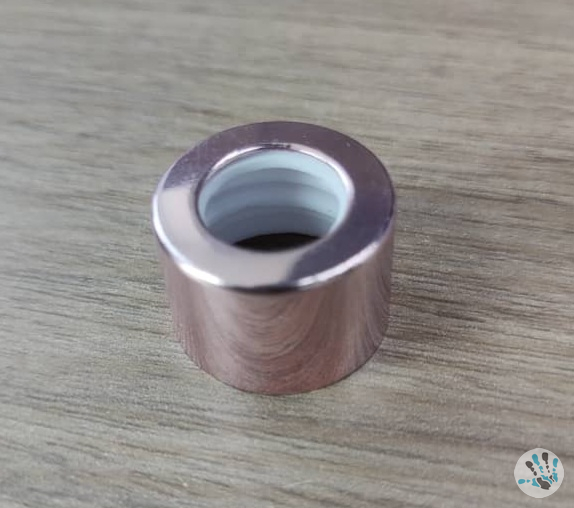
Roll-on sets show why a combined check matters. A set such as the steel ball roll-on plug for DIN18 bottles with a transparent plug and black PP screw cap brings together a stainless steel ball, a transparent plug and a screw cap. The plug holds the ball and seats in the neck, and the cap closes over it.
Before ordering a carton, check:
- That the bottle is a DIN18 finish.
- That the fill is suitable for a ball applicator. Very thin liquids may run more freely than you want.
- That the cap color suits the bottle and label design. The same set is offered with different cap colors, so match it to your artwork early.
- That the cap closes fully and feels consistent across several units, not only one sample.
As nossas GuardSeal plug range lists the other plug types if a roll-on is not the right format for your product.
Step 6: Check pipette and bottle height together
Pipettes are the part most often mismatched to the bottle. If the tip rests on the bottom, it can limit draw-up and make the last portion of product hard to reach. If it is too short, the tube may not reach the liquid as the level drops. Always measure the sealed assembly with the bottle upright rather than comparing two numbers on paper. Our pipetas de vidro are available in more than one format, so pick based on the bottle you actually use.
Step 7: Run a small pilot before the full order
A short pilot catches most of what a spec sheet cannot. A reasonable routine:
- Assemble five to ten complete units with the exact parts you plan to order.
- Fill them with the real product, not a stand-in.
- Cap with the torque or pressure your line will use.
- Store some upright and some on their sides for a few days, then inspect for seepage at the neck.
- Dispense from each unit and check that the function is consistent.
- Ship a few units in your normal carton and check them again on arrival.
Record the results with part descriptions, so a reorder months later uses the same combination.
Keep a simple parts record
Once a combination works, document it. A one-page record is enough:
- Bottle description and neck finish
- Every component with its description and color
- Fill product and batch used in the test
- Date of the test and the person who approved it
When any part changes, repeat the pilot. It takes a short time compared with the cost of a recalled batch.
Perguntas frequentes
Are all DIN18 parts interchangeable?
They are designed around the same neck finish, but you should still confirm fit with a sample. Differences in plug design, collar shape and cap style can affect how parts work together.
Can I change only the cap color on an existing assembly?
Usually yes if the cap model stays the same, but check that the new batch seats and seals the same way. If the cap style changes, treat it as a new combination and test it.
Should I test with water or my actual product?
Use your actual product. Viscosity, solvents and fragrance components can change how a plug seals, how a ball rolls and how an elastomer behaves.
Posso obter amostras antes de encomendar uma caixa?
Yes. Contact us with your bottle details and intended use, and we can advise on a combination and arrange samples where available.
Ready to compare parts? Explorar a loja or contact us for samples and advice on a DIN18 combination that fits your product.